pin cherry Care (Prunus pensylvanica)

Also known as: fire cherry, bird cherry
pin cherry

About pin cherry

Pin cherry, Prunus pensylvanica, is a fast-growing deciduous tree native to North American forests, often found in clearings and areas recovering from fire or logging. It typically forms a slender, upright crown with smooth reddish bark and narrow, finely toothed leaves.

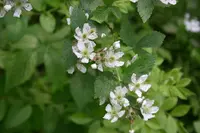
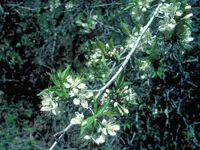
In spring it produces clusters of small white flowers, followed by bright red cherries that feed birds and wildlife. The fruit is tart and usually too sour to eat fresh but can be used in preserves.

This species is relatively short-lived and spreads readily in disturbed sites, so it is better suited to naturalistic or restoration plantings than small gardens. It prefers full sun, well-drained soil, and moderate moisture, and understanding these needs helps gardeners care for pin cherry successfully.

Main Plant Requirements

Care Difficulty

Moderate Care

Light Preference

Full Sun

Water Requirements

Moderate Water

Temperature Preference

Cold Hardy

Hardiness Zone

2–6

Soil Texture

Sandy, Loamy, Rocky

Soil pH

Acidic (5.5–6.5), Slightly acidic (6.5–7.0)

Soil Drainage

Well-drained

Fertilization

Minimal (feed rarely)

Get Personalized Care Plan

Scan your plant to receive care tips personalized for your specific plant

Available on iOS and Android

How to Care for the pin cherry

This small deciduous tree performs best with strong outdoor light and open exposure.

  • Provide full sun for 6–8 hours daily; pin cherry forms denser crowns and better flowering with unobstructed light.
  • Tolerates light partial shade, especially with morning sun and light afternoon shade, but dense shade leads to sparse foliage and fewer fruits.
  • Avoid deep shade from buildings or large trees; in such sites, watch for leggy, stretched growth and consider selective pruning around the canopy to improve light penetration.

This species prefers evenly moist, well-drained soil rather than constant saturation.

  • During establishment, water when the top 5–8 cm of soil feels dry, then apply a slow, deep soak so moisture reaches the root zone.
  • In spring and early summer, monitor closely during dry spells; in late fall and winter, reduce watering except during extended drought on unfrozen ground.
  • Signs of excess moisture include yellowing leaves, soft new growth, and fungal issues, while crisp leaf edges and premature leaf drop suggest insufficient moisture around Prunus pensylvanica.

This hardy tree is adapted to cool to cold climates with pronounced seasonal changes.

  • Active growth is strongest around 60–75°F (16–24°C), which typically occurs in spring and early summer in temperate climates.
  • Mature trees tolerate winter lows to about -40°F (-40°C), but young plants need protection from drying winter winds and heaving frozen soil.
  • Heat tolerance is moderate; extended periods above 90°F (32°C) with dry soil can stress foliage, so maintain soil moisture and mulch during hot spells.

Humidity is not a critical factor for Prunus pensylvanica, which adapts well to typical outdoor air levels in its range.

Prunus pensylvanica prefers loose, well-drained mineral soil and does not tolerate prolonged waterlogging.

  • Use a sandy or loamy soil with moderate organic matter to keep the profile loose and friable.
  • Aim for slightly acidic to neutral pH, roughly 5.5–7.0, avoiding strongly alkaline sites that limit nutrient uptake.
  • In heavy clay, incorporate coarse sand and compost to improve drainage and root aeration before planting.
  • Avoid compacted areas or spots where water stands after rain, which promote root decline and fungal problems.

This species is generally unsuited to long-term container growing, working only as a short-term nursery tree before planting out.

  • Choose a deep, heavy container to counteract the fast upright growth and reduce the risk of tipping in strong wind.
  • Use a sharply draining mix so excess irrigation water exits quickly, preventing fine feeder roots from sitting in saturation.
  • Position the container where sun and wind exposure are stable, since small volumes of substrate dry much faster than in-ground soil.

This fast-growing native tree usually needs minimal feeding, but light fertilization can support establishment and vigor when growing pin cherry in poor soils.

  • Use a balanced slow-release fertilizer (e.g., 10-10-10) or a thin layer of compost in early spring for young or nutrient-deficient trees.
  • Apply once per year during the growing season; avoid repeated applications on trees already growing strongly.
  • Reduce or skip feeding in fall and winter when growth slows or stops to avoid soft, frost-prone growth.
  • If using liquid fertilizer, apply at half the label-recommended strength to limit salt buildup and root burn.

Thoughtful pruning keeps Prunus pensylvanica safe, shapely, and structurally sound.

  • Carry out main pruning in late winter to very early spring before bud break, using clean, sharp bypass pruners or a pruning saw.
  • Remove dead, diseased, or storm-damaged branches first, cutting back to healthy wood or the branch collar.
  • Thin crowded, rubbing, or weak interior branches to improve light penetration and air flow through the canopy.
  • Limit shaping cuts to small diameter branches to maintain natural form and support flowering on younger wood.

Pin cherry is usually grown in the ground, so transplanting young trees correctly is more important than container repotting.

  • Transplant in early spring or fall when the tree is dormant, choosing a sunny site with well-drained soil.
  • Look for circling roots in nursery containers; tease them outward gently to prevent long-term girdling.
  • Dig a hole 2–3× wider than the root ball, set the tree at the same depth, then backfill and water thoroughly to settle soil.
  • Mulch 5–8 cm around, but not touching, the trunk and keep soil evenly moist for the first 1–2 growing seasons to reduce transplant shock.

Prunus pensylvanica is most often propagated from seed, with some use of suckers or hardwood cuttings in specialized settings.

  • Collect ripe fruit in late summer, clean the seeds, and provide cold stratification at 34–41°F for about 3–4 months to break dormancy.
  • Sow stratified seeds in a well-drained, sandy mix, keep lightly moist, and provide bright light for uniform germination.
  • For suckers, lift young shoots with attached roots in early spring and replant immediately at the same depth.
  • Hardwood cuttings taken in late fall to winter root best with a rooting hormone and bottom warmth, kept in high humidity.

This species is naturally cold hardy across much of North America and usually needs little special winter care in the ground.

  • Young trees benefit from 5–8 cm of mulch over the root zone to moderate freeze–thaw cycles and retain soil moisture.
  • In very windy or exposed sites, use a breathable trunk wrap on small stems to limit sunscald and rodent damage.
  • Container-grown specimens in cold climates should be moved into an unheated garage or sheltered area to prevent root freezing.

Care Tips

Manage Root Suckers

Remove root suckers promptly with clean, sharp pruners at or just below soil level to prevent dense thickets and maintain a single, structurally sound trunk for easier long-term management.

Support Young Trunks

Stake young trees in windy or exposed sites using 2–3 stakes and soft, flexible ties for the first 1–2 years, then remove all support once the trunk can stand straight on its own to avoid girdling and weak wood.

Promote Wildlife Value

Leave some mature fruit on the tree or on the ground in late summer to support birds and small mammals, which also helps with natural seed dispersal and regeneration when growing pin cherry in larger landscapes.

Monitor For Black Knot

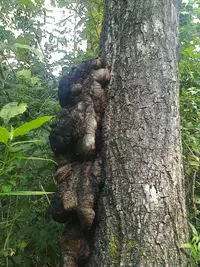
Inspect branches every winter for hard, black, swollen galls and prune them at least 15–20 cm below the infection point, then destroy the removed wood to slow the spread of black knot disease.

Use Nurse Shrubs

Plant fast-growing shrubs or grasses on the windward side in open sites to act as nurse plants, which reduce wind stress and sunscald on young trees during their establishment period.

Common Pests and Diseases

Black knot

This disease causes dark, swollen, corky galls on twigs and branches that gradually enlarge and can girdle stems. Symptoms include rough black knots that deform the crown and reduce vigor.

Solution

Prune out infected twigs and branches at least 15–20 cm below visible knots during dry weather, and destroy the prunings away from the tree. Maintain good spacing and air movement, and avoid leaving nearby wild cherry or plum hosts unmanaged to reduce inoculum in the area.

Cherry leaf spot

This disease produces small purple to reddish spots on leaves that turn brown, often leading to premature leaf drop in mid to late summer. Repeated defoliation weakens the tree over time.

Solution

Rake and destroy fallen leaves in autumn to reduce overwintering spores, and keep the tree well spaced from other Prunus to improve airflow. In high-pressure areas, follow local extension guidance for timing of protective fungicide sprays from petal fall through early summer if trees are being managed as valued ornamentals or seed sources.

Eastern tent caterpillar

This pest creates webbed silken tents in branch crotches and defoliates leaves near the nest. These insects can strip foliage in spring and stress young trees, though mature trees usually recover.

Solution

Hand-remove and destroy tents in early morning or evening when caterpillars are inside, cutting them out with pruned twigs and discarding in sealed bags or soapy water. For larger outbreaks on valued trees, consider targeted Bacillus thuringiensis (Bt) sprays applied to young foliage in early spring according to label directions.

Cherry aphids

This pest clusters on young shoots and leaf undersides, sucking sap and causing curled, distorted leaves and sticky honeydew that can attract sooty mold. Colonies can stunt new growth, especially on seedlings and saplings.

Solution

Dislodge aphids with a strong stream of water from a hose on small trees and encourage natural predators such as lady beetles by avoiding broad-spectrum insecticides nearby. On high-value landscape specimens, horticultural oil or insecticidal soap can be applied thoroughly to infested shoots, repeating as needed while monitoring for beneficial insects.

Cytospora canker

This disease causes sunken, discolored areas on branches and stems, often with amber resin exuding from the bark and progressive dieback beyond the canker. Stress from drought, injury, or other diseases increases susceptibility.

Solution

Prune out and destroy infected branches, cutting back into healthy wood and sterilizing tools between cuts, and avoid wounding the trunk or major limbs. Improve overall tree vigor through adequate watering during dry periods and by reducing competition from turf or dense groundcover, which supports more resilient Prunus pensylvanica care over time.

Interesting Facts

Fire-following pioneer

This species is one of the first woody plants to colonize burned or logged forests in eastern North America, quickly stabilizing soil and providing shade for later-successional trees.

Short-lived forest tree

Unlike many hardwoods, it has a relatively brief natural lifespan, often declining after only a few decades as more shade-tolerant species overtop and replace it.

Key wildlife food source

Its small red cherries ripen in mid to late summer and are an important seasonal food for birds, black bears, and small mammals, which also help disperse its seeds over long distances.

Botan icon

Did you know?

Pin cherry forms a long-lived soil seed bank, with buried seeds that can remain dormant for many years and then germinate in large numbers after a fire or major disturbance, creating dense, even-aged stands almost overnight in ecological terms.

FAQs about pin cherry

The small red fruits are edible when fully ripe but are very sour and astringent. They are usually cooked with sugar into jellies, jams, or sauces rather than eaten fresh. Seeds and wilted leaves should not be consumed.

Grow Healthy Plants with Botan Care

Keep your plants happy and healthy with plant identification, disease detection, and easy care guidance.


Botan plant care app — identify plants on mobile

Explore More Plants