black nightshade Care (Solanum nigrum)

Also known as: Common Nightshade, Garden Nightshade, Petty Morel, Hounds Berry, European black nightshade, Woody Nightshade, Black-Berry Nightshade, Branched calalu, Common Garde berry, Duscle, Night-Shade, Prairie Huckleberry, Sobosobo, Sobosobo Weed, Stubbelberry, Stubbleberry
black nightshade

About black nightshade

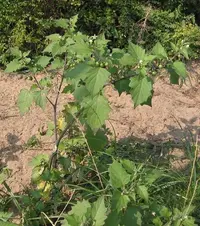
Black nightshade (Solanum nigrum) is a short-lived herbaceous plant that often grows as an annual in gardens, fields, and disturbed ground. It typically forms small, branching bushes with oval leaves, white star-shaped flowers, and clusters of green berries that turn shiny black when mature.

The species occurs widely across Europe, Asia, Africa, and many temperate to warm regions worldwide, often behaving like a weed. It grows easily in nutrient-rich, moist but well-drained soil and tolerates both sun and light shade, which makes it adaptable but sometimes invasive. For anyone who wants to learn how to care for black nightshade, controlled conditions and careful site selection are important due to its spread and toxicity concerns.

Main Plant Requirements

Care Difficulty

Easy Care

Light Preference

Full Sun

Water Requirements

Moderate Water

Temperature Preference

Warm Climate

Hardiness Zone

5–9

Soil Texture

Sandy, Loamy, Clay

Soil pH

Acidic (5.5–6.5), Slightly acidic (6.5–7.0)

Soil Drainage

Well-drained

Fertilization

Minimal (feed rarely)

Get Personalized Care Plan

Scan your plant to receive care tips personalized for your specific plant

Available on iOS and Android

How to Care for the black nightshade

This species prefers bright outdoor conditions with some protection from intense midday sun.

  • Provide 4–6 hours of direct morning sun plus bright shade or dappled light in the afternoon for steady growth of black nightshade.
  • Tolerates light to medium partial shade (as little as 2–3 hours direct sun) but flowering and fruiting decrease as shade increases.
  • In hot summers, avoid harsh afternoon sun that can scorch leaves; in short-day seasons, choose the sunniest available site to compensate for low light angles.

This plant prefers consistently moist but not waterlogged soil throughout the growing season.

  • Water when the top 2–3 cm of soil feels dry, allowing moisture to reach the root zone without saturating the ground.
  • Use well-drained soil so excess water can escape; pale, swollen foliage or persistent puddling suggests overwatering, while limp, browning leaf edges suggest underwatering.
  • Reduce watering frequency in cool or rainy periods and increase during hot, dry spells, always adjusting based on soil feel rather than a fixed calendar.

This species grows best in mild to warm conditions without frost exposure.

  • Aim for 65–80°F (18–27°C) for active growth; plants tend to slow above 86°F (30°C) and below 55°F (13°C).
  • Protect from temperatures below 40°F (4°C), as light frost can damage foliage and hard frost often kills Solanum nigrum to the ground.
  • In hot climates, brief spikes to 90–95°F (32–35°C) are tolerated if soil moisture is maintained and plants receive some afternoon shade in midsummer.

This species grows reliably in typical outdoor humidity and seldom needs special moisture control.

  • Target 40–60% humidity; the plant tolerates brief drops lower in dry, hot weather.
  • Leaves curling, drooping at midday, or developing dry edges indicate low humidity stress combined with heat.
  • In very dry, exposed sites, group black nightshade with other plants, use organic mulch, or provide occasional overhead misting in early morning.

Solanum nigrum prefers loose, moist, well‑drained mineral soil with moderate organic matter.

  • Use a loamy or sandy‑loam soil structure that crumbles easily in the hand, avoiding heavy clay or compacted beds.
  • Incorporate 20–40% compost plus coarse sand or fine grit to improve both fertility and drainage around the roots.
  • Aim for slightly acidic to neutral pH, about 6.0–7.0, and avoid strongly alkaline or saline conditions that restrict nutrient uptake.
  • If soil tends to stay wet, create raised rows or beds to enhance aeration and prevent root and stem rot at the crown.

This species is suitable for container growing when the pot supports its branching root system and moisture needs.

  • Choose a pot at least 25–30 cm deep so roots can anchor well and the plant is less likely to lodge in strong wind.
  • Select a slightly heavier container material, such as thick plastic or clay, to stabilize the plant as stems branch and fruit develop.
  • Ensure large, unobstructed drainage holes and keep the pot on feet or a stand so excess water escapes quickly after rain or watering.

Solanum nigrum grows reliably in average soil and needs only modest fertilization under cultivation.

  • Use a balanced, diluted liquid fertilizer (for example 10-10-10 at 1/2 strength) every 4–6 weeks during active growth in spring–summer.
  • In poorer soils, incorporate a light top-dressing of well-rotted compost once at the start of the growing season.
  • Avoid high-nitrogen products that push soft, leafy growth at the expense of flowers and fruit.
  • Stop feeding in late summer–fall so plants can complete their life cycle naturally without lush, frost-tender growth.

Pruning Solanum nigrum is mostly light and functional, aimed at keeping plants healthy and compact.

  • Best time for structural pruning is early to mid-spring, once new growth is visible but still short.
  • Use clean, sharp scissors or hand pruners to remove dead, diseased, or storm-damaged stems at their base.
  • Thin crowded interior shoots to improve light and air movement, which can reduce foliar disease.
  • Tip back overly long stems above a leaf node to encourage bushier growth and more flowering sites.

This species is usually grown as an annual in beds, so transplanting young Solanum nigrum seedlings correctly matters more than repotting.

  • Transplant when seedlings have 2–3 true leaves and roots lightly fill the cell or small pot, not yet circling.
  • Choose late spring after frost risk, into loose, well-drained soil, spacing plants so mature canopies do not overlap heavily.
  • Water seedlings well before moving, handle them by the leaves or root ball, and disturb roots as little as possible.
  • After transplanting, water thoroughly, shade for 2–3 days if sun is intense, and keep soil evenly moist to limit transplant shock.

Solanum nigrum is most commonly propagated from seed, which germinates well under warm, moist conditions.

  • Sow fresh or stored seed in late winter–spring, 6–8 weeks before last frost, using a sterile seed-starting mix.
  • Maintain 70–75°F soil temperature and consistent moisture until germination, which usually occurs within 1–3 weeks.
  • Lightly cover seeds, as they prefer a thin soil layer and good light exposure for even sprouting.
  • Stem cuttings taken in warm weather can also root in moist, free-draining media under high humidity and bright, indirect light.

In most climates Solanum nigrum behaves as a frost-tender annual, so winter care focuses on season-end management rather than long-term protection.

  • Light frosts usually kill top growth; in cold regions plants are replanted from seed each year rather than overwintered outdoors.
  • In mild, frost-free areas, a thin mulch layer can help older root systems persist through cooler months.
  • Container plants in cool-summer regions can be moved under cover before hard frost, kept just above freezing with minimal watering.

Care Tips

Early staking support

Install a slim stake or short mesh support when plants are 10–15 cm tall to keep stems upright, improve airflow, and make fruit inspection and harvest easier later in the season.

Targeted berry thinning

Remove damaged, misshapen, or overcrowded green berries early so the plant can direct more resources into fewer, healthier clusters that ripen more evenly.

Strategic succession sowing

Sow small batches every 3–4 weeks in warm weather to maintain a continuous stand of vigorous plants and reduce the impact of any single pest or disease outbreak when growing black nightshade.

Understory weed control

Maintain a 10–15 cm weed-free zone around each plant using shallow hand cultivation or a light organic mulch layer to lower competition for nutrients and reduce hiding places for slugs and soil-borne pests.

Routine pest scouting

Inspect leaf undersides and young shoots at least weekly for flea beetles, aphids, and early leaf spots, and remove affected leaves or treat localized infestations promptly before they spread across the planting.

Common Pests and Diseases

Flea beetles

These insects chew many small round holes in leaves, giving them a shot‑holed or lace‑like appearance and can stunt young plants.

Solution

Use floating row covers to protect seedlings, remove nearby brassica and nightshade weeds that host the beetles, and apply a fine kaolin clay film or neem-based spray to foliage in the evening if damage is heavy.

Leafminers

These insects create winding, pale tunnels inside leaves, which can reduce photosynthesis and weaken plants when infestations are high.

Solution

Pinch off and discard mined leaves as soon as tunnels appear, avoid excessive nitrogen fertilization that encourages soft growth, and use lightweight row covers early in the season to exclude adult flies from laying eggs.

Early blight

This disease causes brown leaf spots with concentric rings and often a yellow halo, starting on older leaves and moving upward in warm, humid conditions.

Solution

Remove and dispose of affected leaves, avoid overhead watering, improve spacing and airflow, and rotate plantings away from other Solanum crops for at least 2–3 years to reduce spore carryover.

Septoria leaf spot

This disease produces many small, round, gray to tan spots with dark margins on lower leaves, which may yellow and drop prematurely.

Solution

Promptly remove spotted leaves, water at soil level, mulch to reduce soil splash, and use crop rotation and thorough autumn cleanup of plant debris to lower the amount of overwintering inoculum.

Aphids

These insects cluster on tender shoots and leaf undersides, sucking sap, distorting new growth, and sometimes transmitting viral diseases.

Solution

Dislodge colonies with a firm stream of water, encourage natural predators such as lady beetles, and if needed apply insecticidal soap or horticultural oil, making sure to cover leaf undersides and repeating every 5–7 days until populations decline.

Interesting Facts

Native range mosaic

This species has an original range across Europe, North Africa, and parts of Asia, but has now naturalized on every continent except Antarctica, often colonizing disturbed soils such as field margins, construction sites, and urban lots.

Variable berry toxicity

The ripe black berries of this species have lower levels of toxic glycoalkaloids than the unripe green berries and leaves, and in some regions certain local forms are traditionally eaten only after specific processing, reflecting long-term cultural selection and knowledge of Solanum nigrum care.

Nightshade glycoalkaloids

Solanum nigrum synthesizes glycoalkaloids such as solanine and solasonine, defensive compounds that help protect the plant from herbivores but can cause poisoning in humans and livestock when plant parts are eaten in sufficient quantity.

Botan icon

Did you know?

Genetic and morphological studies have shown that what was once treated as a single, simple species is actually part of a complex of closely related black nightshade taxa, and true Solanum nigrum in the strict sense can be hard to distinguish from its relatives without detailed botanical examination.

FAQs about black nightshade

All parts contain toxic alkaloids, especially unripe green berries and leaves. Severity depends on dose and individual sensitivity. Symptoms may include vomiting, diarrhea, salivation, weakness, or confusion. Children, pets, and livestock should not ingest any part.

Grow Healthy Plants with Botan Care

Keep your plants happy and healthy with plant identification, disease detection, and easy care guidance.

Botan plant care app — identify plants on mobile

Explore More Plants