
black nightshade Identification (Solanum nigrum)

To recognize black nightshade, look for an upright to spreading herb with alternate, oval to triangular leaves and small white, star-shaped flowers with five reflexed petals.

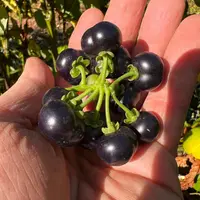
Its flowers hang in short clusters from the leaf axils, followed by round black berries about 1/4 inch (6 mm) wide.

Solanum nigrum Identification

Check Your Plant with Botan

Upload a plant photo and check the identification in seconds.

Clear images work best. Avoid photos taken too close or too far away

Check black nightshade for a small, branching herb with simple leaves, starry flowers, and dark berries.

  • Plants are usually upright to spreading, often about 1-3 feet (30-90 cm) tall, with smooth green stems.
  • Leaves are alternate, oval to egg-shaped, with pointed tips and slightly wavy or shallowly toothed edges.
  • Flowers hang in small clusters from the leaf axils; each flower is white, star-shaped, and has 5 petals.
  • Berries are round, about 1/4-3/8 inch (6-10 mm) across, and ripen to dull black.

Look for flowers and berries on the same branching plant to confirm the overall pattern.

Solanum nigrum shows clear visual shifts from seedling growth to berry-bearing maturity.

  • Seedling: Seedlings show two narrow seed leaves, then small ovate true leaves with shallow teeth; stems are slender and green, with little branching.
  • Young plant: The plant becomes upright and more branched, carrying alternate ovate leaves on longer petioles; overall height often reaches 8-20 inches (20-50 cm).
  • Flowering stage: Short stalked clusters appear from the leaf axils, each bearing small white star-shaped flowers with yellow centers that hang or face outward.
  • Fruiting stage: After flowering, round berries replace the flowers in the same clusters, changing from green to dull black and making the fruiting plant easier to recognize.

From late spring through fall, black nightshade is easiest to recognize when small white star-shaped flowers and then hanging clusters of round berries become visible. The berries ripen from green to dull black, so flowering and fruiting plants often show both at once. After frost, plants usually yellow, collapse, and disappear rather than leaving a woody framework. That seasonal dieback can help separate it from more persistent, shrubby look-alikes.

A few nightshades are regularly mistaken for black nightshade.

eastern black nightshade(Solanum emulans)

Very similar overall, with small white star-shaped flowers and black berries. A fast check is the fruit clusters: Solanum emulans usually has berries in umbel-like groups from one point, while Solanum nigrum more often has them spaced along a short axis.

hairy nightshade(Solanum physalifolium)

Confusing because it also has ovate leaves, white flowers, and dark berries. It differs by its obvious soft hair on stems and leaves, while Solanum nigrum is usually much less hairy or nearly smooth.

Solanum nigrum is widely regarded as native across much of Eurasia, including Europe, North Africa, and temperate parts of Asia, though its exact original range has long been debated. For identification, habitat is useful. It commonly appears in disturbed ground, field margins, gardens, roadsides, waste places, and riverbanks rather than intact forest or dry desert sites. Finding it as a common weed of cultivation helps narrow the ID.

  • Toxic parts: Solanum nigrum can be toxic to humans and pets if eaten. Risk is tied to ingestion of the berries, leaves, and other plant parts, especially when unripe.
  • Misidentification risk: Its black berries can be confused with other nightshades. A safety-critical one is bittersweet nightshade, which has red berries; Solanum nigrum has black berries in small clusters.

Does Your Plant Match?

Use Botan to compare a photo and help confirm the plant, so you can avoid mix-ups with similar species.

FAQ

The clearest feature is the small white, star-shaped flowers with a bright yellow cone of anthers, followed by hanging clusters of round berries that ripen black. This combination is central to black nightshade identification.

More Plant Identification Guides

Find Out What Plant It Is

Identify it from a photo with Botan, then get plant details, care information, and common problems for that species.

Botan app identifying a plant from a photo
Can Plants Grow With Artificial Light?

6 min read · 15 Sept 2026

Can Plants Grow With Artificial Light?

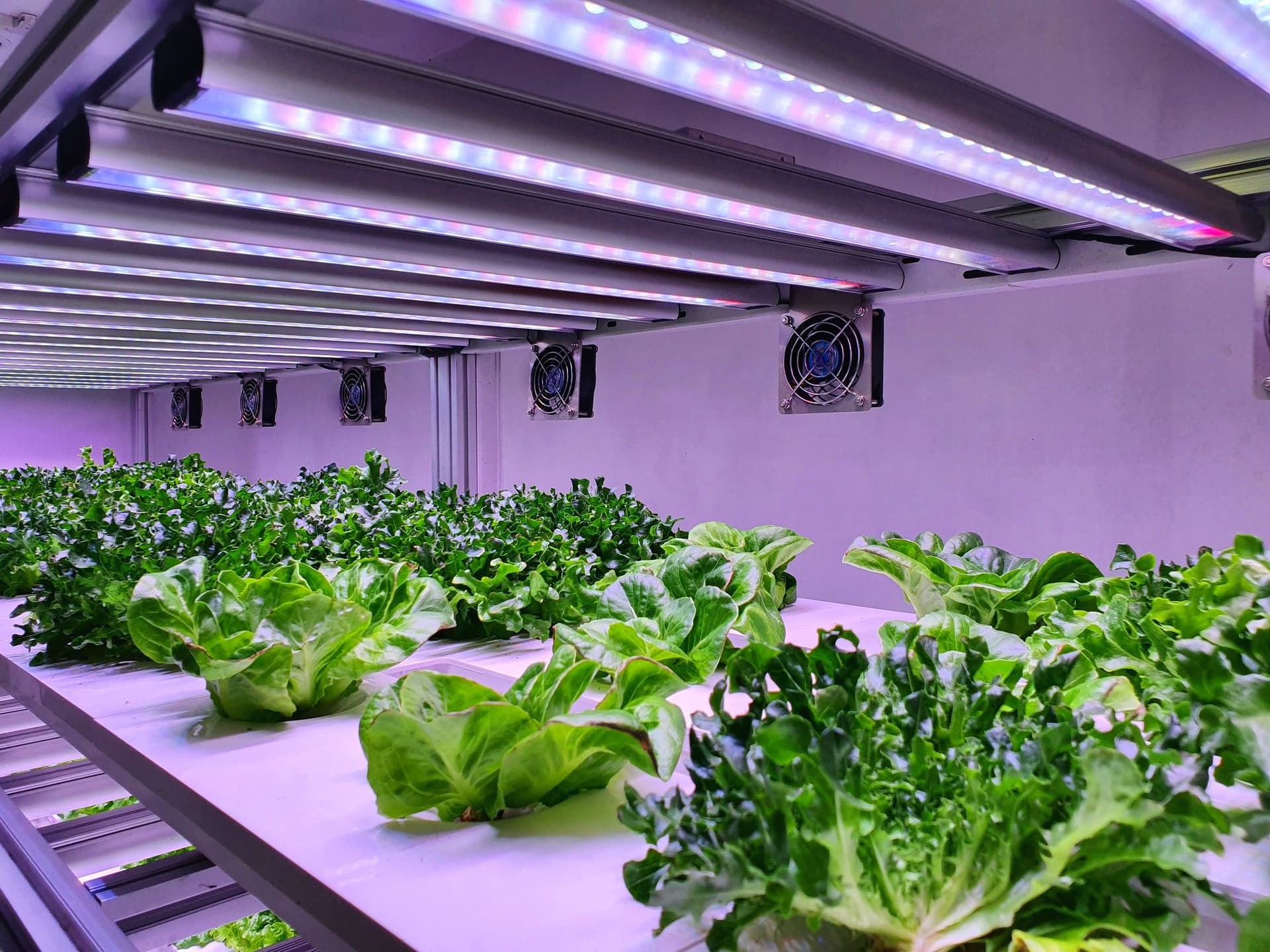
Plants can grow under artificial light when the setup provides a suitable spectrum, enough intensity, and sufficient daily exposure. This guide explains how artificial lighting compares with sunlight, which options work indoors, and how to match a setup to houseplants.

Plant Care
Can Plants Grow With Artificial Light?
Top 15 Fast-Growing Trees For Your Garden

13 min read · 28 Jul 2026

Top 15 Fast-Growing Trees For Your Garden

Learn which of the 15 fastest-growing trees will suit your area. We’ll share detailed information on each: growth rate, mature spread, key tree demands, and main vulnerabilities. Read on and make the best choice possible.

Plant Recommendations
Top 15 Fast-Growing Trees For Your Garden
What Plants Don't Like Epsom Salt?

11 min read · 29 Jul 2026

What Plants Don't Like Epsom Salt?

Learn which plants can be seriously damaged by Epsom salt and which will thrive on it. We’ll explain when and how to use it properly, provide tips for indoor & outdoor plants — read on and enjoy a healthy garden.

Plant Care
What Plants Don't Like Epsom Salt?