What Plants Don't Like Epsom Salt?
Learn which plants can be seriously damaged by Epsom salt and which will thrive on it. We’ll explain when and how to use it properly, provide tips for indoor & outdoor plants — read on and enjoy a healthy garden.

On this page
- Plants That Should Never Be Treated with Epsom Salt
- Carnivorous Plants
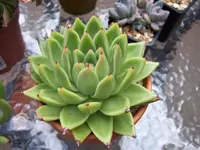
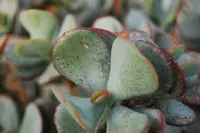
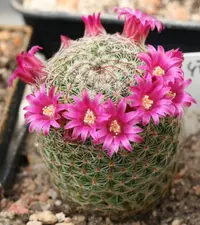
- Succulents and Cacti
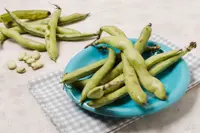
- Beans and Peas
- Mediterranean Herbs
- Tropical and Sensitive Houseplants
- Heather (Ericaceae) Plants
- Plants that Don’t Like Extra Magnesium: Final Comparison
- Which Plants Actually Like Epsom Salt?
- Magnesium-Hungry Vegetables
- Heavy-Blooming Roses & Ornamentals
- Palm Trees
- Citrus Trees
- Plants that Love Epsom Salt: Key Facts
- How to Use Epsom Salt For Indoor Plants?
- How to Use Epsom Salt in the Garden?
- Is Epsom Salt Good for Plants?
Epsom salt provides extra magnesium and sulfur, which might be great for heavy feeders like tomatoes or peppers. But it can also harm plants that don’t need that nutrient boost, such as succulents, beans, or some herbs.
We’ll explain what plants don't like Epsom salt, what species love it, and why. Read on to avoid common fertilization mistakes and make your home garden thrive.
Plants That Should Never Be Treated with Epsom Salt
The role of Epsom salt in plants is simple: it boosts photosynthesis, chlorophyll production, and protein synthesis. However, those positive effects turn negative with the wrong species or when there’s no actual magnesium deficiency.
If you apply it to species that are intolerant of the extra nutrients, it can burn the root system and cause leaf scorch, yellowing, browning, and poor overall plant health.
That intolerance is not random. It’s common for groups of plants that evolved a certain way and require certain pH levels to thrive. Also, it might occur in species that are just too sensitive to excess magnesium.
These include:
- Carnivorous plants: Venus flytrap, purple pitcher plant, cape sundew, and others.
- Succulents & cacti: echeveria, agave, barrel cactus, aloe vera, haworthia, and others.
- Beans & Peas: green bean, garden pea, broad bean, soybean, and others.
- Mediterranean herbs: sage, rosemary, thyme, lavender, oregano, and others.
- Some tropical & sensitive houseplants: fiddle leaf fig, monstera, philodendron, alocasia.
- Heather (Ericaceae) and other acid-loving plants: rhododendron, blueberry, heather, and others.
To some extent, all these groups just need poorer soil with a specific pH. Some of them can tolerate small amounts of Epsom salt when magnesium deficiency is real, but that’s rarely the case. Also, each category has its special features and demands, so let’s discuss them in more detail.

Carnivorous Plants
Carnivorous species, such as the Venus flytrap, evolved in mineral-poor but highly moist soil. They learned to extract nitrogen and other macro- and micronutrients from insects. Even mineral-rich tap water can seriously damage them. Magnesium sulfate doesn’t fertilize them — it’s toxic and even deadly for their root system.
Succulents and Cacti
Succulents like echeveria, agave, and others have learned to store water effectively and extract minerals from nutrient-poor soil to survive in the least favorable environments. That’s why adding Epsom salt in excess blocks the absorption of calcium and leads to excessive salt accumulation and nutrient imbalance. Moreover, it can just burn the roots and damage the plant from within.
Beans and Peas
These unique species harbor Rhizobium bacteria in their roots that fix atmospheric nitrogen, allowing them to meet their nitrogen needs without external help. When you add Epsom salt, you disrupt this process, reduce nitrogen-fixing capacity, disrupt soil chemistry, and indirectly increase soil pH, which can damage plants.
Mediterranean Herbs
Rosemary, sage, and other plants also evolved in poor, rocky, alkaline, or at least neutral soils. That’s why they are often called light feeders. Magnesium and sulfur literally cause no positive effects on them. By contrast, when applied, Epsom salt promotes foliage growth but reduces aromatic oil production. So, flavor and scent are lost.
Tropical and Sensitive Houseplants
Unlike other categories from our list, these plants might seem “hungry” for nutrients. However, aroids like alocasia or anthurium, sensitive indoor species, and especially container plants are very vulnerable to excess magnesium.
It can accumulate in the root zone, causing leaf scorch, slowing growth, and causing the plant to wilt and lose its foliage. But there are species that react positively to it, and we’ll explain what plants like Epsom salts below.
Heather (Ericaceae) Plants
Members of this family prefer acidic and infertile soils. Species like rhododendron don’t directly react negatively to magnesium, but using it is justified only when its deficiency is confirmed and severe.
Otherwise, magnesium will compete with other nutrients and disrupt the soil chemistry. That, in turn, will harm the plant’s overall health and growth, and cause symptoms like leaf discoloration.

Plants that Don’t Like Extra Magnesium: Final Comparison
Let’s sum it up and see why exactly one or another category may not like Epsom Salt:
Plant Category | Why They Dislike Epsom Salt | Key Consequence | Recommended Soil pH |
Carnivorous Plants | Evolved in mineral-poor soil | Root damage, plant death | 4.5-6.0 |
Succulents & Cacti | Prefer nutrient-poor soil | Root burn, overall decline | 6.0-7.0 |
Beans & Peas | Fix nitrogen by themselves via bacteria | Stunted growth | 6.0-7.0 |
Mediterranean Herbs | Light feeders | Scent & flavor loss | 6.5-8.0 |
Tropical Houseplants | Sensitive to excess nutrients | Leaf scorch, wilting, loss of foliage | 5.5-7.0 |
Acid-Loving Plants | Need acidic and infertile soil | Leaf discoloration, stunted growth | Below 6.0 |
Epsom salt is lethal for carnivorous plants, but the rest will signal you about overfertilization. Notice the symptoms, stop feeding, and the plant can recover if the damage isn’t severe.
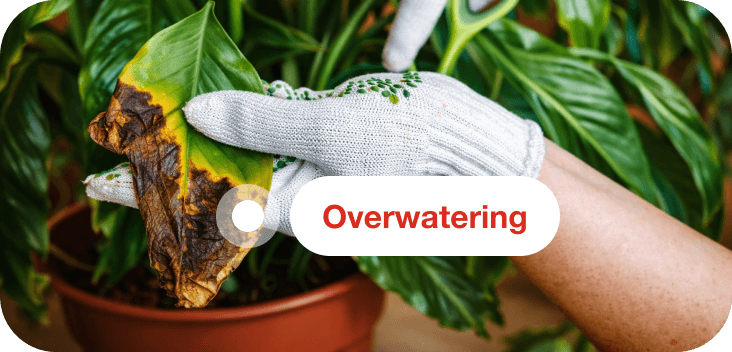
Identify Your Plant’s Problem
Scan with Botan for an instant diagnosis — 98%+ accuracy
Which Plants Actually Like Epsom Salt?
Another important question is which plants like Epsom salts — after all, nutrient deficiencies are real, and so are the species that may need that magnesium and sulfur boost.
There are studies that confirm it for tomatoes, peppers, and roses, but that’s definitely not a complete list. So, here are the types of plants that might need Epsom salt when the magnesium deficiency is confirmed:
- High-demand vegetables: tomatoes, peppers, eggplants.
- Heavy-blooming roses and ornamentals: hybrid tea rose, floribunda rose, camellia.
- Palm trees: royal palm, queen palm, date palm, and others.
- Citrus trees: lemon, sweet orange, lime, and others.
Note that other groups, such as vine crops (cucumbers, squash, watermelon, etc.), brassicas (cabbage, broccoli, kale, and Brussels sprouts), potatoes, and pretty much all houseplants that aren’t succulents, carnivorous, or acid-loving species, can benefit from Epsom salt. But it works only if there’s a real deficiency.
Still, let’s take a closer look at the categories that need magnesium sulfate supplements more often than the others.

Magnesium-Hungry Vegetables
Tomatoes, peppers, and eggplants are heavily fruiting crops. That means they take a lot of energy and nutrients, including magnesium, from the soil, which often causes deficiencies. That’s especially relevant to plants grown in containers or raised beds.
Note that even for these crops, using Epsom salt is justified only if you know the soil doesn’t contain enough nutrients. Pay attention to the symptoms. You may notice chlorosis — specifically yellowing between the veins that affects older leaves, smaller fruits, and leaf curling.
Epsom salt can be used as a preventative measure, too. Just don’t overuse it so as not to cause blossom-end rot.
Heavy-Blooming Roses & Ornamentals
Roses and ornamental flowering plants go through a continuous cycle. They form buds, flower, and then repeat blooming. Of course, that also requires a lot of energy — pretty much like fruit formation in vegetables.
Magnesium is “responsible” for photosynthesis and producing green pigment. Without it, they don't produce enough chlorophyll to convert sunlight into energy. That causes specific symptoms: yellowing between the leaf veins, smaller flowers, and weakened stems.
Diluted Epsom salt fixes that, and the best thing is that roses and other flowering ornamentals can absorb it quickly.
Palm Trees
Palms, from California fan palm to pygmy date palm, typically grow in sandier soils, which naturally lack magnesium. Therefore, they need supplements to support their foliage and overall growth. Magnesium is essential for chlorophyll production and photosynthesis, which is why healthy plants have such bright green foliage.
If the plant has a magnesium deficiency, you’ll notice broad yellow bands on the older leaves, as it tries to support new growth.
Citrus Trees
Citrus trees are also heavy feeders that are vulnerable to magnesium deficiencies. Moreover, they are often planted in acidic sandy soils, similar to palms. However, one thing is different.
You will hardly notice any symptoms in the spring flush. But as the plant matures, leaves also start to yellow and often drop readily, while twigs become weak and fruits become smaller.

Plants that Love Epsom Salt: Key Facts
Let’s summarize the key facts about the categories:
Plant Category | Key Deficiency Symptom | When to Apply | Application Frequency |
Heavy-Fruiting Vegetables | Chlorosis on older leaves | Transplanting, first flowering, fruit set | Every 2-6 weeks depending on the period |
Roses & Ornamentals | Chlorosis on older leaves | New growth appearance, blooming | Monthly |
Palm Trees | Yellow bands along older frond margins | Active growth | Every 4-6 weeks |
Citrus Trees | Chlorosis on older leaves | Spring flush, fruit development | 3 times a year |
Vegetables most often need extra magnesium, but again, all plants signal the deficiency. Just spot the symptoms and act accordingly.

How to Use Epsom Salt For Indoor Plants?
Let’s say you notice geranium leaves turning yellow. One possible reason is magnesium deficiency; if so, fertilization can help, and the method will be similar for all indoor plants.
But if you’re going to use Epsom salt for indoor plants, follow these simple yet important recommendations:
- Identify the symptoms correctly. If you notice yellowing between the veins on the older leaves, it’s likely a magnesium deficiency. If younger leaves are yellowing, the cause is different.
- Choose between the methods. Soil drenching is a standard one. Foliar spray is for faster results and for epiphytes (orchids, bromeliads, air plants, and some ferns). Top-dressing is for established large pots only.
- If you choose drenching: fully dissolve 1 tablespoon of Epsom salt per gallon of water, water normally every 1-1.5 months (frequency for this and other methods depends on the plant).
- If you choose spraying: fully dissolve 1 tablespoon of Epsom salt per gallon of water, mist the front and back of every leaf in the morning, every 2-4 weeks.
- If you choose top dressing: sprinkle 1 tablespoon of Epsom salt at the base, then gently scratch it into the top layer of the soil, then water at the base.
Note that these are general recommendations. You need to adjust the plan for your specific plant. You can do it with a single tap on the plant identifier app. Just use the Plant ID or Disease ID tools if you already see symptoms of the deficiency and want a diagnosis.
Once the identification is complete, you’ll see a full plant care guide with fertilization recommendations and set your reminders. If you use the Disease ID feature, you’ll also see estimated recovery time and additional treatment instructions.
How to Use Epsom Salt in the Garden?
For outdoor plants, the algorithm is slightly different:
- Do a soil test to identify pH. Then check the required level for your specific plant. If it’s below pH 6.0, magnesium deficiency might be the case, but again, there are species that love acid.
- Always check what’s recommended for your plant. That works for houseplants too, but it’s even more important for vegetables and fruits.
- Consider the current situation. For example, if the pH is low 2-6 weeks before planting, using Epsom salt might absolutely make sense. You can use 1 cup per 100 sq ft and then water the soil. But again, ensure it won’t hurt your specific crop or plant.
- React to the plant, not the calendar. Monitor plants during the season to spot symptoms of deficiency or overfertilization and adjust your schedule accordingly.
- Adjust method depending on the need. Spraying might work in urgent situations, when symptoms of the deficiency are visible. Drenching works as a prevention measure.
Again, these are general principles. Every crop, every plant has its individual demands — check them on Botan or do your individual research to ensure you’re not going to use the fertilizer at the wrong time.
Is Epsom Salt Good for Plants?
So, will Epsom salt kill plants? Not necessarily. It can provide multiple benefits by enhancing photosynthesis, nutrient transport, and protein synthesis when applied correctly.
However, if the plant doesn’t need it because it already has just the right amount of the nutrient in the soil, it can create a nutrient (specifically calcium) lockout, cause root damage, and harm overall health.
Consider the species that don’t like Epsom salt, and avoid using it unless there’s a severe deficiency, which is rare. For plants that may need extra magnesium sulfate, check the pH first and apply it only if it's genuinely necessary.
FAQ
When applied to the right plant at the right time, it improves foliage health by enhancing photosynthesis, chlorophyll production, and protein synthesis. If the plant doesn’t need extra nutrients, it may block calcium absorption, cause root damage, burns, and worsen its overall health.
Dariia Plaksina
Botanist
5 years of botanical research experience
Dariia Plaksina is a biologist, botanist, and writer of informational articles with over 5 years of experience exploring the world of plants, nature, and biology. She studied at Taras Shevchenko National University of Kyiv, Educational and Scientific Center “Institute of Biology and Medicine,” where she built a strong scientific foundation for her future work.
For Dariia, writing is a hobby, a calling, and a way to make reliable knowledge easier to understand. Her articles focus on plant care, plant health, and natural processes, helping readers learn more about the living world through clear, accessible, and science-based explanations.
Related Articles
6 min read · 15 Sept 2026
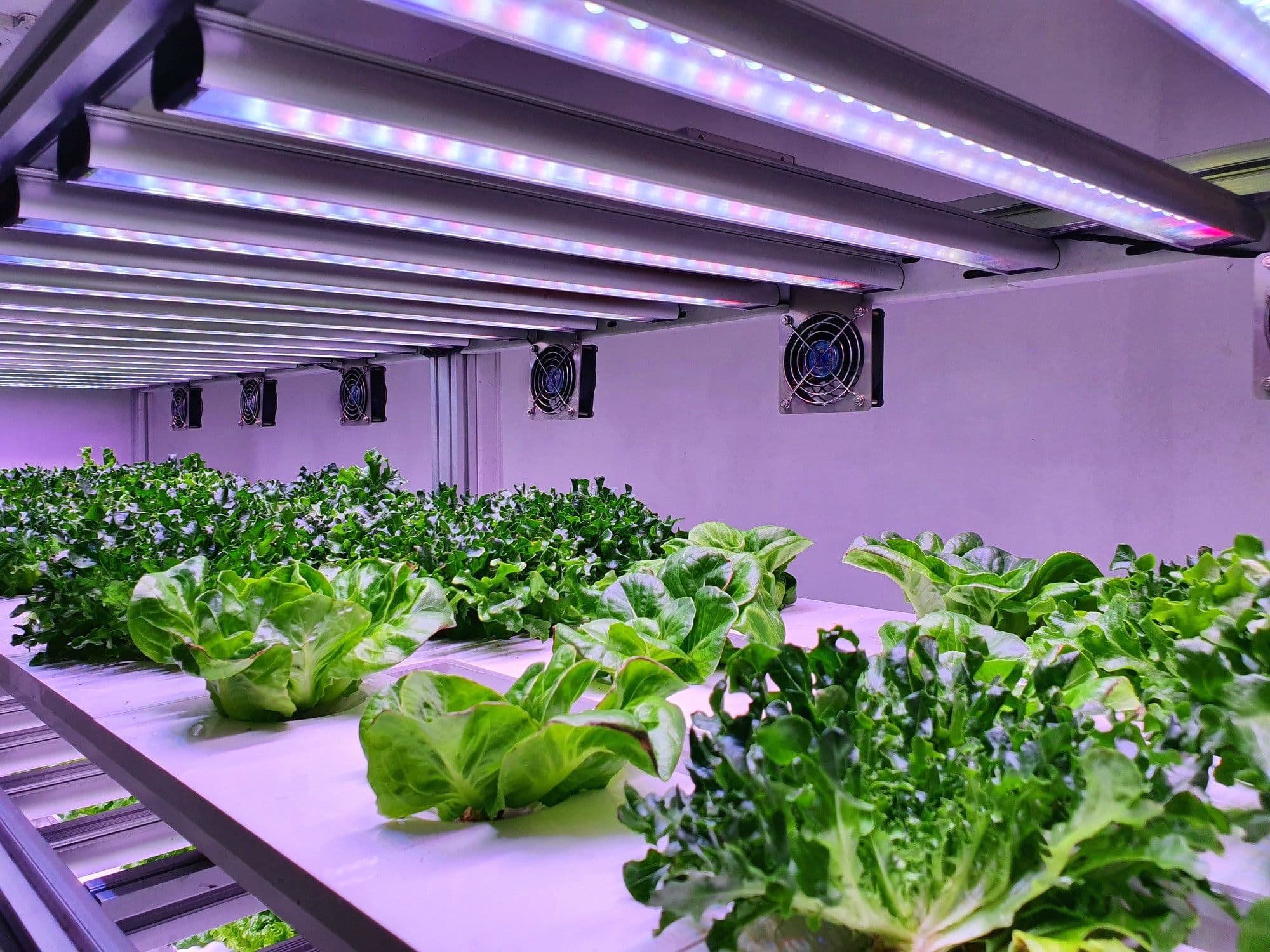
Can Plants Grow With Artificial Light?
Plants can grow under artificial light when the setup provides a suitable spectrum, enough intensity, and sufficient daily exposure. This guide explains how artificial lighting compares with sunlight, which options work indoors, and how to match a setup to houseplants.
4 min read · 14 Sept 2026
Is Sugar Water Good for Plants?
Sugar water may sound like an easy boost, but most rooted plants do not need extra sucrose. This guide explains how green tissues produce carbohydrates, when a sweetened solution can be useful, and why too much can cause problems.
6 min read · 1 Sept 2026
How To Revive a Dying Plant: 6 Steps To Bring A Plant Back To Life
Drooping leaves and brown tips don't always mean the end, and a weakened plant can often recover with a little help. These six simple steps will help you revive a dying plant and restore its health.
Explore Plants by Care Needs
Identify the plant and problem. Help your plant recover
Identify plant problems early, understand what's wrong, and get clear care guidance. Botan helps you turn guesswork into confident plant care