Broad Bean Care (Vicia faba)

Also known as: horsebean, fava bean

About Broad Bean

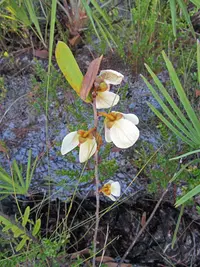
Broad bean, Vicia faba, is a cool-season annual legume grown mainly for its large edible seeds and nitrogen-fixing roots. It forms upright, sturdy stems with broad leaves and white flowers marked with dark patches. Plants are native to the Old World and are now cultivated in many temperate regions for vegetable gardens and small-scale farming. They are generally straightforward to grow in cool weather, which makes them accessible to beginners. Understanding how to care for Broad Bean involves providing full sun, consistent moisture, and well-drained, moderately fertile soil without extreme heat or prolonged drought.

Main Plant Requirements

Care Difficulty

Moderate Care

Light Preference

Full Sun

Water Requirements

Regular Water

Temperature Preference

Cool Climate

Hardiness Zone

3–11

Soil Texture

Sandy, Loamy, Clay

Soil pH

Slightly acidic (6.5–7.0), Neutral (7.0)

Soil Drainage

Moist but well-drained

Fertilization

Minimal (feed rarely)

Get Personalized Care Plan

Scan your plant to receive care tips personalized for your specific plant

Available on iOS and Android

How to Care for the Broad Bean

Vicia faba prefers cool, bright conditions with plenty of direct sun in most climates.

  • Provide 6–8 hours of direct sun daily; morning sun with light afternoon shade reduces heat stress in warm regions.
  • Plants tolerate light partial shade (3–4 hours sun) but flowering and pod set are better with longer sun exposure.
  • In late spring and early summer, protect from intense late-afternoon sun using row cover or nearby taller crops to limit leaf scorch.

Vicia faba needs consistently moist, well-drained soil, especially during flowering and pod formation.

  • Water when the top 3–5 cm of soil feels dry; soil should be evenly damp but never saturated or muddy.
  • Use soil rich in organic matter that drains freely; yellowing lower leaves and soft stems often indicate overwatering and poor drainage.
  • In cool spring weather, reduce frequency to avoid waterlogging; in warm, windy periods, check moisture daily to prevent wilting and flower drop.

This cool-season legume grows best in mild temperatures and struggles with both hard frost and strong heat.

  • Optimal growth occurs around 50–70°F (10–21°C), with seeds usually germinating well once soil is above 40°F (4–5°C).
  • Plants tolerate brief dips to about 25–28°F (-4 to -2°C), but repeated hard frosts can damage flowers and young pods.
  • Prolonged heat above 80°F (27°C) reduces flowering and pod set, so in warm climates sow early to finish before summer heat arrives.

Humidity is not a critical factor for Vicia faba, which adapts well to typical outdoor levels.

Vicia faba performs best in deep, loose, fertile soil that holds moisture yet drains efficiently.

  • Use a loamy structure with plenty of organic matter, such as composted manure or garden compost, mixed into the top 20–30 cm.
  • Aim for slightly acidic to neutral pH around 6.5–7.5, avoiding strongly acidic or alkaline conditions that restrict nutrient availability.
  • Ensure drainage by avoiding heavy, compacted clay; improve such soils with coarse sand and additional organic matter for better aeration.
  • Do not use high-peat, very sandy, or waterlogged mixes, as roots need consistent moisture without standing water.

This species can be grown in containers if the pots are large and stable enough for its tall, top-heavy growth.

  • Choose a container at least 30–40 cm deep to allow the taproot to develop without severe restriction.
  • Select a heavy pot material, such as thick terracotta or ceramic, to reduce tipping from wind and top growth.
  • Position the container where it can be braced or grouped with other pots, providing extra stability as stems reach full height.

Vicia faba benefits from modest feeding to support strong vegetative growth and pod production.

  • Use a balanced NPK fertilizer or mature compost in early growth, before flowering begins.
  • Apply a light feeding every 3–4 weeks during the main growing season if soil is poor, skipping doses in rich ground.
  • Dilute liquid feeds to 1/2 strength to avoid excess nitrogen that can reduce flowering and pod set.
  • Stop feeding Broad Bean plants in late season or winter, when growth slows or plants are finishing their crop.

Pruning Vicia faba is simple and mainly supports plant stability and pod yield.

  • Pinch out the soft growing tips once the lowest trusses have set pods to reduce black aphid attraction and direct energy to pods.
  • During mid to late season, remove dead, yellowing, or storm-damaged stems and leaves with clean scissors or hand pruners.
  • Thin severely crowded stems to improve airflow, which lowers the risk of fungal problems and helps pods dry evenly.
  • After harvest, cut plants at soil level and leave roots in the ground to retain nitrogen-fixing nodules and improve soil structure.

Broad bean is usually grown outdoors and is transplanted rather than repotted long term.

  • Start seeds in small modules or biodegradable pots; transplant when seedlings have 2–3 true leaves and roots just hold the soil together.
  • Move plants on a cool, overcast day in early spring, spacing them 15–25 cm apart in rows for stable growth.
  • Water seedlings well before and after transplanting to reduce root stress and help soil settle around the root zone.
  • Avoid disturbing the taproot; slide plants out gently and plant at the same depth to prevent check in growth and flowering.

Multiplying Vicia faba is most practical from seed rather than vegetative methods.

  • Sow fresh seeds in late winter to early spring outdoors, or 2–3 weeks earlier under cover for a head start.
  • Provide cool conditions around 40–60°F; broad beans germinate well in cool soil compared with most warm-season crops.
  • Plant seeds 3–5 cm deep in well-drained soil and keep evenly moist, not waterlogged, until seedlings emerge.
  • For succession cropping, repeat sowing every 2–3 weeks within the suitable season to stagger flowering and harvest times.

Vicia faba is relatively cold tolerant but young plants and overwintering crops benefit from simple winter care.

  • Hardy types tolerate light to moderate frosts, but prolonged freezes below about 20°F can damage flowers and tender shoots.
  • In cold regions, sow in late summer or fall and apply a 5–8 cm mulch around the base to insulate the root zone.
  • Use fleece, row cover, or cloches during severe cold snaps to shield foliage and stems from freezing wind and ice.
  • Container-grown plants are more exposed; move pots against a sheltered wall or into an unheated greenhouse to moderate temperature swings.

Care Tips

Sturdy Row Support

Install 60–90 cm tall stakes or mesh along each row before flowering so plants can be loosely tied as they grow, which reduces lodging and pod loss in wind or heavy rain.


Timely Pinching

Pinch out the top 5–8 cm of each plant once the first pods have set to encourage the plant to direct energy into seed filling and to reduce aphid attraction to soft shoot tips.

Aphid Monitoring Strip

Plant a short strip of early-sown sacrificial beans or nasturtiums at the bed edge to attract and concentrate aphids there, then remove or treat this strip first to slow spread into the main crop.

Controlled Succession Sowing

Sow small blocks every 2–3 weeks within the suitable season so pod maturity is staggered, which keeps harvest quality high and avoids a single overwhelming flush of pods.

Efficient Harvest Handling

Pick pods in the cool part of the day and move them quickly to shade or refrigeration, since rapid cooling after harvest preserves flavor and texture when growing Broad Bean for kitchen use.

Common Pests and Diseases

Black bean aphid

This pest forms dense black colonies on young shoots, buds, and undersides of leaves, sucking sap and causing curling, distortion, and sticky honeydew deposits.

Solution

Pinch or hose off heavily infested shoot tips, encourage natural predators such as lady beetles, and use insecticidal soap or a dilute horticultural oil spray, ensuring thorough coverage of shoot tips and leaf undersides early in the infestation.

Chocolate spot

This disease causes reddish-brown spots on leaves, stems, and pods that can enlarge, merge, and lead to blighting of whole sections in cool, humid conditions.

Solution

Remove and destroy infected leaves and plant debris, space plants for better airflow, avoid overhead watering, and, in areas with a history of the disease, use a preventive fungicide labeled for broad beans at early flowering if conditions stay cool and damp.

Downy mildew

This disease produces pale yellow patches on upper leaf surfaces with a gray to purplish downy growth underneath, often leading to leaf distortion and drop.

Solution

Improve airflow with wider spacing, avoid wetting foliage, promptly remove badly affected leaves, and consider using a suitable fungicide early when cool, moist weather is forecast and symptoms first appear as part of Vicia faba care in problem-prone areas.

Bean weevil

These insects notch the leaf margins and their larvae feed on roots and nodules, which can weaken plants and reduce nitrogen fixation.

Solution

Inspect leaves for characteristic notches, hand-pick adults where practical, encourage ground beetles and other predators, and use floating row covers on young plants to exclude adults in areas with a known history of infestation.

Broad bean rust

This disease shows as small orange-brown pustules on both sides of leaves that later turn dark, often causing premature yellowing and drop in warm, humid weather.

Solution

Remove and dispose of infected leaves, avoid overhead irrigation, space rows to increase air movement, and if rust recurs annually, use a rust-active fungicide early in the season when first pustules appear, rotating products to reduce resistance risk.

Interesting Facts

Nitrogen-fixing powerhouse

This species forms root nodules with Rhizobium bacteria that convert atmospheric nitrogen into forms the plant can use, improving soil fertility for subsequent crops.

Exceptionally high protein

Its seeds are unusually rich in protein compared with most other temperate pulses, which is why broad beans have long been used as a staple plant protein in many traditional diets.

Favism-linked compounds

The seeds and young leaves contain naturally occurring compounds such as vicine and convicine, which can trigger hemolytic anemia, called favism, in people with glucose-6-phosphate dehydrogenase (G6PD) deficiency.

Botan icon

Did you know?

Broad beans were a major food crop in the Mediterranean and Near East thousands of years before the introduction of common beans (Phaseolus species) from the Americas, and archaeological evidence shows charred seeds of this species in Neolithic sites.

FAQs about Broad Bean

Yellowing leaves usually come from nitrogen deficiency, waterlogged soil, or root stress. Check drainage, avoid overwatering, and use a balanced fertilizer. Older leaves yellowing after pod set is normal as the plant reallocates nutrients.

Grow Healthy Plants with Botan Care

Keep your plants happy and healthy with plant identification, disease detection, and easy care guidance.


Botan plant care app — identify plants on mobile

Explore More Plants