black cumin Care (Nigella sativa)

Also known as: black caraway, black onion seed, Nigella, Common fennel flower
black cumin

About black cumin

Black cumin, Nigella sativa, is an annual herb grown for its aromatic seeds and delicate ornamental value. It belongs to the buttercup family, Ranunculaceae.

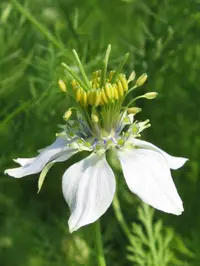
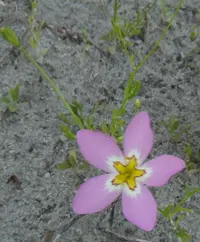
The plant forms a light, branching mound with fine, threadlike leaves and pale blue to white, star-shaped flowers that develop into inflated seed capsules.

Nigella sativa is native to parts of southwestern Asia and the Mediterranean, where it grows in sunny, open, well-drained sites with relatively dry conditions.

It is generally considered easy to grow from seed if given full sun, moderate moisture, and loose soil, so learning how to care for black cumin is straightforward for most gardeners.

Main Plant Requirements

Care Difficulty

Easy Care

Light Preference

Full Sun

Water Requirements

Moderate Water

Temperature Preference

Cool Climate

Hardiness Zone

2–11

Soil Texture

Sandy, Loamy, Organic-rich

Soil pH

Acidic (5.5–6.5), Slightly acidic (6.5–7.0)

Soil Drainage

Well-drained

Fertilization

Minimal (feed rarely)

Get Personalized Care Plan

Scan your plant to receive care tips personalized for your specific plant

Available on iOS and Android

How to Care for the black cumin

Nigella sativa grows best in full sun with some tolerance for light shade.

  • Provide 6–8 hours of direct sun daily; open, unshaded beds are ideal for strong flowering and seed production.
  • Accepts light afternoon shade, especially in hotter regions, but dense shade leads to lanky stems and fewer blooms.
  • In very hot summers, protect from harsh sun after 3 p.m. using taller companion plants; monitor for leaf scorch or wilting during heatwaves.

Nigella sativa prefers steady soil moisture without staying saturated.

  • Water when the top 3–5 cm of soil feels dry, applying enough to moisten the root zone but not leave puddles.
  • Use well-drained, loose soil; standing water or heavy clay promotes root rot and yellowing foliage.
  • In cool spring, watering needs are modest; in hot, dry spells, watch for drooping leaves and dry, crumbly soil as cues to water more often.

This annual herb prefers cool to mild conditions and dislikes extreme heat or freezing.

  • Optimal growth occurs around 55–70°F (13–21°C), especially during early development and flowering.
  • Seeds germinate well near 50–65°F (10–18°C); mature plants tolerate brief dips close to 32°F (0°C) but hard frost can kill them.
  • In hot climates above 80–85°F (27–29°C), flowering shortens and plants may decline, so favor early spring or fall sowing to avoid peak heat.

Nigella sativa grows best in relatively dry to moderately humid air and does not need special humidity control.

  • Target 30–50% relative humidity, similar to average indoor or outdoor conditions in many homes and gardens.
  • The plant tolerates dry air well; persistent leaf tip browning or curled, papery foliage usually signals combined drought and heat stress rather than humidity alone.
  • If air is extremely dry and hot, reduce stress by shading during peak sun, watering the soil consistently, and using a light mulch instead of misting, which offers little benefit for black cumin.

Nigella sativa prefers light, well-drained mineral soils rather than heavy, compacted substrates.

  • Use a sandy or sandy-loam mix with some organic matter, such as 2 parts garden soil, 1 part coarse sand, and 1 part compost for structure and nutrients.
  • Ensure very sharp drainage; water must pass through quickly without puddling, which reduces the risk of root rot and damping-off in seedlings.
  • Aim for slightly acidic to neutral pH around 6.0–7.5, since strongly acidic or alkaline soils can limit nutrient availability and weaken growth.
  • Improve aeration by incorporating coarse sand or fine grit, and avoid high-clay soils or dense peat-heavy mixes that stay wet and restrict root oxygen.

This species is suitable for container growing if the pot and substrate are chosen to prevent waterlogging and overheating.

  • Select a container at least 20–25 cm deep so the taproot can extend downward without curling tightly at the base.
  • Choose unglazed terracotta or other porous materials in wet climates to help excess moisture evaporate and stabilize root conditions.
  • Elevate the pot on feet or bricks so drainage holes stay clear and runoff leaves the container quickly after irrigation or rain.

This annual herb needs only light feeding to support flowering and seed production.

  • Use a balanced liquid fertilizer (for example 10-10-10) at 1/2 strength on well-established plants in active growth.
  • Apply every 3–4 weeks during spring–summer if soil is poor; rich garden beds often need no extra input.
  • In containers, mix in a small amount of slow-release fertilizer or compost at planting to support growing black cumin.
  • Stop feeding in late summer as flowering declines, and do not fertilize during winter or after plants have set and dried seed.

Nigella sativa needs only minimal, light pruning to stay tidy and productive.

  • In spring and early summer, remove any dead, diseased, or storm-damaged stems with clean scissors or hand pruners.
  • Deadhead fading flowers if ornamental display is the priority, which can slightly extend blooming.
  • Leave some seed pods on selected plants if seed harvest or self-sowing is desired, rather than cutting all spent blooms.
  • Avoid heavy cutting back, as this shallow-rooted annual does not respond with strong regrowth like many perennials.

This annual is best direct-sown, but careful transplanting is possible when handled gently.

  • Transplant seedlings outdoors in spring once frost risk is past and plants have 2–3 true leaves.
  • Move only young plants, as older Nigella sativa develops a delicate taproot that dislikes disturbance.
  • Use biodegradable pots or soil blocks so roots are not disturbed; plant them intact into the garden soil.
  • Water well after transplanting, then keep soil consistently moist for 7–10 days to reduce transplant shock.

Nigella sativa is almost always propagated from seed rather than vegetative methods.

  • Sow seeds in early–mid spring, directly in the garden or in small pots, after the last hard frost risk.
  • Provide full sun and light, well-drained soil; cover seeds very lightly, about 3–5 mm deep.
  • Keep the surface evenly moist until germination, which typically occurs in 10–20 days at 60–70°F.
  • Thin seedlings to reduce crowding, leaving 15–20 cm between plants for healthy growth and flowering.

This cool-season annual completes its life cycle in 1 year and normally needs no special winter care.

  • In cold climates, allow seed pods to dry and drop if natural reseeding is desired for the following spring.
  • For very wet winters, improve drainage or use raised beds so remaining roots and seed do not sit in waterlogged soil.
  • Container plants can be discarded after seed harvest; start with fresh seed next growing season rather than trying to overwinter.

Care Tips

Staggered Succession Sowing

Sow small batches every 2–3 weeks within the suitable season so pods mature at different times, giving a longer harvest window and reducing the risk of losing the whole crop to a single weather event.

Targeted Pod Harvesting

Cut seed pods once they turn light brown but before they split, then finish drying them in paper bags indoors to reduce seed loss and prevent mold during wet spells.

Wind-Smart Bed Placement

Place rows parallel to prevailing winds or along a low, airy barrier so the delicate stems flex rather than snap, which helps maintain upright growth and clean seed pods.

Minimal Support Netting

In exposed or very fertile sites, run soft pea netting or twine at 15–20 cm and 30–40 cm heights along the row to keep plants from lodging while still allowing easy access for harvesting.

Dry-Clean Seed Processing

After drying, rub pods gently by hand over a fine sieve to separate seeds, then winnow in a light breeze or in front of a fan to remove chaff, which keeps harvested seed clean and suitable for both sowing and culinary use when growing black cumin.

Common Pests and Diseases

Downy mildew

This disease causes pale yellow angular spots on upper leaf surfaces and a grey to violet downy growth on the undersides, especially in cool, humid weather. Symptoms include stunted plants and premature leaf drop, which can sharply reduce flowering and seed yield.

Solution

Remove and destroy infected leaves or whole plants, then improve spacing and airflow to keep foliage dry. Avoid overhead watering, irrigate early in the day, and if the problem is recurrent, use a copper-based or phosphonate fungicide labeled for edible herbs, rotating products to slow resistance.

Leaf blight

This disease produces brown to dark olive lesions on leaves and stems that may coalesce, causing blighted foliage and poor capsule development. Symptoms include rapid yellowing and drying of lower leaves in warm, wet conditions.

Solution

Promptly remove and dispose of affected plant debris and avoid wetting foliage when watering. Improve drainage, keep beds weed-free to enhance airflow, and in severe or repeated outbreaks use a labeled protective fungicide during extended rainy periods, following all pre-harvest intervals for crops grown for seed or for caring for black cumin in the home garden.

Aphids

These insects cluster on young stems, leaves, and flower buds, sucking sap and excreting sticky honeydew that can lead to sooty mold. This pest can cause curled, distorted growth and reduced flowering if populations become heavy.

Solution

Dislodge colonies with a strong stream of water, then introduce or conserve natural enemies such as lady beetles by avoiding broad-spectrum insecticides. For persistent infestations, apply insecticidal soap or a light horticultural oil, coating the undersides of leaves and repeating as needed according to label directions.

Thrips

These insects feed inside flower buds and on young leaves, causing silvery streaks, tiny black specks of frass, and deformed flowers with reduced seed set. This pest is more active in warm, dry weather and can be hard to see without close inspection.

Solution

Remove and discard heavily damaged flowers and use blue or yellow sticky cards to monitor adult activity. If numbers are high, apply insecticidal soap or neem oil thoroughly to buds and foliage, repeating at 5–7 day intervals, and avoid planting near ornamentals known to harbor thrips to reduce pressure.

Seedling damping-off

This disease affects emerging seedlings, which may fail to sprout, collapse at soil level, or show water-soaked, constricted stems. Symptoms include thin, patchy stands where seedlings suddenly topple and die shortly after germination.

Solution

Use fresh, sterile seed-starting mix and clean containers, and avoid sowing too densely to keep the soil surface drier and better aerated. Water from below or gently at soil level, allow the surface to dry slightly between waterings, and if damping-off has been a recurring issue, consider a hot-water seed treatment and rotate seedbeds to clean ground outdoors.

Interesting Facts

Distinctive seed architecture

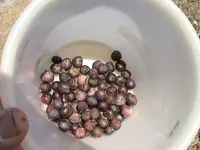
The seeds have a rough, pitted surface and a high oil content, features that likely evolved to aid both water absorption during germination and protection of stored lipids from rapid degradation.

Cool-season annual habit

This species completes its life cycle in a single cool-growing season, typically germinating in early spring, flowering in late spring to early summer, and setting seed before peak summer heat.

Self-seeding field behavior

In suitable climates and soils, plants readily drop mature seed that survives winter and germinates the following spring, allowing stands to persist in the same field for many years without deliberate resowing.

Botan icon

Did you know?

Charred seeds of this species have been recovered from archaeological sites in the ancient Near East, indicating it was intentionally collected or cultivated by humans more than 2,000 years ago and integrated into early culinary and ritual practices.

FAQs about black cumin

Lack of blooms often comes from too much shade, excess nitrogen fertilizer, or sowing too late in warm weather. Ensure full sun, moderate feeding, and avoid crowding so the plant can form buds and flowers.

Grow Healthy Plants with Botan Care

Keep your plants happy and healthy with plant identification, disease detection, and easy care guidance.

Botan plant care app — identify plants on mobile

Explore More Plants