tuber anemone Care (Anemone tuberosa)

tuber anemone

About tuber anemone

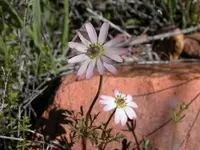
Tuber anemone (Anemone tuberosa) is a small, herbaceous perennial from arid and semi-arid regions of the southwestern United States and northern Mexico. It grows from a tuber, forming low clumps of finely divided, fern-like foliage.

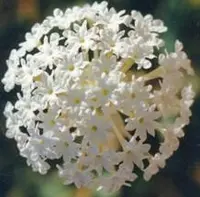
The plant sends up delicate stems topped with starry white to pale pink flowers in early spring, then usually goes dormant as heat and drought increase. It favors open, rocky or sandy soils with good drainage and benefits from dry rest in summer.

This species suits gardeners who can mimic its natural dry, winter-moist cycle and avoid overwatering. Understanding how to care for tuber anemone is important, since it dislikes heavy soils and constant moisture.

Main Plant Requirements

Care Difficulty

Moderate Care

Light Preference

Full Sun

Water Requirements

Low Water

Temperature Preference

Cold Hardy

Hardiness Zone

6–9

Soil Texture

Sandy, Loamy, Rocky

Soil pH

Acidic (5.5–6.5), Slightly acidic (6.5–7.0)

Soil Drainage

Well-drained

Fertilization

Minimal (feed rarely)

Get Personalized Care Plan

Scan your plant to receive care tips personalized for your specific plant

Available on iOS and Android

How to Care for the tuber anemone

This sun-loving North American wildflower thrives in bright, open sites with strong light.

  • Provide 6–8 hours of direct sun daily; morning and midday sun are ideal in most climates.
  • Allow light afternoon shade in very hot regions to prevent leaf scorch and premature flowering decline in tuber anemone.
  • Avoid dense shade, which causes weak, elongated growth and poor flowering; choose an unshaded southern or western exposure, especially from late winter through spring.

This species prefers dry to moderately dry conditions and is sensitive to waterlogged soil.

  • Let the top 5–8 cm of soil dry completely before watering; in native-style beds this often means no extra water beyond normal rainfall.
  • During active growth in late winter–spring, water only after a dry spell if foliage wilts early in the day and soil feels dry below the surface.
  • Ensure sharply draining, gritty soil; chronic dampness, yellowing foliage, or soft tubers indicate overwatering, while crisp, prematurely collapsing leaves suggest underwatering or drought stress.

This hardy perennial tolerates wide outdoor temperature swings once established.

  • Active growth and flowering occur best around 55–70°F (13–21°C), typical of late winter to spring in many dry, temperate regions.
  • Dormant tubers tolerate winter lows down to about 10–15°F (-12 to -9°C) in well-drained soil; mulch lightly in colder areas to buffer freeze–thaw cycles.
  • In summer, plants usually go dormant; tubers handle heat up to about 95°F (35°C) if soil is dry and airy, but prolonged hot, wet conditions increase rot risk.

This species is adapted to dry climates and usually does not need extra humidity indoors or outdoors.

  • Aim for 30–50% humidity; typical indoor air is acceptable for tuber anemone.
  • Dry air rarely harms the plant, but combined with heat it can speed leaf scorch and shorten flowering.
  • If air is extremely dry and hot, provide light shade and avoid hot, reflected surfaces rather than adding humidity.

This species prefers fast-draining, sandy or gritty soil that dries quickly between waterings.

  • Use a mix of roughly 50–70% mineral material (coarse sand or grit) with the rest low- to moderate-organic loam or compost for Anemone tuberosa.
  • Ensure sharp drainage by avoiding fine peat-heavy mixes that stay wet and instead incorporating coarse sand or small gravel.
  • Target a slightly alkaline to neutral pH around 6.5–7.5, avoiding strongly acidic soils that can limit nutrient availability.
  • Improve aeration by mounding the planting area or using raised beds, especially where native soil is heavy or compacted.

This species can be grown in containers if the pot is set up to mimic dry, sharply draining ground.

  • Choose a pot at least 20–25 cm deep so tubers can sit lower in the mix while the surface dries faster.
  • Use unglazed clay containers to let excess moisture evaporate through the pot walls in addition to drainage holes.
  • Raise the pot on feet or bricks so water clears the drainage holes quickly after rain or irrigation.

Native and adapted to lean soils, tuber anemone needs only light feeding in most garden settings.

  • Use a thin top-dressing of compost or a low-dose, balanced NPK granular fertilizer (such as 5-5-5) in early spring as growth emerges.
  • Apply slow-release fertilizer sparingly once per season in well-drained soils; avoid rich, highly amended beds.
  • Dilute any liquid feed to 1/2–1/4 strength to prevent lush, weak growth and tuber rot.
  • Do not fertilize during dormancy or winter, as inactive roots cannot use nutrients efficiently.

Anemone tuberosa needs only minimal pruning to keep plants tidy and flowering well.

  • Cut back spent flowering stems at ground level after blooms fade to encourage a neater clump.
  • Remove dead, damaged, or diseased foliage with clean, sharp scissors or hand pruners whenever noticed.
  • In late fall or very early spring, clear away dry, brown stems to make space for new shoots.
  • Avoid heavy cutting into healthy green growth, which can reduce flower display and stress the plant.

This species is usually grown in the ground, and transplanting is done infrequently to avoid disturbing its tubers.

  • Plan any transplanting for late fall or very early spring, when top growth is dormant and soil is workable.
  • Lift carefully with a trowel or fork, keeping soil around the tuberous roots to limit damage and shock.
  • Replant at the same depth in a sunny, well-drained site, spacing clumps to avoid future crowding.
  • Water lightly after transplanting, then allow soil to dry slightly between waterings to reduce risk of rot.

Anemone tuberosa plant care often includes propagation by seed or careful division of tuberous clumps.

  • Sow fresh seeds in fall in trays or pots outdoors, using a gritty, well-drained mix and light cover for natural cold stratification.
  • Keep seed pots just moist; germination may be uneven and can occur in spring after winter chilling.
  • For division, dig mature clumps in late summer to fall dormancy and gently separate firm, healthy tubers.
  • Replant divisions promptly at original depth and spacing, then water once to settle soil and encourage rooting.

This species is generally cold hardy in much of its range and needs little active winter care in the ground.

  • In climates colder than its usual range, add a light mulch layer over the root zone after the ground cools but before deep freezes.
  • Avoid heavy, wet mulch directly on crowns, which can trap moisture and promote rot.
  • For container plants in cold regions, move pots to a sheltered, unheated but frost-free spot until spring.

Care Tips

Mark Dormant Sites

Flag or label the planting spots in late spring so dormant tubers are not accidentally dug up or overplanted when the foliage disappears after flowering.

Encourage Natural Offsets

Loosen the surrounding soil gently with a hand fork after the plant goes dormant to make it easier for new tuber offsets to expand and establish.

Summer Dry Rest

Provide a deliberate dry rest once foliage dies back by withholding irrigation directly over the tubers, especially in mixed beds that stay watered for other plants.

Careful Companion Spacing

Avoid planting tall, dense perennials directly south or west of the clump so the low spring foliage and flowers receive full exposure before surrounding plants leaf out.

Minimal Disturbance Division

If division is needed, lift tubers only during full dormancy, keep them oriented the same way up, and replant at the same depth within a few hours to reduce stress when growing tuber anemone.

Common Pests and Diseases

Powdery mildew

This disease appears as white to gray powdery patches on leaves and stems, often during cooler, humid periods in spring. Symptoms include distorted new growth and reduced flowering on stressed plants.

Solution

Improve air circulation around clumps, avoid overhead watering, and remove heavily infected foliage to reduce spore load. If needed, apply a sulfur or potassium bicarbonate fungicide labeled for ornamentals at first signs, and space plants so foliage dries quickly after moisture events when following Anemone tuberosa care instructions.

Crown and tuber rot

This disease causes plants to collapse from the base, with crowns and tubers turning soft, brown, and sometimes foul-smelling, usually in poorly drained or overwatered soils. Symptoms include sudden wilting despite moist soil and failure of tubers to re-sprout.

Solution

Dig up and discard affected plants and any obviously rotted tubers, and improve drainage by raising beds or amending soil with coarse mineral material. Replant only into well-drained, low-organic, sandy or gravelly soil, avoid frequent irrigation, and keep tubers dry-dormant in summer if grown in containers.

Leaf spots

This disease produces small brown, tan, or purplish spots on leaves that may merge into larger blotches, often after cool, wet spells. Symptoms include premature yellowing and shedding of older foliage while flowers may be less affected.

Solution

Remove and discard spotted leaves and any fallen debris around the plant to reduce inoculum. Water at soil level, not on foliage, and if outbreaks are recurrent, consider a copper or chlorothalonil fungicide labeled for ornamentals applied early in the season during wet periods.

Aphids

These insects cluster on tender stems, buds, and leaf undersides, sucking sap and causing distorted growth and sticky honeydew that can attract sooty mold. This pest is most noticeable on fresh spring growth and flowering stems.

Solution

Wash colonies off with a firm stream of water, repeating every few days as needed, and pinch off heavily infested shoot tips. Encourage natural predators like lady beetles, and if populations remain high, use insecticidal soap or a light horticultural oil, coating undersides of leaves and buds thoroughly.

Leafhoppers

These insects feed by piercing and sucking sap from leaves, leading to pale stippling, small yellow patches, and sometimes marginal leaf scorch under hot, dry conditions. This pest can also vector certain plant pathogens, increasing stress on wildflower plantings.

Solution

Reduce nearby tall weeds and grasses that host leafhoppers, and inspect foliage regularly during warm, dry periods. If damage is persistent, use a fine spray of insecticidal soap or a labeled pyrethrin product in the evening when pollinator activity is low, targeting the undersides of leaves where insects rest.

Interesting Facts

Southwestern desert native

This species is native to arid regions of the southwestern United States and northern Mexico, where it grows in open, rocky, or gravelly desert slopes and grasslands rather than moist woodland habitats typical of many other anemones.

Tuber-based survival

It survives hot, dry summers by retreating into a small underground tuber, allowing the above-ground parts to die back completely and then resprout with winter and early spring moisture.

Early spring bloomer

In its native range, it often flowers in very early spring, taking advantage of cooler temperatures and seasonal moisture before intense summer heat and drought arrive.

Botan icon

Did you know?

Unlike many showy garden anemones, this species is adapted to alkaline, calcareous desert soils and can form small, scattered colonies in undisturbed desert grasslands, making it a useful indicator of relatively intact native plant communities in parts of the Sonoran and Chihuahuan Deserts.

FAQs about tuber anemone

This species is a long-lived perennial. The foliage and flowers appear in spring, then die back to underground tubers for summer dormancy. With suitable conditions, clumps return and slowly enlarge over many years without replanting.

Grow Healthy Plants with Botan Care

Keep your plants happy and healthy with plant identification, disease detection, and easy care guidance.

Botan plant care app — identify plants on mobile

Explore More Plants