Gravel Root Zone
Spread a 2–3 cm layer of coarse gravel or small pebbles directly around the crown to keep stems dry at the base and reduce the risk of rot in rainy periods.

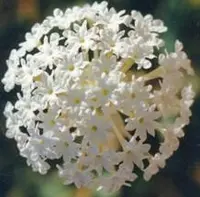
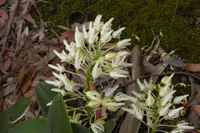
Snowball sand verbena (Abronia fragrans) is a low, spreading perennial native to dry prairies and sandy habitats of the central and western United States. It forms loose mats of gray-green leaves topped with rounded clusters of fragrant white flowers that open mainly in the evening.
This species is adapted to poor, well-drained, often sandy soils and tolerates heat and drought once established. It suits rock gardens, xeriscapes, and naturalistic plantings where competition from taller plants is limited.
Because it is adapted to lean, dry conditions, it can be sensitive to heavy, wet soils and overwatering. Gardeners who learn how to care for snowball sand verbena usually find it a durable and rewarding plant in suitable climates.

Care Difficulty
Easy Care

Light Preference
Full Sun

Water Requirements
Low Water

Temperature Preference
Warm Climate

Hardiness Zone
4–9

Soil Texture
Sandy, Loamy, Rocky

Soil pH
Slightly acidic (6.5–7.0), Neutral (7.0)

Soil Drainage
Well-drained

Fertilization
Minimal (feed rarely)
Scan your plant to receive care tips personalized for your specific plant
Available on iOS and Android
Abronia fragrans thrives in bright, open sites typical of dry prairies and sandy plains.
Abronia fragrans prefers dry to moderately dry conditions and is prone to rot in wet soil.
This species is adapted to warm, dry climates with cool to cold winters.
Abronia fragrans handles low humidity well and rarely needs special moisture adjustments.
This species prefers lean, very well-drained, sandy soil that mimics its native dry habitats.
This species can be grown in containers if the pot and substrate stay sharply drained and sun-exposed.
Abronia fragrans is adapted to lean soils and needs only light feeding to flower well in garden conditions.
Pruning Abronia fragrans is simple and mainly supports compact growth and tidy flowering clumps.
Abronia fragrans is usually grown in the ground and dislikes frequent disturbance of its root system.
Multiplying Abronia fragrans is most practical from seeds, with cuttings used less often.
Abronia fragrans is fairly cold hardy in its native range and usually requires only minimal winter attention in the ground.

Plant Health Check
Not sure what's wrong with your plant? Check your plant's health inside the app.
This species releases its strongest scent at night, which helps attract nocturnal moth pollinators on the open prairies and sandhills where it grows.
It typically forms low, spreading mats on sandy or gravelly soils, an adaptation that helps stabilize loose substrates and reduce water loss from wind exposure.
The tubular white flowers are especially suited to long-tongued moths, which can reach the nectar deep in the floral tube while transferring pollen between plants.

Native American groups, including some Plains tribes, traditionally used the distinctive white flower clusters as part of ceremonial decorations, reflecting the plant’s strong nighttime fragrance and presence in open prairie landscapes.
This species is highly attractive to night-flying moths and also draws native bees and some butterflies. The fragrant white flower clusters provide nectar, so planting several together can noticeably increase pollinator activity in a sunny, open bed.
Keep your plants happy and healthy with plant identification, disease detection, and easy care guidance.