Low-branch pinching
Pinch out the soft tips of very low, outward-facing shoots in early spring to encourage a denser upper framework and keep flowers more visible above surrounding plants.

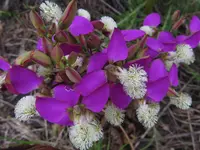
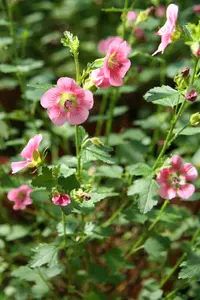
Butterfly falsepea, Polygala bracteolata, is a small shrubby perennial known for its bright purple to pink pea-like flowers and fine, narrow leaves. It often forms low, bushy mounds that suit borders or mixed plantings.
This species occurs naturally in parts of southern Africa, typically in open, sunny habitats with well-drained soils. Its compact growth and regular blooming make it attractive in mild climates.
Polygala bracteolata is moderately easy to grow if given good light, drainage, and protection from severe cold. Understanding these basic needs helps gardeners care for Butterfly Falsepea successfully without complex maintenance.

Care Difficulty
Moderate Care

Light Preference
Partial Sun

Water Requirements
Moderate Water

Temperature Preference
Warm Climate

Hardiness Zone
9–11

Soil Texture
Sandy, Loamy, Organic-rich

Soil pH
Acidic (5.5–6.5), Slightly acidic (6.5–7.0)

Soil Drainage
Well-drained

Fertilization
Light (every 4–6 weeks)
Scan your plant to receive care tips personalized for your specific plant
Available on iOS and Android
This shrub prefers bright conditions with some protection from intense midday sun.
This plant likes steady soil moisture without staying soggy.
This species prefers mild, frost-free climates for reliable growth and flowering.
Humidity plays a minor role for Polygala bracteolata, which adapts well to typical household air.
Polygala bracteolata grows best in light, well-aerated soil that never stays waterlogged.
This species is well suited to container growing when the pot is chosen to support its root system and top growth.
Polygala bracteolata responds well to light, consistent feeding during active growth.
Pruning helps Polygala bracteolata maintain a compact shape and good flowering.
Container-grown plants and young shrubs benefit from thoughtful repotting or transplanting to maintain vigor.
Polygala bracteolata is most often propagated from semi-ripe cuttings and sometimes from seed.
This shrub prefers mild climates and needs some winter attention in colder areas.

Plant Health Check
Not sure what's wrong with your plant? Check your plant's health inside the app.
This species is native to southern Africa, where it grows in open, sunny habitats such as grasslands and light scrub, often on well-drained, sandy or rocky soils.
Its purple to pink flowers have a winged, butterfly-like structure with a prominent keel petal, a form that helps guide visiting insects toward the nectar and pollen.
In mild climates, plants can flower over an extended season rather than in a short flush, providing a prolonged nectar source for small bees and other pollinators.
This shrub is very attractive to bees and small native pollinators, which visit its nectar-rich flowers regularly. Butterflies may visit too, especially in warm, sheltered gardens with other flowering plants that provide additional nectar sources.
Keep your plants happy and healthy with plant identification, disease detection, and easy care guidance.