Cape African-queen Care (Anisodontea capensis)

Also known as: Cape Mallow, Wild Stockrose, Wild Mallow, African Mallow
Cape African-queen

About Cape African-queen

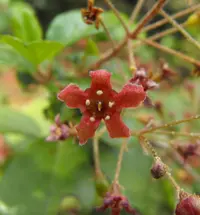
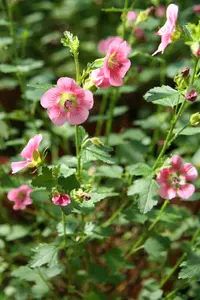
Cape African-queen, Anisodontea capensis, is a compact, shrubby perennial grown mainly for its long-lasting display of hibiscus-like pink flowers. It usually develops a bushy, upright habit with many slender branches and small, slightly toothed leaves that give it a light, airy look.

This species is native to South Africa, where it grows in sunny, relatively dry habitats with well-drained soils. Its fast growth and almost continuous blooming make it attractive but slightly demanding, as it needs consistent light and regular shaping to stay dense.

Gardeners who want to care for Cape African-queen should provide bright conditions, moderate watering, and non-soggy soil to keep it healthy and flowering well.

Main Plant Requirements

Care Difficulty

Moderate Care

Light Preference

Full Sun

Water Requirements

Moderate Water

Temperature Preference

Warm Climate

Hardiness Zone

9–11

Soil Texture

Sandy, Loamy, Organic-rich

Soil pH

Acidic (5.5–6.5), Slightly acidic (6.5–7.0)

Soil Drainage

Well-drained

Fertilization

Light (every 4–6 weeks)

Get Personalized Care Plan

Scan your plant to receive care tips personalized for your specific plant

Available on iOS and Android

How to Care for the Cape African-queen

Anisodontea capensis prefers bright sun to produce abundant blooms and compact growth.

  • Provide 6–8 hours of direct sun daily; morning sun with light afternoon shade suits hot summer climates best.
  • Tolerates light or dappled shade for part of the day, but flowering and branching decline in dense shade.
  • In very strong afternoon sun, especially in heatwaves, leaf edges may scorch; add light shade cloth or plant where taller shrubs filter light for Cape African-queen.

This shrub prefers moderate, consistent moisture in well-drained soil rather than constant wetness.

  • Allow the top 3–5 cm of soil to dry before watering; soil should feel dry at the surface but still slightly cool just below.
  • During hot, dry periods, increase frequency, watching for soft wilting or dull foliage; reduce watering in cool or rainy seasons.
  • Yellowing lower leaves, soft stems, or a sour smell indicate overwatering and poor drainage, while crisp leaves and rapid wilting point to underwatering for Anisodontea capensis.

This plant grows best in mild, frost-free conditions and dislikes prolonged cold or extreme heat.

  • Optimal growth occurs around 65–80°F (18–27°C), with steady flowering in warm, temperate climates.
  • It tolerates brief dips to about 28–30°F (-2 to -1°C) but light frost can damage new growth, so protection is useful in cold snaps.
  • In hotter areas above 90°F (32°C), provide mulch and some afternoon shade to reduce heat stress and prevent bud drop during peak summer.

Anisodontea capensis handles a wide humidity range and rarely needs special humidity control indoors.

  • Target 30–50% humidity, similar to most heated homes, for stable flowering and foliage.
  • This Cape African-queen tolerates short periods of drier air but may drop buds if exposed to very warm, dry drafts.
  • Crisping leaf edges or puckered new growth signal humidity or moisture stress; use a nearby water tray or group plants only if air is extremely dry.

Provide light, well‑structured soil that drains quickly yet holds moderate moisture.

  • Use a sandy or sandy‑loam mix with 30–40% coarse materials such as horticultural sand, perlite, or fine grit to prevent waterlogging.
  • Incorporate 20–30% mature compost to supply nutrients without making the mix heavy or compacted.
  • Aim for a slightly acidic to neutral pH around 6.0–7.0, which supports nutrient uptake and healthy root development in Anisodontea capensis.
  • Avoid dense clay, peat‑heavy mixes, or soil that stays wet for more than 1–2 days, which increases root rot risk and reduces aeration.

This species is well suited to container growing when the pot supports its fast, upright growth.

  • Choose a wide, moderately deep pot that allows a fibrous root system to spread and anchors the top‑heavy branching habit.
  • Select a slightly heavy material such as ceramic or thick terracotta to improve stability outdoors in wind.
  • Ensure drainage holes are large and unobstructed so excess water exits rapidly and does not pool around the crown.

Anisodontea capensis responds well to modest, consistent feeding during the main growing season.

  • Use a balanced liquid fertilizer (such as 10-10-10 or 20-20-20) at 1/2 strength every 3–4 weeks from spring through late summer.
  • Alternatively, apply a slow-release granular fertilizer in early spring, following label rates for flowering shrubs.
  • Supplement with a light top-dressing of compost once a year to support soil structure and microbial life.
  • Stop feeding in fall and winter to avoid weak, frost-tender growth, especially for Cape African-queen in cooler regions.

Thoughtful pruning keeps Anisodontea capensis compact, flowering well, and free of weak growth.

  • Carry out main pruning in late winter or very early spring before strong new growth starts.
  • Use clean, sharp hand pruners to remove dead, damaged, or crossing stems back to healthy wood.
  • Shorten long, leggy shoots by up to one-third to encourage bushier growth and more flowering sites.
  • Lightly deadhead spent clusters during the season to extend bloom and maintain a tidy outline.

This shrub is most often grown in the ground, but container plants still benefit from timely repotting or transplanting.

  • Look for roots circling the pot, drying out quickly, or slowed top growth as signs a move is needed.
  • Plan repotting or transplanting for early spring or early fall, avoiding extreme heat or frost.
  • Repot container plants every 2–3 years into a pot 2–5 cm wider, using a free-draining, peat-free mix.
  • Water thoroughly before and after moving, keep roots shaded, and reduce pruning at the same time to limit stress.

This species is commonly propagated to maintain flowering shrubs with consistent color and habit.

  • Take 7–10 cm softwood or semi-ripe stem cuttings in late spring to summer, cutting below a node.
  • Remove lower leaves, dip the base in rooting hormone, and place in a moist, free-draining propagation mix.
  • Provide bright, indirect light, high humidity, and stable warmth around 68–75°F for reliable rooting.
  • Sow fresh seeds in spring in a light seed mix, keeping evenly moist and warm until germination.

Winter needs depend strongly on climate, as this shrub is only moderately frost tolerant.

  • In mild climates, plants can overwinter outdoors with minimal care, aside from cleaning up dead material.
  • In colder areas, mulch the root zone 5–8 cm deep to buffer freeze–thaw cycles and retain soil moisture.
  • For containers, move pots into a bright, cool, frost-free space and reduce watering to prevent root rot.

Care Tips

Staggered Renewal Pruning

Every 2–3 years, remove 1–3 of the oldest, thickest stems at the base in late winter to keep the shrub compact, stimulate young flowering wood, and extend its productive life when growing Cape African-queen.

Wind‑smart Positioning

In breezy sites, place the plant near a fence or wall that breaks strong prevailing winds to reduce stem breakage and flower loss while still allowing full light exposure and good air movement.

Discreet Structural Support

For tall, floriferous plants, insert 2–3 slender stakes just outside the root zone and connect them with soft garden ties or twine in a loose ring to prevent flopping without spoiling the plant’s natural shape.

Container Root Management

For long-term container plants, gently root-prune and repot into fresh mix every 2–3 years, trimming away circling roots and replanting at the same depth to maintain vigor and prevent the shrub from becoming pot‑bound.

Targeted Pest Monitoring

Inspect new growth and flower buds weekly for aphids, whiteflies, or spider mites, and if detected early, use a firm water spray followed by horticultural soap according to label directions to prevent infestations from becoming established.

Common Pests and Diseases

Whiteflies

These insects often build up on the undersides of leaves of Anisodontea in warm, sheltered spots, sucking sap and causing yellowing and leaf drop. This pest can also spread sticky honeydew that encourages sooty mold growth on foliage.

Solution

Reduce numbers by hosing down the plant, especially the leaf undersides, then use yellow sticky traps to monitor adults. For ongoing Anisodontea capensis care, apply insecticidal soap or a horticultural oil thoroughly to the undersides of leaves every 7–10 days until populations collapse, and avoid overfertilizing with high-nitrogen products that encourage soft, vulnerable growth.

Red spider mites

This pest thrives in hot, dry conditions and feeds on the underside of leaves, leading to pale, speckled foliage and fine webbing between stems and leaves. Heavy infestations can cause significant leaf drop and general decline of the shrub.

Solution

Increase humidity around container plants with regular misting and rinse foliage with a firm spray of water, focusing on the undersides of leaves. If populations persist, use insecticidal soap or a miticide labeled for spider mites, repeating applications as directed while also improving air movement and avoiding drought stress.

Leafhoppers

These insects jump readily when disturbed and pierce leaves to feed, causing pale stippling, edge scorch, and sometimes distorted new growth. Symptoms include reduced vigor and a generally tired appearance, especially in dry, exposed positions.

Solution

Prune and dispose of heavily affected shoots and reduce nearby weed hosts where leafhoppers may breed. Where damage is persistent, use a systemic or contact insect control approved for ornamental shrubs, applying in the evening to reduce impact on pollinators and repeating as needed according to the product label.

Powdery mildew

This disease appears as a white, powdery coating on leaves, stems, and buds, often starting on older or shaded foliage. Symptoms include distorted new growth, premature leaf drop, and reduced flowering if not managed.

Solution

Thin crowded stems to improve airflow, avoid overhead watering, and remove heavily infected leaves. Apply a sulfur-based or potassium bicarbonate fungicide at the first sign of symptoms, repeating at 7–14 day intervals in warm, dry periods when powdery mildew is most active.

Rust

This disease produces small yellow spots on upper leaf surfaces and orange-brown pustules on the undersides, especially in damp or crowded plantings. Symptoms include premature yellowing and leaf drop, which can weaken the plant over time.

Solution

Promptly remove and dispose of affected leaves and any fallen debris to reduce reinfection. Improve spacing and airflow, water at soil level, and, if needed, apply a copper- or sulfur-based fungicide labeled for rust, starting early in the season when the first spots appear.

Interesting Facts

Year‑round flowering shrub

In mild South African and Mediterranean‑type climates, this species can flower almost continuously, with new pink blooms forming on current‑season growth rather than only on old wood.

Mallow family relative

This plant belongs to the Malvaceae family, making it a shrubby relative of hibiscus and hollyhock, with similarly structured flowers that have a prominent central column of fused stamens.

Fynbos margin native

The species is naturally found on rocky slopes and margins of the fynbos vegetation in the Western Cape of South Africa, where it is adapted to well‑drained soils and a climate with winter rainfall and dry summers.

FAQs about Cape African-queen

Insufficient light, heavy pruning at the wrong time, or excess nitrogen fertilizer commonly reduce flowering. Old, exhausted potting mix, root congestion, or drought stress also limit bloom. Light seasonal pruning and balanced feeding usually restore flower production.

Grow Healthy Plants with Botan Care

Keep your plants happy and healthy with plant identification, disease detection, and easy care guidance.


Botan plant care app — identify plants on mobile

Explore More Plants