Woody Pear Care (Xylomelum pyriforme)

Woody Pear

About Woody Pear

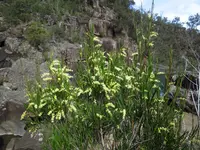
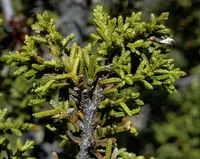
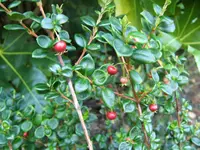
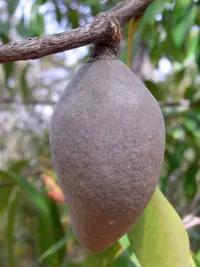
Woody pear, Xylomelum pyriforme, is a slow-growing shrub or small tree from the dry sclerophyll woodlands of eastern Australia. It belongs to the Proteaceae family, known for tough, leathery foliage adapted to poor soils. Plants form an upright, branching habit with narrow, stiff leaves and distinctive woody, pear-shaped seed pods that remain on the plant for long periods. The unusual fruits give strong architectural interest rather than showy flowers. Woody pear prefers sunny, open positions with well-drained, low-fertility, sandy or gravelly soil and does not like rich, wet conditions. Its slow growth and sensitivity to overwatering mean it suits patient growers who want to learn how to care for Woody Pear in a climate similar to its native range.

Main Plant Requirements

Care Difficulty

Moderate Care

Light Preference

Full Sun

Water Requirements

Low Water

Temperature Preference

Warm Climate

Hardiness Zone

9–11

Soil Texture

Sandy, Loamy, Rocky

Soil pH

Acidic (5.5–6.5)

Soil Drainage

Well-drained

Fertilization

Minimal (feed rarely)

Get Personalized Care Plan

Scan your plant to receive care tips personalized for your specific plant

Available on iOS and Android

How to Care for the Woody Pear

This sun-loving Australian shrub thrives in open, bright positions with low humidity.

  • Provide 6–8 hours of direct sun daily; full sun suits Woody Pear best, especially in coastal or low-frost climates.
  • Tolerates light or dappled shade for a few hours, but dense shade reduces flowering and causes leggy, sparse growth.
  • In hot inland areas, aim for morning sun and light afternoon shade to limit leaf scorch and premature leaf drop during summer heatwaves.

This species is drought-tolerant once established and prefers infrequent, deep watering.

  • Water when the top 5–8 cm of soil are completely dry, then soak the root zone and allow excess water to drain away fully.
  • Use fast-draining, sandy or gravelly soil; persistent surface dampness, algae, or a sour smell suggests overwatering and poor drainage.
  • During the first 1–2 growing seasons, monitor closely: wilting, dull leaves, and very dry soil indicate it needs a slow, thorough soak.

This shrub is adapted to mild, warm climates with dry summers and does not tolerate hard frost.

  • Best growth occurs around 65–80°F (18–27°C), with warm, dry air and good air movement around the foliage and stems.
  • Tolerates brief drops to about 28°F (-2°C), but repeated or lower frosts can kill young shoots and damage flower buds.
  • Handles summer heat up to 95–100°F (35–38°C) if soil drains freely; in extended heatwaves, young plants benefit from mulch and slight afternoon shade.

This species from dry Australian habitats copes well in typical indoor humidity.

  • Aim for 30–50% humidity; avoid prolonged levels above 70% that can encourage fungal issues around roots and foliage.
  • Woody Pear tolerates dry air but extended exposure to hot, very dry drafts can crisp leaf tips and edges.
  • If air is extremely dry, group plants together or place a water tray nearby rather than misting, which adds brief moisture but can raise disease risk.

Xylomelum pyriforme prefers lean, sharply drained, sandy soil that mimics its native heathland conditions.

  • Use a mix of roughly 60–70% coarse sand or gritty material with 30–40% low-nutrient native planting mix or sandy loam to prevent compaction.
  • Ensure very rapid drainage; water should drain from the pot or bed within 30–60 seconds after thorough watering.
  • Keep pH slightly acidic to neutral, roughly pH 5.5–7.0, and avoid heavy lime additions that can lock up nutrients in sandy profiles.
  • Avoid rich composts, manures, and clay-heavy mixes, which hold excess moisture and nutrients and greatly increase root rot risk.

This species can be grown in containers for a time, but long-term cultivation is challenging due to its deep, woody root system.

  • Choose a tall, heavy container to provide depth for the taproot and stability against wind sway as the plant becomes woody and top-heavy.
  • Use a very fast-draining mix and raise the container slightly on feet so water exits quickly and does not pool under the base.
  • Position the pot in a location sheltered from strong, gusty winds to reduce leverage on the roots and prevent the container from tipping.

This nutrient-efficient Australian native needs only light feeding in poor soils and usually none in rich ground.

  • For young Woody Pear in lean, sandy soil, apply a slow-release, low-phosphorus native formula once in spring at half label rate.
  • Avoid high-phosphorus fertilizers, as Proteaceae roots are sensitive and can suffer toxicity.
  • In containers, use a dilute, balanced native liquid feed every 4–6 weeks during active growth only.
  • Stop feeding in late fall and through winter to allow natural dormancy.

Pruning Xylomelum pyriforme is minimal and mainly aims to keep the shrub healthy and well-shaped.

  • Best time is late winter to early spring before strong new growth starts.
  • Remove dead, diseased, or storm-damaged wood with clean, sharp bypass pruners or loppers.
  • Thin crowded interior branches lightly to improve airflow and maintain a balanced framework.
  • Avoid cutting into very old wood; focus on younger stems to preserve natural form and flowering potential.

This species is usually grown in the ground, so focus on careful transplanting rather than frequent repotting.

  • Transplant young plants in late winter or early spring when soil is moist and temperatures are mild.
  • Look for signs such as slow growth, roots circling a nursery pot, or the plant becoming top-heavy.
  • Move up only 1 pot size or into a well-drained, sandy bed to limit root disturbance.
  • Water deeply after planting, then keep soil just moist while new roots establish, shading from harsh sun for 1–2 weeks.

Propagation of this Proteaceae shrub is usually done from seed and can be slow and variable in success.

  • Collect ripe woody pods and extract mature seeds, then sow in late winter to early spring.
  • Use a very well-drained, low-phosphorus seed mix and shallowly cover seeds.
  • Maintain bright light, good airflow, and temperatures around 65–75°F, keeping the mix just barely moist.
  • Handle seedlings gently at pricking-out stage, disturbing roots as little as possible and hardening them off gradually outdoors.

Established plants in mild, low-frost climates need little special winter care.

  • Xylomelum pyriforme tolerates light frosts but may suffer damage in extended freezes below about 25°F.
  • Apply a 5–8 cm layer of coarse mulch around the root zone, keeping it clear of the stem base.
  • For container plants in colder regions, shift pots to a sheltered porch or cool, bright indoor spot during hard freezes.

Care Tips

Firewise placement

Site plants at least 3–4 m from buildings and avoid continuous mulch or shrub layers, as this species is highly flammable and is better used as a background or perimeter specimen in fire-prone gardens.

Juvenile protection

Install a low, open wire guard or temporary fencing around young plants for the first 1–2 years to protect the slow juvenile growth from foot traffic, pets, and accidental damage during maintenance.

Wind-hardening strategy

Gradually expose young plants raised in sheltered areas to stronger wind over 2–3 weeks before planting them in open sites, which reduces transplant shock and encourages sturdier, less break-prone shoots.

Low-phosphorus companions

Combine with other low-phosphorus-tolerant Australian natives in nearby beds and avoid planting heavy feeders that require frequent high-phosphorus fertilization, which can damage the cluster roots of this species.

Seed pod management

Monitor and thin developing woody pods on younger or small plants so that no more than a few mature per branch, which reduces weight stress and branch breakage while still allowing seed collection for future growing Woody Pear.

Common Pests and Diseases

Banksia borer

This pest is a native longhorn beetle whose larvae tunnel through woody stems and trunks, weakening branches and reducing vigor.

Solution

Prune and destroy badly affected branches to remove larvae, keep plants well watered during establishment to reduce stress, and avoid wounding trunks. In garden or restoration settings, monitor for fresh frass (wood dust) at entry holes and remove localized infestations before they spread further.

Grevillea looper caterpillars

These insects feed on the foliage, chewing notches or entire sections from leaves and can skeletonize new growth on young plants.

Solution

Hand-pick caterpillars where practical, encourage insectivorous birds with habitat plantings, and, if damage is heavy on young plants, use a biological control product containing Bacillus thuringiensis (Bt) directed only at the foliage being eaten.

Scale insects

These insects attach to stems and leaf undersides, sucking sap and sometimes leading to leaf yellowing, dieback, and sooty mold development on honeydew deposits.

Solution

Wipe or gently scrub affected stems with a cloth or soft brush dipped in soapy water, prune heavily infested twigs, and improve air movement and light penetration through sensible thinning. For persistent cases, apply a targeted horticultural oil spray, coating the insects thoroughly while avoiding very hot or very dry conditions.

Phytophthora dieback

This disease is caused by soil-borne water molds that attack roots, leading to loss of fine roots, foliage yellowing, branch dieback, and eventual death, especially in poorly drained or disturbed sites.

Solution

Plant only into well-drained, low-lying-free sites, avoid overwatering, and never move potentially contaminated soil or mulch from infected areas. In high-risk regions, use strict hygiene (clean tools and footwear), favor resilient local provenances, and consider phosphite (phosphonate) trunk or foliar treatments under professional guidance as part of broader Xylomelum pyriforme plant care.

Botrytis blight

This disease develops in cool, humid conditions, causing spots on flowers and young shoots that can progress to grey, fuzzy mold and tip dieback in dense plantings or nursery stock.

Solution

Increase spacing and airflow, water at the base rather than overhead, and promptly remove and dispose of infected flowers and shoots. In nursery or greenhouse conditions, reduce humidity, improve sanitation, and, if needed, use a labeled fungicide as a short-term support while cultural conditions are corrected.

Interesting Facts

Woody pear seed pods

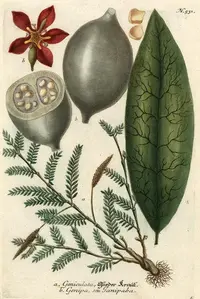
This species develops large, woody, pear-shaped seed pods that can take several years to mature fully on the tree and only open when they are very dry or heat-stressed.

Proteaceae family link

It belongs to the Proteaceae family, and like many relatives it has tough, leathery leaves and nutrient-efficient roots adapted to the nutrient-poor, sandy soils of eastern Australia.

Fire-adapted reproduction

The tree’s hard fruit acts as a fire-resistant capsule, often remaining closed until bushfire or intense heat triggers the release of winged seeds onto freshly cleared ground.

Botan icon

Did you know?

Early European settlers in Australia were struck by the tree’s heavy, woody, pear-like fruits and sometimes collected them as curiosities, which led directly to the common name woody pear that is still used today.

FAQs about Woody Pear

Growth is generally slow to moderate. In suitable outdoor conditions, this species may reach 3–7 m tall over many years, often with a narrow, upright habit. Early growth can be quite slow while roots establish deeply.

Grow Healthy Plants with Botan Care

Keep your plants happy and healthy with plant identification, disease detection, and easy care guidance.

Botan plant care app — identify plants on mobile

Explore More Plants