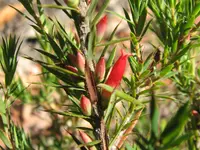
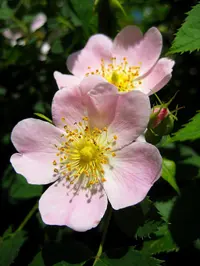
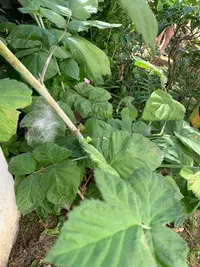
Chilean guava Care (Ugni molinae)

Also known as: strawberry myrtle
Chilean guava

About Chilean guava

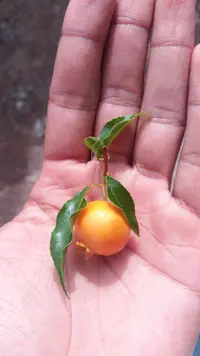
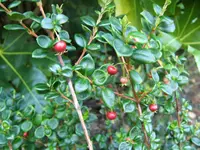
Chilean guava, Ugni molinae, is a small evergreen shrub valued for its aromatic berries and compact, tidy growth. It typically forms dense, bushy mounds with small, glossy leaves and nodding white to pink flowers.

This species is native to temperate forests of Chile and southern Argentina, where it grows in cool, moist conditions with good air movement. Its relatively slow growth, tolerance of light pruning, and small root system make it suitable for containers and small gardens.

Chilean guava is generally considered easy to moderate to grow, as it prefers mild climates, steady moisture, and well-drained, slightly acidic soil. Understanding how to care for Chilean guava helps keep the plant productive and healthy over many years.

Main Plant Requirements

Care Difficulty

Moderate Care

Light Preference

Partial Sun

Water Requirements

Regular Water

Temperature Preference

Warm Climate

Hardiness Zone

8–10

Soil Texture

Sandy, Loamy, Organic-rich

Soil pH

Strongly acidic (4.5–5.5), Acidic (5.5–6.5)

Soil Drainage

Moist but well-drained

Fertilization

Light (every 4–6 weeks)

Get Personalized Care Plan

Scan your plant to receive care tips personalized for your specific plant

Available on iOS and Android

How to Care for the Chilean guava

This shrub prefers bright, cool conditions with gentle sun rather than harsh exposure.

  • Provide 4–6 hours of sun daily, ideally morning sun with light afternoon shade, to support flowering and fruiting of Chilean guava.
  • In hot summers, use dappled or filtered light from trees or a shade cloth during 12–4 p.m. to reduce leaf scorch and moisture stress.
  • In cooler seasons, allow more direct sun, monitoring leaves; pale, sparse growth suggests too much shade, while crisp brown edges indicate excessive sun.

This species favors consistently moist but not waterlogged soil throughout the growing season.

  • Water when the top 3–5 cm of soil feels dry, applying enough to moisten the root zone while allowing excess to drain away quickly.
  • Ensure free-draining soil with organic matter; soggy conditions cause yellowing leaves, soft stems, and potential root rot in Ugni molinae.
  • In cooler months reduce frequency, using leaf wilt, dull foliage, and dry soil depth as cues, and avoid letting the root ball dry out completely.

This plant thrives in mild, maritime-type climates without extreme heat or severe frost.

  • Aim for 60–75°F (16–24°C) during active growth for best flowering and fruit set.
  • Mature plants tolerate brief drops to about 15–20°F (-9 to -6°C) once established, but young plants are more easily damaged by hard frost.
  • In hot areas, sustained temperatures above 90°F (32°C) can stress plants, so combine partial shade, mulch, and careful watering during heatwaves.

This shrub prefers moderately moist air but usually copes with typical household humidity.

  • Aim for 40–60% humidity to reduce leaf edge browning and flower drop in Chilean guava.
  • In very dry heated rooms, watch for crisp leaf tips and slowed growth as signs of humidity stress.
  • Increase humidity by grouping plants, placing the pot on a pebble tray with water below the base, or running a small humidifier nearby.

Ugni molinae performs best in loose, slightly acidic, evenly moist but free-draining soil.

  • Use a mix of 50–60% loam-based or all‑purpose potting mix with 20–30% compost and 10–20% coarse sand or fine bark for structure.
  • Aim for pH 5.5–6.5; add peat moss or pine bark to acidify if your native soil is neutral to alkaline.
  • Ensure sharp drainage by incorporating coarse sand or perlite so water moves through quickly but soil still retains light, even moisture.
  • Avoid heavy clay, compacted ground, or mixes with high peat and no grit, which stay wet, exclude air, and increase root rot risk.

This species is well suited to container growing on patios, balconies, or small gardens.

  • Choose a pot at least 30–40 cm deep to accommodate its fibrous root system and support bushy top growth without tipping.
  • Use a heavier material like ceramic or thick terracotta outdoors to stabilize the shrub against wind once it gains height.
  • Raise the container slightly on pot feet so drainage holes clear quickly after rain and roots do not sit in cold, stagnant water.

This shrub benefits from moderate, targeted feeding to support foliage, flowering, and fruiting.

  • Apply a balanced slow-release fertilizer (e.g. 8-8-8 or 10-10-10) at 1/2 strength in early spring as new growth begins.
  • In mid-summer, top-dress with a thin layer of well-rotted compost to support fruiting on Chilean guava.
  • Avoid high-nitrogen products that push lush leaf growth at the expense of flowers and fruit.
  • Stop feeding in late summer so growth can harden before winter, and do not apply fertilizer while the plant is dormant.

Thoughtful pruning keeps Ugni molinae compact, productive, and easy to manage.

  • Carry out main pruning in late winter or very early spring before new growth starts.
  • Remove dead, damaged, or crossing stems first, then thin crowded interior shoots to improve light and air movement.
  • Shorten overly long or leggy stems to maintain a rounded, bushy shape and encourage more flowering wood.
  • Use clean, sharp hand pruners, making angled cuts just above outward-facing buds or side branches.

Container-grown plants and young shrubs benefit from occasional repotting or careful transplanting to sustain healthy growth.

  • Check for roots circling the pot, dense root mass, or slowed growth as signals the plant has outgrown its container.
  • Plan repotting or transplanting for early spring or early fall, every 2–3 years for potted specimens.
  • Move into a pot 2–5 cm wider, using a free-draining, slightly acidic mix, and loosen outer roots gently.
  • Water thoroughly after planting, then keep evenly moist and shaded from harsh sun for 1–2 weeks to reduce stress.

New Ugni molinae plants are most reliable from semi-ripe cuttings, with seeds and layering as additional options.

  • Take 7–10 cm semi-ripe stem cuttings in late summer, removing lower leaves and any flowers or fruits.
  • Insert cuttings into a moist, free-draining medium, maintain high humidity, and keep at 65–75°F with bright, indirect light.
  • For seeds, sow fresh in a similar mix, keep lightly moist, and expect slow, sometimes uneven germination.
  • Simple layering works by pegging a low, flexible stem into soil until rooted, then severing from the parent plant.

This shrub is moderately cold hardy but benefits from basic winter precautions in colder regions.

  • Tolerates light frosts but may suffer damage below about 15–20°F, especially in exposed positions.
  • Apply a 5–8 cm mulch layer around the root zone in late fall, keeping it clear of the main stems.
  • In colder areas or during hard freezes, wrap the shrub with breathable frost cloth to limit foliage and stem damage.
  • Move container-grown plants into a sheltered, frost-free but cool, bright spot before prolonged freezing weather.

Care Tips

Encourage Bushy Form

Pinch back soft shoot tips in late spring and early summer to stimulate dense, branching growth and keep plants compact enough for easy harvesting when growing Chilean guava.

Mulch For Root Health

Apply a 5–8 cm layer of fine bark or wood-chip mulch around, but not touching, the stem to keep roots cool, reduce weed competition, and maintain more consistent soil moisture.

Protect From Wind

Site plants behind a hedge, fence, or windbreak netting to reduce flower and young fruit drop caused by strong, drying winds.

Netting For Fruit

Drape bird netting over a simple frame once fruits begin to color to prevent birds from stripping the crop before it fully ripens.

Use Slightly Acidic Water

In areas with hard, alkaline tap water, mix in collected rainwater or use filtered water periodically to help prevent gradual soil alkalinization that can impair nutrient uptake in this acid-loving shrub.

Common Pests and Diseases

Scale insects

This pest appears as small, rounded or oval bumps on stems and the underside of leaves, often excreting sticky honeydew. Symptoms include sooty mold growth on the honeydew and general decline in vigor.

Solution

Prune and discard heavily infested stems, then wipe remaining insects off with a cotton pad dipped in diluted rubbing alcohol or insecticidal soap. For larger shrubs grown outdoors, a targeted spray of horticultural oil during mild weather helps smother remaining scale while minimizing impact on beneficial insects.

Leaf spot

This disease causes small dark brown to purple spots on leaves that may enlarge, merge, and lead to premature leaf drop, especially in humid or crowded conditions. Symptoms include thinning foliage and reduced overall plant vigor over time.

Solution

Remove and discard affected leaves and any fallen debris around the base, then improve air circulation by light pruning and avoiding overhead watering. If leaf spot persists in wet seasons, apply a copper-based fungicide labeled for edible shrubs during dry weather, following label directions carefully.

Botrytis blight

This disease produces soft brown lesions on flowers, young shoots, or fruit that develop a gray fuzzy mold in cool, damp conditions. Symptoms include collapse of tender growth and spoilage of ripening berries.

Solution

Cut out and dispose of all affected plant parts promptly and keep the canopy open by thinning congested stems to improve airflow. Avoid wetting the foliage, water at soil level, and in persistent cool, wet weather consider a preventive spray with a labeled fungicide for small fruits if cultural measures are not sufficient.

Spider mites

These insects are tiny sap feeders that thrive in hot, dry conditions, causing fine stippling on leaves, dull foliage, and in heavier infestations, fine webbing between leaves and stems. Symptoms include gradual yellowing and leaf drop if not addressed.

Solution

Rinse foliage thoroughly with a strong but controlled stream of water, especially the undersides of leaves, and increase humidity around container plants if possible. For outdoor shrubs, repeat washing and, if needed, apply insecticidal soap or horticultural oil, ensuring full coverage of leaf undersides and young shoots.

Phytophthora collar rot

This disease affects the crown area at soil level, causing dark, sunken lesions, poor growth, leaf yellowing, and sudden wilting, often in poorly drained or waterlogged soils. Symptoms include dieback of branches from the top down as the vascular tissue is damaged.

Solution

Remove and destroy severely affected plants and avoid replanting Chilean guava in the same poorly drained spot. Improve drainage, plant slightly raised above soil level, keep mulch away from the stem, and use only well-drained soil mixes; in high-risk sites, consider resistant rootstocks or avoid over-irrigation as part of Ugni molinae care.

Interesting Facts

Aromatic myrtle relative

This species belongs to the myrtle family (Myrtaceae) and its leaves, flowers, and fruits contain aromatic essential oils that give off a sweet, spicy scent when crushed.

Edible berry flavor

The small berries have a distinctive flavor often described as a mix of strawberry and guava, which has led to their traditional use in sweets, drinks, and preserves in southern Chile and Argentina.

Cold-tolerant shrub

Unlike many other subtropical fruit species, this shrub can tolerate light frosts and cool, maritime climates, which makes growing Chilean guava possible in mild coastal regions far from the tropics.

Botan icon

Did you know?

In the 19th century, the berries of this species were reportedly a favored delicacy of Queen Victoria, which led to increased interest in its cultivation in British and European gardens as an ornamental and fruiting shrub.

FAQs about Chilean guava

Poor flowering usually comes from low light, excessive nitrogen fertilizer, or pruning at the wrong time, which removes flower buds. Mature plants also bloom more reliably, so very young shrubs may not flower heavily yet.

Grow Healthy Plants with Botan Care

Keep your plants happy and healthy with plant identification, disease detection, and easy care guidance.

Botan plant care app — identify plants on mobile

Explore More Plants