Encourage Strong Framework
In the first 3–4 years, select 3–5 well-spaced main branches and remove competing narrow crotch shoots to build a sturdy, open canopy that supports heavy fruit loads without breaking.

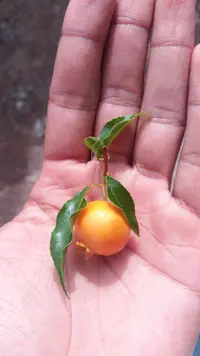
Campomanesia xanthocarpa is a small to medium evergreen tree from the Myrtaceae family, known for its edible yellow fruits and dense, leafy crown. It typically develops a rounded canopy with simple, aromatic leaves and a relatively modest trunk, giving it a tidy, orchard-like appearance.
This species is native to southern Brazil, Paraguay, and neighboring regions, where it grows in subtropical forests and open woodlands. It is generally robust but prefers consistent moisture, mild winters, and well-drained, slightly acidic soil, so learning how to care for Campomanesia xanthocarpa becomes easier if conditions are similar to its natural habitat.
The plant responds well to full sun and regular watering once established, though it dislikes prolonged waterlogging or very dry, compacted ground.

Care Difficulty
Moderate Care

Light Preference
Full Sun

Water Requirements
Moderate Water

Temperature Preference
Warm Climate

Hardiness Zone
9–11

Soil Texture
Sandy, Loamy, Organic-rich

Soil pH
Acidic (5.5–6.5), Slightly acidic (6.5–7.0)

Soil Drainage
Moist but well-drained

Fertilization
Minimal (feed rarely)
Scan your plant to receive care tips personalized for your specific plant
Available on iOS and Android
This subtropical fruit tree benefits from strong light but needs protection from harsh extremes.
This species prefers steady soil moisture without prolonged saturation.
This subtropical tree grows best in warm, frost‑free climates.
This subtropical tree benefits from moderately humid air but tolerates brief drier spells.
This species prefers deep, well-drained, moderately fertile soil with consistent moisture but no standing water.
This tree can be grown in large containers for some years if the potting setup is managed carefully.
This species grows on relatively poor soils but benefits from modest, balanced nutrition in cultivation.
Pruning helps maintain structure, light penetration, and fruiting wood in this small tree.
This species is usually grown in the ground, so focus on careful transplanting of young trees rather than frequent repotting.
Propagation of Campomanesia xanthocarpa is typically done from seed, with patience required for germination and establishment.
Mature plants are reasonably cold tolerant in mild-winter climates but young trees benefit from some winter protection.

Plant Health Check
Not sure what's wrong with your plant? Check your plant's health inside the app.
This species, native to southern Brazil, Uruguay, Paraguay, and northern Argentina, is unusual among Myrtaceae because mature trees can tolerate light frosts and short periods near 28–30°F once well established.
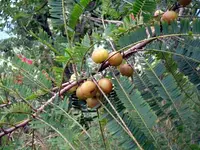
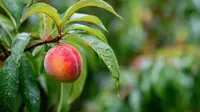
The spherical yellow fruits have a thick, aromatic pulp with a slightly resinous taste, reflecting the presence of essential oils that are characteristic of many Myrtaceae species but particularly strong in this species.
Its flowers are rich in nectar and pollen and are mainly visited by bees, including native stingless bees, which act as the primary pollinators in its native Atlantic Forest habitats.

This species is considered a characteristic component of Araucaria and seasonal forests in southern Brazil, where its fruits are an important seasonal food for birds and mammals that help disperse its seeds across fragmented landscapes.
The ripe yellow fruits are edible and widely consumed fresh or processed into juices, jams, and liqueurs. The flavor is aromatic and somewhat acidic. Avoid unripe fruits and any plant parts that have been exposed to contamination or pesticides.
Keep your plants happy and healthy with plant identification, disease detection, and easy care guidance.