button fern Care (Hemionitis rotundifolia)

button fern

About button fern

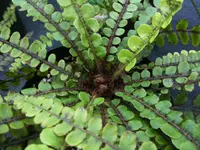
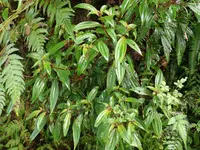
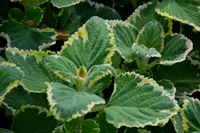
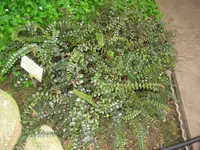
The button fern, Hemionitis rotundifolia, is a compact, evergreen fern with small, round leaflets spaced along thin, wiry stems. It forms a soft, arching mound that suits shelves, desks, and mixed fern displays.

This species is native to tropical regions, often growing on rocky or mossy surfaces in warm, humid forests. Its need for steady moisture and humidity makes it moderately demanding compared with tougher houseplants.

Those learning how to care for button fern should note that it prefers gentle, indirect light, evenly moist but not waterlogged soil, and good air circulation without cold drafts.

Main Plant Requirements

Care Difficulty

Moderate Care

Light Preference

Bright Indirect Light

Water Requirements

Keep Soil Moist

Temperature Preference

Tropical / Frost Sensitive

Hardiness Zone

10–11

Soil Texture

Loamy, Peaty, Organic-rich

Soil pH

Acidic (5.5–6.5)

Soil Drainage

Moist but well-drained

Fertilization

Light (every 4–6 weeks)

Get Personalized Care Plan

Scan your plant to receive care tips personalized for your specific plant

Available on iOS and Android

How to Care for the button fern

This fern prefers soft, forest-like light rather than strong direct sun.

  • Provide bright, filtered light or light shade, such as under taller plants or behind sheer curtains for button fern indoor care.
  • Aim for 2–4 hours of gentle morning sun with dappled or indirect light the rest of the day; avoid harsh midday and afternoon sun that can scorch fronds.
  • In winter, move the plant slightly closer to the light source, but still protected from direct midday rays to compensate for shorter days.

This species prefers evenly moist conditions without becoming waterlogged.

  • Water when the top 1–2 cm of soil feels slightly dry, then moisten thoroughly so excess drains away and roots are not left standing in water.
  • Reduce watering in winter, allowing the top 2–3 cm to dry a bit more, but never letting the entire root zone dry out completely.
  • Watch for limp, crisp fronds as a sign of underwatering and yellowing, mushy bases as a sign of overwatering or poor drainage.

This fern thrives in stable, mild temperatures that mimic a shaded tropical understory.

  • Keep Hemionitis rotundifolia at 65–80°F (18–27°C) for best growth, avoiding sudden temperature swings near doors, drafts, or vents.
  • Protect the plant from cold; growth slows below 60°F (16°C) and tissue damage can occur near 40°F (4°C), especially with any frost.
  • In hot weather above 85°F (29°C), increase humidity and shade, and avoid placing it near hot, reflective surfaces that can overheat fronds.

This fern needs consistently high humidity to maintain healthy, rounded fronds.

  • Aim for 60–80% humidity; it tolerates brief dips to around 50% but reacts poorly to very dry air from heating or AC vents.
  • Crisping or browning at frond edges, slowed growth, and frequent leaflet drop indicate low humidity stress in button fern.
  • Increase humidity with a pebble tray under the pot, grouping plants, or a small humidifier placed nearby rather than misting alone.

This species prefers a loose, moisture-retentive yet free-draining mix rich in organic matter.

  • Use a mix of roughly 50% peat or coco coir, 25% fine pine bark, and 25% perlite to balance water retention and aeration for Hemionitis rotundifolia.
  • Ensure the mix feels springy and crumbly rather than compact; squeeze in your hand and adjust with more perlite if it stays clumped and soggy.
  • Target a slightly acidic pH around 5.5–6.5, which supports nutrient uptake and helps prevent micronutrient deficiencies in container culture.
  • Avoid heavy garden soil, dense potting mixes without added aggregate, or pure compost, which stay wet too long and encourage root rot.

This fern is well suited to container growing due to its compact, shallow-rooted habit.

  • Choose a wide, shallow pot rather than a deep one to match its surface-skimming roots and reduce the risk of waterlogged lower layers.
  • Opt for a slightly porous pot material such as unglazed clay if your environment stays humid, to prevent the mix from remaining excessively wet.
  • Place the container in a stable position where the lightweight fronds will not catch frequent drafts, which can tip over smaller pots and dry the mix unevenly.

This fern benefits from light, consistent feeding during active growth but is sensitive to excess salts.

  • Use a balanced liquid fertilizer (such as 10-10-10) at 1/4–1/2 strength, or a very light top-dressing of fine compost.
  • Feed every 4–6 weeks in spring and summer when the button fern is actively growing.
  • Skip slow-release pellets in very small pots, as they can overwhelm the fine roots.
  • Reduce or stop feeding in fall and winter, resuming only when new fronds appear.

Pruning Hemionitis rotundifolia focuses on hygiene and maintaining a compact, tidy clump.

  • Best time is late winter to early spring, before strong new growth, with light touch during the growing season as needed.
  • Remove dead, yellowing, or damaged fronds at the base using clean, sharp scissors or small pruners.
  • Thin out a few crowded, older fronds to improve air flow and reduce fungal issues.
  • Avoid cutting healthy green fronds heavily, as this reduces photosynthesis and weakens the plant.

This fern prefers a snug pot and only needs repotting when clearly root-bound or declining in vigor.

  • Check for roots circling the drainage holes, dense root mass, or slowed growth as primary signs it needs a larger pot.
  • Plan to repot every 2–3 years in spring, moving to a container only 2–3 cm wider with fresh, airy peat-free mix.
  • Water well the day before, then gently loosen and tease circling roots to reduce stress and encourage new growth.
  • After repotting, keep soil evenly moist, provide bright indirect light, and avoid strong fertilization for 2–3 weeks.

Hemionitis rotundifolia is most practically propagated by careful division of mature, healthy clumps.

  • Divide in spring when new growth starts, choosing a well-established plant with multiple crowns or dense rhizomes.
  • Gently unpot, shake off excess mix, and separate sections so each division has roots and several fronds.
  • Plant divisions into small pots with moist, airy fern mix and firm lightly to secure the root zone.
  • Maintain high humidity, bright indirect light, and evenly moist soil until new fronds confirm successful establishment.

This tender fern dislikes cold and needs protection in regions with frost or prolonged cool temperatures.

  • In climates below 40°F, grow Hemionitis rotundifolia in containers so it can be overwintered indoors.
  • Before first frost, move pots to a bright room kept around 60–70°F, away from cold drafts and heating vents.
  • Keep soil slightly drier than in summer but never fully dry, and maintain moderate humidity using trays or room humidifiers.

Care Tips

Pebble-tray placement

Set the pot on a wide pebble tray with water kept below the pot base to raise local humidity while allowing air flow around the fronds and avoiding waterlogged roots.

Fine-mist cleaning

Use a very fine mist or soft artist’s brush to remove dust and debris from the small round leaflets so they photosynthesize efficiently and are easier to inspect for pests.

Stable potting strategy

Choose a low, relatively heavy pot and keep the plant in a snug container to support the delicate fronds and reduce tipping or damage when the plant is moved.

Targeted pest checks

Inspect the wiry stems and the undersides of the small fronds every 1–2 weeks with a hand lens, looking especially for early signs of scale or spider mites so they can be treated before spreading.

Gradual acclimation

When repositioning the plant to a brighter window or closer to a humidifier, shift it over 7–10 days in small steps to limit stress and leaf drop while growing button fern in new conditions.

Common Pests and Diseases

Scale insects

This pest feeds on fronds and stems, causing yellowing, slow growth, and sticky honeydew that can lead to sooty mold on the round leaf surfaces.

Solution

Physically remove visible scale with a cotton swab dipped in 70% isopropyl alcohol, then rinse fronds gently with lukewarm water; for persistent infestations, use a horticultural oil spray labeled for ferns, applied lightly and repeated every 7–10 days while improving airflow and avoiding leaf wetness late in the day.

Spider mites

These insects thrive in the warm, dry indoor conditions that button ferns dislike, leading to fine webbing, speckled fronds, and eventual browning or crisping of the foliage.

Solution

Shower the plant with lukewarm water to wash off mites, increase humidity to 50–70%, and, if needed, apply an insecticidal soap solution tested first on a small area, repeating weekly until new growth appears clean as part of general button fern indoor care.

Rhizoctonia leaf blight

This disease causes irregular brown lesions starting at the frond base or along the midrib, often in plants kept too wet and crowded with poor air movement.

Solution

Remove and discard affected fronds, allow the top of the mix to dry slightly between waterings, space plants to increase airflow, and, in severe cases, treat with a fungicide labeled for Rhizoctonia on ferns while keeping water off the foliage.

Pythium root and crown rot

This disease develops in constantly wet, heavy media, leading to blackened crowns, limp fronds, and sudden collapse despite apparently moist soil.

Solution

Unpot the plant, trim away all black, mushy roots and crowns, then repot into a fresh, airy mix in a pot with good drainage; water only when the top 1–2 cm of mix feels slightly dry and keep the plant in stable, warm conditions to encourage new root growth.

Interesting Facts

Button-shaped leaf design

The species produces small, nearly circular sterile leaves and longer, lobed fertile fronds on the same creeping rhizome, giving it a distinctive two-form foliage pattern unusual among common house ferns.

Velvety, wiry fronds

Its dark, wiry stipes (leaf stalks) contrast with the soft, slightly velvety leaf surface created by fine hairs, an adaptation that can help reduce water loss in its native humid but well-drained habitats.

Tropical limestone specialist

In the wild, this fern often grows on moist rocks, tree bases, or thin substrates over limestone in tropical Asia, tolerating slightly alkaline conditions that many other ferns avoid.

Botan icon

Did you know?

This species is frequently used in tropical terrariums and paludariums because its compact size, creeping rhizomes, and preference for consistently high humidity allow it to form dense, low groundcover without overwhelming small enclosed environments.

FAQs about button fern

Browning usually comes from low humidity, inconsistent watering, or excess fertilizer salts. Leaf edges dry first. Increase humidity, water thoroughly but less often, flush the pot occasionally, and remove the worst fronds to reduce stress.

Grow Healthy Plants with Botan Care

Keep your plants happy and healthy with plant identification, disease detection, and easy care guidance.

Botan plant care app — identify plants on mobile

Explore More Plants