Drege's Spikemoss Care (Selaginella dregei)

Also known as: Resurrection Plant, Resurrection Spikemoss, Drege's Resurrection Fern, Drege's Resurrection Plant
Drege's Spikemoss

About Drege's Spikemoss

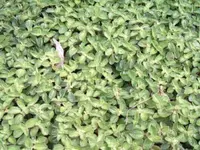
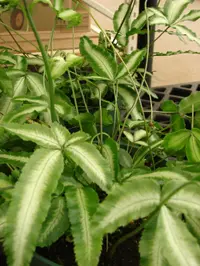
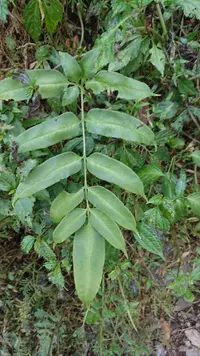
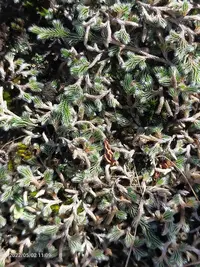
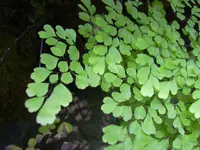
Drege's spikemoss, Selaginella dregei, is a small, fern-like spore plant often grown as a dense, cushiony groundcover or in shaded containers and terrariums. It forms low, spreading mats of finely divided, bright to deep green foliage that gives a soft, mossy look, although it is not a true moss.

This species occurs naturally in parts of southern Africa, where it grows in moist, shaded habitats with high humidity. Its preference for constant, even moisture and dislike of drying out make it moderately challenging for forgetful waterers.

Those who learn how to care for Drege's Spikemoss find that it adapts well to stable indoor conditions with soft light, high humidity, and loose, well-drained but consistently damp soil.

Main Plant Requirements

Care Difficulty

Hard Care

Light Preference

Bright Indirect Light

Water Requirements

Keep Soil Moist

Temperature Preference

Tropical / Frost Sensitive

Hardiness Zone

10–11

Soil Texture

Loamy, Peaty, Organic-rich

Soil pH

Acidic (5.5–6.5)

Soil Drainage

Moist but well-drained

Fertilization

Light (every 4–6 weeks)

Get Personalized Care Plan

Scan your plant to receive care tips personalized for your specific plant

Available on iOS and Android

How to Care for the Drege's Spikemoss

This shade-loving fern ally prefers soft, indirect light that mimics a forest floor habitat.

  • Provide bright, filtered light or dappled shade, such as 2–4 hours of gentle morning sun under a tree canopy or sheer curtain, avoiding direct midday sun.
  • Tolerates deep shade but growth becomes sparse and pale; increase light gradually if stems stretch or foliage loses its deep green color.
  • Outdoors, site Drege's Spikemoss on the north or east side of buildings; in summer, protect from strong afternoon sun that can scorch and dry fronds.

This species needs consistently moist, never dry, soil to maintain healthy foliage and stems.

  • Water whenever the top 1–2 cm of soil feels just barely starting to dry, and avoid allowing the root zone to dry out fully between waterings.
  • Use a loose, humus-rich mix that drains freely but holds moisture; water slowly until soil is evenly moist and excess has drained away.
  • In warmer months, monitor more often as moisture is lost faster; drooping, crisp tips indicate underwatering, while yellowing, limp stems and sour smell suggest overwatering in Selaginella dregei.

This plant thrives in mild, consistently cool to warm temperatures without sharp swings.

  • Aim for 60–75°F (16–24°C) for active growth, with higher humidity helping the foliage tolerate the upper end of this range.
  • Protect from cold; growth slows below about 50°F (10°C) and foliage can be damaged near 40°F (4°C), with true frost likely to kill stems.
  • In hot spells above 80°F (27°C), move to deeper shade, increase humidity, and keep soil evenly moist to prevent heat stress and leaf scorch; avoid placing near heaters or cold drafts.

This species needs consistently high humidity to stay dense and green.

  • Aim for 60–80% humidity; lower levels quickly dry leaf tips and edges.
  • Crisping, browning fronds and slowed growth indicate humidity stress, especially near vents or heaters.
  • Increase humidity with a pebble tray, nearby humidifier, or grouping plants rather than misting alone.

Selaginella dregei prefers loose, moisture-retentive but airy substrate.

  • Use a mix of 50% peat or coco coir, 30% fine bark, and 20% perlite for organic-rich, spongy structure.
  • Keep drainage moderate; soil should stay evenly moist yet never waterlogged or sour-smelling.
  • Aim for slightly acidic pH around 5.5–6.5 to support nutrient uptake and healthy root growth.
  • Avoid heavy clay, compaction, or mixes dominated by sand that dry out quickly and suffocate delicate roots.

This species is well suited to container growing due to its shallow, spreading root system.

  • Choose a wide, shallow pot to match its creeping habit and keep moisture distribution even across the surface.
  • Use plastic or glazed ceramic containers if slower moisture loss is needed, especially in dry homes.
  • Elevate the pot on feet or a stand so drainage holes stay clear and excess water runs off freely.

This nutrient-sensitive fern ally benefits from light feeding under controlled conditions rather than heavy fertilization.

  • Use a balanced liquid fertilizer (around 10-10-10) at 1/4–1/2 strength for caring for Drege's Spikemoss in active growth.
  • Apply every 4–6 weeks during spring–summer, only on moist soil to avoid root burn.
  • Skip or reduce feeding to 1 application in late autumn if growth slows noticeably.
  • Avoid compost or strong slow-release products, which can accumulate salts in shallow, fine roots.

Light pruning helps maintain a compact, healthy mat in Selaginella dregei.

  • Trim back leggy or overly long stems in spring or early summer to keep a dense, cushion-like shape.
  • Pinch or cut only soft tips using clean scissors to limit tissue damage.
  • Remove dead, browned, or damaged fronds promptly to reduce fungal problems.
  • Thin crowded patches slightly to improve airflow without exposing bare soil.

Container-grown plants need careful, infrequent repotting to avoid disturbing the fine root system.

  • Check for roots circling the pot, slow growth despite good care, or drying out very quickly as signs it needs more space.
  • Plan repotting for early spring, about every 2–3 years, moving only 1 pot size up.
  • Use a shallow, wide container with moisture-retentive, well-drained mix, and keep the original root ball as intact as possible.
  • Water gently after shifting, keep humidity high, and shade from strong light for 1–2 weeks to reduce transplant stress.

This species is most commonly propagated vegetatively rather than from spores or seed.

  • Take 5–8 cm tip cuttings in spring–summer, including several nodes, and lay them on moist, sterile mix so nodes contact the surface.
  • Maintain high humidity (60–80%) and bright, indirect light until new growth appears, indicating rooting.
  • Division of dense mats works in spring; slice the clump into sections with roots attached and replant at original depth.
  • Keep new divisions or cuttings evenly moist, never waterlogged, to avoid rot while roots establish.

This plant is frost-sensitive and needs mild, protected winter conditions.

  • For outdoor containers, move plants indoors before temperatures drop near 40°F, placing them in bright, indirect light.
  • Keep indoor temperatures around 60–70°F with stable humidity to prevent frond dieback.
  • If grown in the ground in mild climates, insulate the root zone lightly with leaf mulch and avoid freezing exposure.

Care Tips

Shallow dish planting

Use a wide, shallow pot and allow stems to creep over the surface, then very lightly top-dress exposed roots with fine peat-based mix to encourage dense, mat-forming growth.

Edge moisture management

If pot edges dry faster than the center, create a 1–2 cm ring of moistened sphagnum moss around the inner rim to buffer moisture loss without waterlogging the root zone.

Dividing without shock

When dividing a clump, slice it into sections with a clean, sharp knife while the soil is slightly moist, then immediately replant and cover the surface with a clear humidity dome for 5–7 days to reduce transplant stress.

Humidity tent use

For short dry spells or during central heating use, set the plant in a tray and build a loose clear-plastic tent with vents at the top, ensuring plastic never touches foliage to raise local humidity safely.

Routine foliage inspection

Inspect the fronds from below every 1–2 weeks for spider mites or fungal spotting and, at the first sign, rinse foliage gently under lukewarm water and improve air movement around the plant to protect long-term Selaginella dregei plant care.

Common Pests and Diseases

Spider mites

This pest thrives on Selaginella foliage in warm, dry indoor air and feeds by piercing leaf tissues, leading to fine stippling, dull color, and webbing between stems. Symptoms include slowed growth, leaf edge browning, and a generally dusty appearance on fronds.

Solution

Rinse the plant thoroughly under a gentle shower or sink spray, focusing on leaf undersides, then increase humidity to 60–80% and lower heat stress if possible. For persistent infestations, use repeated applications of insecticidal soap or horticultural oil at 5–7 day intervals, and isolate the plant from others during treatment.

Fungus gnats

These insects breed in chronically moist potting mixes and their larvae feed on organic matter and fine roots, which can stress this shallow-rooted species. Symptoms include tiny black flies hovering near the soil surface, slow growth, and yellowing or wilting despite wet soil.

Solution

Allow the top 1–2 cm of the substrate to dry slightly between waterings while still keeping the root zone evenly moist, and improve drainage in the pot. Use yellow sticky traps to reduce adult populations and apply a biological control such as Bacillus thuringiensis israelensis (Bti) or beneficial nematodes to target larvae in the soil.

Botrytis blight

This disease appears in dense, humid, poorly ventilated conditions as soft, water-soaked patches on stems or foliage that turn brown and develop gray fuzzy mold. Symptoms include collapsing fronds, a musty odor, and rapid spread in crowded plantings.

Solution

Remove and discard all affected tissues promptly, avoiding contact with healthy parts, and improve air circulation by spacing plants and using a small fan on low. Reduce overhead watering, water early in the day so foliage dries quickly, and if spread continues, apply a labeled fungicide suitable for ornamental ferns and Selaginella, following directions closely.

Bacterial leaf spot

This disease causes small, translucent water-soaked lesions on delicate leaves that enlarge into irregular brown spots with yellowish halos. Symptoms include patchy, thinning fronds and localized dieback, especially in areas frequently splashed with water.

Solution

Prune out affected fronds with sterilized scissors, then avoid overhead watering and instead irrigate at the soil line to keep foliage dry. Improve air movement around the plant, avoid crowding, and discard severely affected plants rather than attempting aggressive chemical control, which is often ineffective indoors for Selaginella dregei care.

Interesting Facts

Mat-forming spike moss

This species forms dense, low mats with creeping stems that root at the nodes, creating a natural ground-hugging carpet rather than upright clumps like many other Selaginella species.

Dimorphic leaf pattern

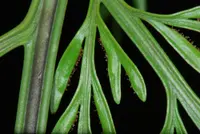
It shows clear leaf dimorphism, with slightly different-sized leaves on the upper and lower sides of the stems, giving the foliage a textured, almost fern-like appearance when viewed from above.

Afro-montane origin

It is naturally distributed in moist, shaded habitats of southern African highlands, where it grows on forest floors and rocky banks under consistently cool, humid conditions.

FAQs about Drege's Spikemoss

This species adapts to both, but performs best in sheltered, humid, shaded outdoor spots in mild climates. Indoors, it prefers stable warmth and humidity, such as terrariums, where Drege's Spikemoss indoor care is easier to control.

Grow Healthy Plants with Botan Care

Keep your plants happy and healthy with plant identification, disease detection, and easy care guidance.

Botan plant care app — identify plants on mobile

Explore More Plants