


Divide clumps carefully
Every 3–4 years, lift and divide congested rhizome clumps at the start of warm weather, keeping 2–3 healthy shoots per division and replanting immediately to maintain vigorous growth and flowering.

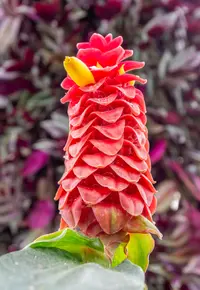
Spiral ginger, Costus barbatus, is a tropical rhizomatous perennial grown mainly for its bold foliage and striking red and yellow cone-like flower spikes. It forms upright, spiral stems with broad, lush green leaves that give a strong architectural look in gardens or large containers.
This species is native to Central America, especially Costa Rica, where it grows in warm, humid forest environments. It is moderately easy to grow if its need for consistent warmth, moisture, and rich, well-drained soil is met.
Gardeners who care for spiral ginger should note that it dislikes cold, dry air and drought, which can slow growth and reduce flowering.

Care Difficulty
Moderate Care

Light Preference
Partial Shade

Water Requirements
Keep Soil Moist

Temperature Preference
Tropical / Frost Sensitive

Hardiness Zone
10–11

Soil Texture
Loamy, Organic-rich

Soil pH
Acidic (5.5–6.5), Slightly acidic (6.5–7.0)

Soil Drainage
Moist but well-drained

Fertilization
Light (every 4–6 weeks)
Scan your plant to receive care tips personalized for your specific plant
Available on iOS and Android
Costus barbatus thrives in bright, filtered light that mimics an understory tropical habitat.
Costus barbatus prefers consistently moist but not waterlogged soil.
This species grows best in warm, frost-free conditions with stable temperatures.
This species prefers consistently warm, humid air similar to tropical understory conditions.
This plant grows best in loose, moisture-retentive but fast-draining, organic-rich soil.
This species is well suited to container growing, especially in warm climates or protected patios.
Costus barbatus benefits from moderate feeding during the warm growing season to support lush foliage and flowering.
Pruning Costus barbatus keeps the clump tidy and encourages strong new shoots.
Repotting or transplanting Costus barbatus helps manage vigorous rhizome growth and maintain healthy roots.
Costus barbatus is commonly multiplied by division and stem cuttings under warm, humid conditions.
Costus barbatus is frost-tender and needs protection in regions with cold winters.

Plant Health Check
Not sure what's wrong with your plant? Check your plant's health inside the app.
This species develops dense, bright red cone-like inflorescences made of overlapping bracts, with small yellow flowers emerging from between the bracts over time, which makes it highly attractive to hummingbirds in its native range in Costa Rica.
The leafy stems grow in a distinct spiral around the cane-like shoot, a growth pattern that increases light capture efficiency for the foliage in partially shaded tropical forest conditions and is characteristic of the genus Costus but visually especially pronounced in this species.
Costus barbatus is native to moist montane and premontane forests of Costa Rica, where it typically grows along forest edges and clearings in warm, humid, high-rainfall environments rather than in deep, dark understory shade.

In its native Costa Rican habitats, Costus barbatus is an important nectar source for several hummingbird species, which in turn are the primary pollinators of its tubular yellow flowers emerging from the red bracts, forming a specialized bird–plant interaction that helps maintain genetic exchange between distant clumps.
Lack of blooms usually comes from insufficient light, cool temperatures, or low nutrients. Older canes flower more reliably, so avoid cutting stems too often. Consistent warmth, bright shade, and balanced fertilizer support bud formation and long bracts.
Keep your plants happy and healthy with plant identification, disease detection, and easy care guidance.

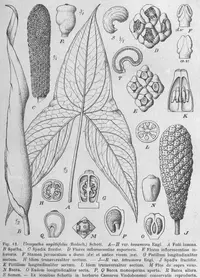
Urospatha sagittifolia
Urospatha sagittifolia
Gloxinia erinoides
Gloxinia erinoides

Tuberous Begonia
Begonia × tuberhybrida
Bromeliad
Vriesea incurvata
Bleeding glory-bower
Clerodendrum thomsoniae
western blue-eyed grass
Sisyrinchium bellum
sun cactus
Disocactus speciosus

Rose Painted Calathea
Goeppertia roseopicta 'Dottie'