fetid passionflower Care (Passiflora foetida)

Also known as: stinking passionflower, love-in-a-mist passionflower, Corona de Cristo, running pop, Wild passion fruit, Love-In-A-Mist, Stinking Granadilla, Wild Water Lemon
fetid passionflower

About fetid passionflower

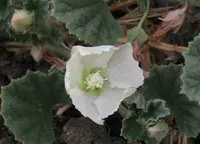
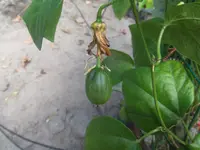
Fetid passionflower (Passiflora foetida) is a fast-growing, scrambling vine in the passionflower family, often found in warm, frost-free regions. It produces delicate, fringed white to pale pink flowers followed by round, berry-like fruits enclosed in a lacy, bristly cage of leafy bracts. Native to tropical and subtropical areas of the Americas, it has naturalized widely in many parts of the world, sometimes behaving as a weed. The plant grows quickly, self-seeds easily, and can spread aggressively if not managed. It prefers bright light, warmth, and well-drained soil, which makes it relatively simple to care for fetid passionflower in suitable climates.

Main Plant Requirements

Care Difficulty

Moderate Care

Light Preference

Full Sun

Water Requirements

Moderate Water

Temperature Preference

Tropical / Frost Sensitive

Hardiness Zone

9–11

Soil Texture

Sandy, Loamy, Organic-rich

Soil pH

Acidic (5.5–6.5), Slightly acidic (6.5–7.0)

Soil Drainage

Well-drained

Fertilization

Minimal (feed rarely)

Get Personalized Care Plan

Scan your plant to receive care tips personalized for your specific plant

Available on iOS and Android

How to Care for the fetid passionflower

This vigorous vine prefers bright, direct sun but tolerates some light shade in hot regions.

  • Provide 6–8 hours of sun daily, ideally strong morning sun with light afternoon shade in areas above 90°F (32°C).
  • In cooler climates, full sun all day promotes dense growth and flowering of fetid passionflower, but monitor for leaf scorch on exposed, reflective sites.
  • In summer, protect from harsh west-facing sun with trellises or nearby plants; in winter, avoid deep shade that reduces flowering and fruit set.

This species prefers evenly moist but not saturated soil once established in the ground.

  • Water when the top 3–5 cm of soil feels dry, then soak the root zone thoroughly so moisture reaches 15–20 cm deep.
  • In hot, dry periods, check soil more often; in cool or rainy seasons, extend intervals and let the surface dry to limit fungal issues on Passiflora foetida roots.
  • Watch for yellowing, soft leaves as a sign of overwatering and wilted, crisp foliage as underwatering; improve drainage if water pools for more than 30 minutes.

This tropical vine thrives in warm conditions and is sensitive to frost and prolonged cold.

  • Optimal growth occurs around 70–85°F (21–29°C), with active vining and flowering during consistently warm months.
  • The plant is damaged below about 32°F (0°C); light frost may kill top growth, but roots can resprout if soil does not freeze deeply.
  • It tolerates short heat spikes up to 95–100°F (35–38°C) if soil moisture is maintained, but extreme, dry heat can scorch leaves and slow growth.

This species handles a wide humidity range but grows best with moderate moisture in the air.

  • Aim for 40–60% humidity; brief dips lower are tolerated, especially outdoors.
  • Dry indoor air can cause curled leaf edges and browning tips on new growth.
  • Increase humidity with nearby trays of water and stones, grouped plants, or a short daily misting in hot, dry weather.

Passiflora foetida prefers airy, sharply drained soil that still retains moderate moisture.

  • Use a loose mix such as 40% peat- or coir-based potting mix, 30% compost, and 30% perlite or coarse sand for structure and drainage.
  • Aim for slightly acidic to neutral pH, roughly 6.0–7.0, to support nutrient availability and root function.
  • In heavy native clay, raise the planting area and blend in coarse sand and compost to improve aeration and root penetration.
  • Avoid compacted, waterlogged, or purely clay soils, which promote root rot and weak, chlorotic growth.

This species adapts well to container growing when given support and stable moisture conditions.

  • Choose a deep, wide pot to accommodate vigorous roots and reduce the risk of the plant becoming root-bound midseason.
  • Use a heavier material such as ceramic or thick plastic to keep the vigorous vine from tipping when it climbs a trellis or support.
  • Raise the pot slightly on feet or bricks so drainage holes stay clear and excess water leaves the mix quickly after heavy rain or watering.

Light feeding supports vigorous growth and flowering in Passiflora foetida without creating excessive leafy growth.

  • Use a balanced liquid fertilizer (around 10-10-10) at 1/2 strength every 3–4 weeks during the warm growing season.
  • Alternatively, apply a thin layer of compost or a low-dose slow-release fertilizer in spring for container plants.
  • Reduce or stop feeding in fall and winter when growth slows or the plant becomes partially dormant.
  • Always water before applying fertilizer to avoid root burn and keep salts from building up in pots.

Targeted pruning keeps Passiflora foetida manageable and encourages flowering shoots.

  • Do main shaping and size control in late winter or early spring before strong new growth starts.
  • Remove dead, damaged, tangled, or overcrowded vines with sharp, clean bypass pruners or shears.
  • Shorten overly long stems to side shoots to encourage bushier growth and more flowering points.
  • Trim spent or weak growth through the season to maintain airflow and reduce disease risk on dense tangles.

This vigorous vine often benefits more from careful transplanting outdoors than frequent repotting in containers.

  • Transplant Passiflora foetida in spring once frost risk has passed and soil has warmed.
  • Move or pot up when roots circle the container, growth stalls, or watering frequency increases sharply.
  • Shift to a pot only 1–2 sizes larger, or transplant into well-drained, fertile ground with support in place.
  • Keep as much root ball intact as possible, water thoroughly, and shade lightly for 3–5 days to reduce transplant shock.

Passiflora foetida is commonly propagated from both seeds and softwood cuttings under warm conditions.

  • Sow fresh seeds in late winter to spring in a light, well-drained mix at 70–80°F and keep evenly moist.
  • Lightly scarify or soak seeds for 12–24 hours to improve germination where seed coats are hard.
  • Take 8–10 cm softwood cuttings in late spring to summer, remove lower leaves, and use rooting hormone.
  • Place cuttings in humid, bright shade and warm temperatures until firm new growth signals rooting.

This subtropical vine is frost-sensitive and needs protection in climates with freezing winters.

  • In mild zones, add 5–8 cm of mulch over the root zone in late fall to buffer temperature swings.
  • In colder areas, treat as an annual outdoors or overwinter container plants indoors in bright, cool conditions.
  • Before first frost, move pots to a frost-free space and reduce watering while keeping roots slightly moist.
  • If top growth dies back after light frost, leave mulch in place; regrowth may occur from surviving roots.

Care Tips

Encourage Climbing

Install a sturdy trellis, fence, or wire mesh before planting so the vine can attach from an early stage, which keeps stems off the ground and reduces rot and pest issues.

Controlled Spreading

Regularly remove unwanted runners and self-sown seedlings at the edges of beds so the plant does not overtake nearby shrubs or crops, especially in warm climates where it can spread quickly.

Supportive Pruning

Lightly thin congested stems during active growth to improve air movement through the foliage, which helps lower the risk of fungal issues without removing too much flowering wood.

Fruit Protection Netting

Use fine mesh bags or lightweight netting around ripening fruits to reduce damage from birds and insects while still allowing air flow and light penetration.

Monitor Sticky Trichomes

Check the sticky bracts and hairs around buds and fruits for trapped insects and debris, and if they appear to encourage ant activity, prune affected sections and reduce nearby ant access when caring for fetid passionflower.

Common Pests and Diseases

Heliconius caterpillars

This pest commonly feeds on leaves of wild Passiflora species, creating large holes and ragged edges. Symptoms include rapid defoliation on young shoots and tender foliage.

Solution

Handpick caterpillars and remove heavily chewed leaves, especially on young plants, and encourage or protect natural predators such as birds and predatory wasps. Where defoliation is heavy, use a targeted Bacillus thuringiensis (Bt) product on the foliage, following label directions, and avoid broad-spectrum insecticides that can disrupt beneficial insects important for growing fetid passionflower outdoors.

Passionvine bugs

These insects, often red-and-black leaf-footed or coreid bugs, suck sap from shoots, flower buds, and developing fruit, leading to distorted growth and premature fruit drop. This pest is particularly common on wild and weedy Passiflora stands in warm climates.

Solution

Physically remove nymph clusters and adults into soapy water and prune out heavily infested shoots or fruit. Keep plantings less dense to reduce hiding places, and use fine insect netting around high-value vines if pressure is severe, avoiding flowering clusters to maintain pollinator access.

Spider mites

These insects are tiny sap-feeders that appear during hot, dry weather, causing stippled, yellowed leaves and fine webbing on the undersides. Symptoms include dull, bronzed foliage and premature leaf drop on stressed vines.

Solution

Rinse foliage thoroughly with a strong but gentle stream of water, focusing on leaf undersides, and repeat every few days to disrupt the population. Increase humidity around container plants, remove heavily damaged leaves, and, if needed, apply insecticidal soap or horticultural oil, making sure leaves dry quickly to avoid fungal issues.

Passionflower fusarium wilt

This disease, caused by soil-borne Fusarium fungi, enters through roots and blocks water transport, leading to sudden wilting, yellowing, and dieback of one side of the vine or individual stems while the soil remains moist. Symptoms include brown discoloration in the vascular tissue when stems are cut lengthwise.

Solution

Remove and destroy affected plants and roots, and avoid replanting Passiflora in the same spot for several years. Improve soil drainage, avoid overwatering and root damage, and use clean tools and potting media for any new vines to reduce reinfection risk.

Anthracnose leaf spot

This disease produces tan to dark-brown sunken lesions with darker edges on leaves, stems, and sometimes fruit, especially in warm, humid conditions. Symptoms include irregular spots that may merge, causing leaf yellowing and drop from the lower canopy upward.

Solution

Prune and dispose of infected leaves and stems, and water at the base to keep foliage as dry as possible. Improve airflow by spacing vines, avoid overhead watering late in the day, and apply a copper-based fungicide preventively during extended wet or humid periods if the plant has a history of recurring infections.

Interesting Facts

Ant-trapping leaf hairs

The plant’s young leaves and flower buds are surrounded by sticky, bristly hairs that trap small insects, which may reduce herbivory and fungal infection rather than serve as true carnivory.

Inflated protective bracts

Each flower and fruit is enclosed in an inflated, lace-like bract that partly hides the developing fruit and likely protects it from small herbivores and intense sun while still allowing pollinators access.

Weedy global spread

Native to the Americas, this species has naturalized widely across tropical and subtropical regions, where it often behaves as a weed in disturbed sites, roadsides, and crop margins due to its fast growth and efficient seed dispersal by birds.

Botan icon

Did you know?

In parts of South and Southeast Asia, the sticky, insect-trapping foliage has led to local use of the plant as a simple biological barrier against certain crop pests, planting it along field edges to intercept insects moving toward cultivated plants.

FAQs about fetid passionflower

This vine can spread quickly by seeds and sprawling stems, especially in frost-free climates. In some warm regions it is considered weedy or invasive. Regular pruning and prompt removal of unwanted seedlings help keep it contained.

Grow Healthy Plants with Botan Care

Keep your plants happy and healthy with plant identification, disease detection, and easy care guidance.

Botan plant care app — identify plants on mobile

Explore More Plants