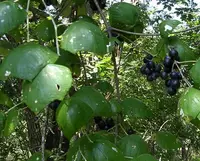
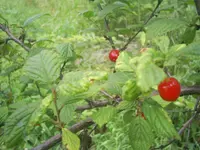
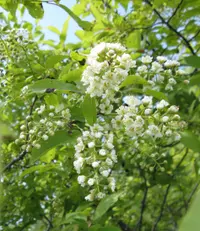
Low trellis support
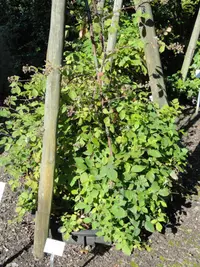
Provide a low mesh or wire trellis 10–20 cm above the soil so stems can sprawl but fruit clusters stay lifted off wet ground, which reduces rot and makes harvest easier.

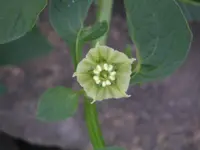
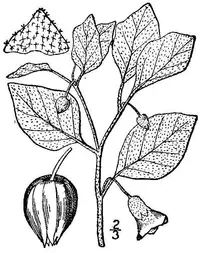
Creeping false holly (Jaltomata procumbens) is a low, spreading herbaceous plant from the nightshade family, grown mainly for its small edible berries. It typically forms loose mats of thin stems with simple green leaves and modest, star-shaped flowers that develop into shiny berries.
This species occurs naturally from Mexico through parts of Central and South America, often in disturbed or semi-wild habitats. It is usually easy to manage in mild climates, as it grows quickly and self-seeds, but this vigor can make it somewhat weedy in ideal conditions.
It generally prefers sun to light shade, moderate moisture, and well-drained soil. Gardeners who want to learn how to care for creeping false holly should monitor its spread and unwanted reseeding.

Care Difficulty
Moderate Care

Light Preference
Full Sun

Water Requirements
Moderate Water

Temperature Preference
Warm Climate

Hardiness Zone
9–11

Soil Texture
Sandy, Loamy, Organic-rich

Soil pH
Acidic (5.5–6.5), Slightly acidic (6.5–7.0)

Soil Drainage
Well-drained

Fertilization
Light (every 4–6 weeks)
Scan your plant to receive care tips personalized for your specific plant
Available on iOS and Android
Jaltomata procumbens grows best in bright outdoor conditions with protection from harsh midday sun.
This plant prefers consistently moist but not waterlogged soil throughout the growing season.
This species prefers mild, frost-free conditions for steady growth and fruiting.
This species handles a broad humidity range but grows best with moderate ambient moisture.
This plant prefers loose, well-aerated, consistently moist but not waterlogged soil.
This species adapts well to containers when given enough root space and consistent moisture management.
Jaltomata procumbens responds well to light, steady feeding during its active growing season.
Pruning Jaltomata procumbens is mainly used to manage size and keep the plant healthy and flowering.
This species is often grown in the ground, but container plants benefit from occasional transplanting to maintain vigor.
Jaltomata procumbens is commonly propagated from seed and softwood cuttings under warm, stable conditions.
Winter care for this plant depends on climate, as it is sensitive to hard frost and prolonged freezing.

Plant Health Check
Not sure what's wrong with your plant? Check your plant's health inside the app.
This species is a small-fruited member of the nightshade family (Solanaceae) whose ripe purple to almost black berries are traditionally eaten in parts of Mexico and Central America, especially in sauces and beverages. As with other edible nightshades, only fully ripe fruits are consumed, while green fruits are avoided.
Although the flowers are self-compatible, meaning a single plant can set fruit with its own pollen, studies show it often benefits from cross-pollination by insects, which can increase fruit and seed production. The flowers produce nectar that attracts small bees and other pollinators.
Wild populations commonly grow on disturbed slopes and field margins at mid to high elevations in Mesoamerica, tolerating strong sun, fluctuating temperatures, and relatively poor soils. This tolerance makes it useful in breeding research on stress resistance within the Solanaceae family.

Chemical analyses of the ripe fruits have shown notable levels of antioxidant phenolic compounds and carotenoids, which has led to research interest in this species as a potential underutilized crop for nutrition and breeding within the tomato and pepper relatives.
This species spreads by trailing stems and self-seeding, but is usually not aggressive in typical garden settings. In fertile, undisturbed soil it can form wide patches, so periodic thinning and removing unwanted seedlings helps keep it contained.
Keep your plants happy and healthy with plant identification, disease detection, and easy care guidance.