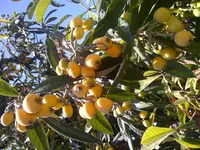
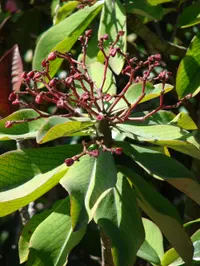
Allophylus edulis Care

Allophylus edulis

About Allophylus edulis

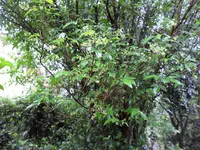
Allophylus edulis is a small tree or large shrub from the soapberry family, often grown for its edible berries and light, airy foliage. It typically has a rounded, branching crown with trifoliate leaves that give it a fine-textured look in the landscape.

This species is native to parts of South America, where it grows in warm, humid regions and open woodlands. It adapts best to mild climates, with moderate growth speed and relatively good resilience once established.

For home growers, it is moderately easy to manage if given well-drained soil, regular moisture, and bright light. Understanding how to care for Allophylus edulis starts with matching its preference for warmth and avoiding prolonged cold or waterlogged conditions.

Main Plant Requirements

Care Difficulty

Moderate Care

Light Preference

Full Sun

Water Requirements

Moderate Water

Temperature Preference

Warm Climate

Hardiness Zone

9–11

Soil Texture

Sandy, Loamy, Organic-rich

Soil pH

Acidic (5.5–6.5), Slightly acidic (6.5–7.0)

Soil Drainage

Well-drained

Fertilization

Minimal (feed rarely)

Get Personalized Care Plan

Scan your plant to receive care tips personalized for your specific plant

Available on iOS and Android

How to Care for the Allophylus edulis

This species prefers bright exposure with some protection from harsh midday sun.

  • Provide 4–6 hours of direct morning sun with light afternoon shade; in hotter regions, use dappled or filtered light after 11 a.m. to prevent leaf scorch.
  • Allophylus edulis tolerates partial shade (2–4 hours of sun), but growth becomes looser and fruiting may decline with very low light.
  • In summer, watch for pale, crispy leaves as a sign of excess sun; in winter, maximize light by avoiding deep shade from buildings or evergreens.

This shrub prefers evenly moist but not saturated soil.

  • Before watering, let the top 3–5 cm of soil dry, then water deeply so moisture reaches the full root zone, especially during the first 2–3 growing seasons.
  • Use well-drained soil or a planting site that does not stay soggy; persistent wetness, yellowing leaves, and soft stems indicate overwatering or poor drainage.
  • In hot, dry periods, expect faster drying and more frequent watering; in cool or rainy seasons, extend intervals and watch for wilting or curling leaf edges as signs of drought stress.

This species prefers warm, frost-free conditions for reliable growth.

  • Best growth occurs around 65–85°F (18–29°C), typical of mild to warm subtropical climates with long growing seasons.
  • The shrub is sensitive to freezing; brief drops to 30–32°F (-1–0°C) may damage young shoots, and harder frosts can kill branches or entire plants.
  • In regions with hot summers above 90°F (32°C), provide mulch to cool the root zone and some afternoon shade to limit heat and drought stress on foliage.

This species prefers moderate air moisture but usually adapts to typical home humidity.

  • Aim for 40–60% humidity to reduce leaf edge browning under warm indoor conditions.
  • Tolerates short dry spells but prolonged air below 30% can cause curled, crispy leaf tips and slowed growth.
  • Increase humidity with a nearby open tray of water and stones or by grouping plants, rather than misting foliage directly.

Allophylus edulis prefers a loose, well-drained, moderately fertile substrate.

  • Use a loamy mix with noticeable structure, such as 2 parts peat-free potting mix, 1 part coarse sand, and 1 part perlite or fine bark.
  • Ensure rapid drainage so water does not pool around the roots longer than 20–30 minutes after watering.
  • Aim for slightly acidic to neutral pH, roughly 6.0–7.0, to support balanced nutrient uptake.
  • Avoid compacted, heavy clay or mixes high in un-composted organic matter that stay wet and exclude air from the root zone.

This species is suitable for container growing when given enough root volume and stable support.

  • Choose a deep, slightly heavier pot to prevent tipping as the woody stems elongate and gain canopy mass.
  • Select pot materials that match your climate, using unglazed clay in humid areas and plastic or glazed ceramic in hot, dry sites to reduce evaporation.
  • Raise the container on feet or bricks so drainage holes stay clear and oxygen can reach the lower root zone.

This species grows on relatively lean soils, so use light feeding to support container or intensively grown Allophylus edulis.

  • Apply a balanced liquid fertilizer (around 10-10-10) at 1/2 strength every 4–6 weeks during spring–summer for potted plants.
  • Use a slow-release fertilizer or thin layer of compost on outdoor specimens once each spring if growth seems weak.
  • Skip feeding in late fall–winter to avoid forcing soft, frost-sensitive growth.
  • Always water before and after fertilizing to limit root burn and improve nutrient uptake.

Pruning helps maintain structure and clearance without harming Allophylus edulis when done at the right time.

  • Schedule main pruning in late winter or very early spring, before vigorous new growth starts.
  • Remove dead, diseased, or storm-damaged branches first, using sharp, clean bypass pruners or a small saw.
  • Thin crossing or crowded branches to improve light penetration and airflow through the canopy.
  • Shorten overly long shoots to shape the crown, keeping cuts just above a healthy outward-facing bud.

This species is usually grown in the ground, so focus on careful transplanting rather than frequent repotting for Allophylus edulis.

  • Transplant in early spring or early fall when temperatures are mild and soil is workable.
  • Look for signs such as roots circling the pot, water running off quickly, or slowed growth in containers.
  • Move to a hole or container only 1–2 sizes larger, keeping the root ball intact and at the same soil level.
  • Water deeply after planting, then keep soil evenly moist and shaded for 1–2 weeks to reduce transplant shock.

New Allophylus edulis plants are most often raised from seed, with cuttings as a secondary option.

  • Collect ripe berries, clean seeds, and sow them fresh in spring in a free-draining, slightly moist mix.
  • Provide warm conditions around 70–77°F and bright, indirect light to support uniform germination.
  • Use semi-ripe stem cuttings in late spring–summer, trimming just below a node and removing lower leaves.
  • Insert cuttings into a well-aerated medium, maintain high humidity, and keep the base slightly warm to encourage rooting.

In mild to warm climates this species needs little winter attention, but young or container-grown Allophylus edulis benefits from simple precautions.

  • Mulch the root zone with 5–8 cm of bark or leaf mold in late fall, keeping mulch away from the trunk.
  • In regions with light frost, wrap young stems with breathable horticultural fleece during cold snaps.
  • Move container plants under shelter or indoors to a cool, bright, frost-free spot until temperatures stabilize.

Care Tips

Formative framework pruning

During the first 2–3 years, select 3–5 strong primary branches and remove crowded or crossing shoots at the end of winter to build a stable open framework that supports fruiting and good air flow.

Fruit thinning practice

If branches set very dense clusters of berries, remove some developing fruit by hand so that remaining clusters size up better and reduce stress on young or slender shoots.

Mulch for root moderation

Apply a 5–8 cm layer of organic mulch around but not touching the trunk to buffer soil temperature, reduce evaporation, and protect the relatively shallow feeder roots from heat and mechanical damage.

Wind exposure management

In open or windy sites, use a low, breathable windbreak or temporary staking for the first 1–2 years to reduce branch breakage and improve establishment while growing Allophylus edulis.

Preventive pest scouting

From spring through late summer, inspect the undersides of leaves and new growth every 1–2 weeks for scale insects or chewing damage, addressing small infestations early with targeted treatments like horticultural oil rather than waiting for heavy damage.

Common Pests and Diseases

Fruit fly infestation

These insects are attracted to the sweet, fleshy fruits and lay eggs inside, leading to soft, discolored, and wormy berries. Symptoms include premature fruit drop and rapid fruit spoilage after ripening.

Solution

Collect and destroy infested and fallen fruits frequently, and avoid leaving overripe berries on the plant or ground. Use fine mesh bags around fruit clusters or install baited traps nearby to reduce adult populations, and keep the area under the shrub clean to interrupt the life cycle when caring for Allophylus edulis.

Scale insects

This pest attaches to stems and leaf undersides as small, immobile bumps, sucking sap and causing yellowing, leaf drop, and weak growth. Honeydew excretions can lead to sooty mold on leaves and branches.

Solution

Prune heavily infested twigs and discard them, then wipe remaining colonies with cotton pads dipped in diluted alcohol or insecticidal soap. For outdoor specimens, encourage natural predators such as lady beetles and maintain good air circulation to reduce stress on the plant.

Leaf spot

This disease causes circular to irregular brown or purplish lesions on leaves, sometimes with a lighter center and yellow halo. Symptoms include premature leaf drop and a generally thin canopy when infections are severe.

Solution

Remove and discard affected leaves, including fallen ones, to reduce the source of spores, and avoid overhead watering to keep foliage as dry as possible. Improve spacing and airflow around the shrub, and in persistent cases apply a copper-based fungicide according to label directions during the early stages of new growth.

Anthracnose

This disease leads to dark, sunken lesions along young stems, leaf veins, and sometimes on fruit stalks, which can cause twig dieback and distorted new growth. In humid conditions, infected areas may show darker, slightly depressed patches that spread along shoots.

Solution

Prune out and destroy infected twigs and branches back to healthy wood, disinfecting tools between cuts, and remove plant debris from the soil surface. Reduce overhead irrigation, increase airflow, and, if outbreaks recur, use a registered broad-spectrum fungicide at budbreak and repeat as recommended on the label.

Interesting Facts

South American range

This species is naturally distributed across southern Brazil, Paraguay, Uruguay, northeastern Argentina, and adjacent areas, where it grows in forest edges, riverbanks, and secondary woodland.

Berry-like edible fruits

It produces small red to dark purple drupes with a sweet to slightly resinous taste that are eaten locally fresh or processed into products such as jams and liqueurs.

Food for wildlife

The flowers provide nectar for insects, and the fruits are consumed by birds and small mammals, which help disperse the seeds and support regeneration of disturbed habitats.

Botan icon

Did you know?

In some parts of southern Brazil and neighboring regions, this species is used as a traditional rootstock for grafting other fruiting species, taking advantage of its adaptability to local soils and climates.

FAQs about Allophylus edulis

The small red berries are edible and traditionally used fresh or processed into jams and drinks. Flavor is mildly sweet to slightly acidic. As with any wild-type fruit, avoid unripe or spoiled material and introduce it to diets gradually.

Grow Healthy Plants with Botan Care

Keep your plants happy and healthy with plant identification, disease detection, and easy care guidance.


Botan plant care app — identify plants on mobile

Explore More Plants