Mulch With Pine
Apply a 5–8 cm layer of pine needles or shredded pine bark around the root zone each spring to help maintain the naturally acidic, sandy conditions this shrub prefers and to suppress weeds without disturbing its shallow roots.

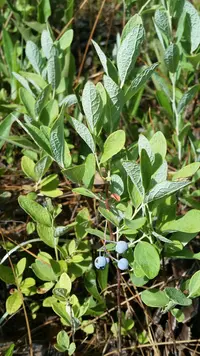
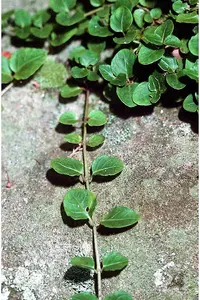
Confederate huckleberry, Gaylussacia nana, is a low, compact shrub in the heath family, related to blueberries. It typically forms small, dense clumps with fine branches and small, oval leaves. In spring it bears modest, urn-shaped flowers, followed by dark berries that attract wildlife. The plant often shows subtle red or bronze foliage tones in cooler seasons.
Gaylussacia nana is native to sandy, acidic soils of the coastal plain in the southeastern United States, where it grows in open pine woods and scrub. It is slow-growing but long-lived, and its tolerance of poor, dry soils makes it suitable for naturalistic gardens. Understanding how to care for Confederate huckleberry focuses mainly on providing acidic, well-drained soil and consistent but not excessive moisture.

Care Difficulty
Moderate Care

Light Preference
Partial Sun

Water Requirements
Moderate Water

Temperature Preference
Cold Hardy

Hardiness Zone
6–9

Soil Texture
Sandy, Loamy, Organic-rich

Soil pH
Strongly acidic (4.5–5.5), Acidic (5.5–6.5)

Soil Drainage
Moist but well-drained

Fertilization
Minimal (feed rarely)
Scan your plant to receive care tips personalized for your specific plant
Available on iOS and Android
This low, coastal shrub prefers bright conditions that mimic open pine woods and bog edges.
This species prefers consistently moist, acidic, sandy or peaty soil without standing water.
This shrub is adapted to cool to warm temperate climates with distinct seasons.
This species is flexible about air moisture and usually does well in outdoor ambient humidity of 30–60%.
Gaylussacia nana prefers acidic, light, and consistently moist soil that mimics open pine woodland or heath habitats.
This shrub can be grown in containers for several years when moisture and acidity are carefully managed.
This low-nutrient-adapted shrub benefits from only light feeding in garden or container culture.
Gaylussacia nana needs only minimal, corrective pruning to maintain health and natural form.
This dwarf, shallow-rooted shrub is usually grown in the ground, with transplanting done infrequently and carefully.
Gaylussacia nana is most often propagated vegetatively, since seeds can be slow and variable.
This species is generally cold hardy in its native range and needs little specialized winter care in the ground.

Plant Health Check
Not sure what's wrong with your plant? Check your plant's health inside the app.
In parts of its range, Confederate huckleberry is an important nectar and pollen source for southeastern bumblebee species that can perform buzz pollination, a vibration-based method needed to release pollen from its anthers efficiently.
Although often described as semi-evergreen, this low shrub can remain fully evergreen in the warmest parts of its southeastern US range, retaining small, leathery leaves year-round in pine flatwoods and sandhill habitats.
Confederate huckleberry naturally occurs on very acidic, sandy, low-nutrient soils, showing strong adaptation to dry, well-drained coastal plain habitats where many other shrubs struggle to survive.

Gaylussacia nana is part of a blueberry–huckleberry lineage that forms extensive ericaceous shrub layers in fire-maintained pine ecosystems of the southeastern US coastal plain, and its populations often recover vigorously after low-intensity burns, helping stabilize soil and provide rapid post-fire food resources for wildlife.
The fruits are edible and produce small, dark berries with a sweet to mildly tart flavor. They are safe for fresh eating, baking, and preserves, though yields are modest and best from plants grown in low-fertilizer, acidic conditions.
Keep your plants happy and healthy with plant identification, disease detection, and easy care guidance.