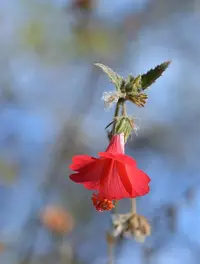
woolly huckleberry Care (Gaylussacia mosieri)

woolly huckleberry

About woolly huckleberry

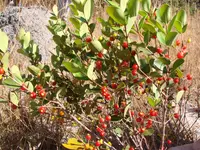
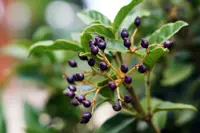
Woolly huckleberry (Gaylussacia mosieri) is a small, deciduous shrub in the heath family, related to blueberries and other ericaceous plants. It typically forms low, bushy clumps with fine branching and small leaves that often have a slightly hairy or “woolly” texture.

This species is native to the coastal plain of the southeastern United States, where it grows in moist pine flatwoods, boggy edges, and other acidic, sandy habitats. It produces small, urn-shaped flowers followed by dark berries that attract wildlife.

Gaylussacia mosieri suits gardeners interested in naturalistic plantings and regional natives, but it can be somewhat particular about acidic, well-drained yet moist soil. Understanding how to care for woolly huckleberry starts with matching its natural light and moisture conditions as closely as possible.

Main Plant Requirements

Care Difficulty

Moderate Care

Light Preference

Partial Shade

Water Requirements

Regular Water

Temperature Preference

Warm Climate

Hardiness Zone

8–10

Soil Texture

Sandy, Loamy, Organic-rich

Soil pH

Strongly acidic (4.5–5.5), Acidic (5.5–6.5)

Soil Drainage

Moist but well-drained

Fertilization

Minimal (feed rarely)

Get Personalized Care Plan

Scan your plant to receive care tips personalized for your specific plant

Available on iOS and Android

How to Care for the woolly huckleberry

Gaylussacia mosieri prefers bright, cool light similar to its native pine flatwoods and bog margins.

  • Provide 4–6 hours of morning sun with light afternoon shade; dappled light under open trees suits woolly huckleberry well.
  • Allow partial shade (up to 60% shade) in hot climates to prevent leaf scorch, especially during strong midday and late-afternoon sun.
  • Watch for pale, weak growth and sparse flowering as signs of too little light, and bronzed, crisp leaf edges as signs of excessive sun exposure.

This species prefers consistently moist, acidic, well-drained soil, reflecting its natural bog and wet flatwoods habitat.

  • Water when the top 2–4 cm of soil feels just starting to dry, aiming for evenly moist but never waterlogged conditions.
  • Increase watering frequency in hot, dry weather and decrease slightly in cool or rainy seasons while still preventing complete drying of the root zone.
  • Improve drainage with organic matter; yellowing, soft leaves indicate overwatering, while dull, rolling leaves and poor new growth suggest underwatering in Gaylussacia mosieri.

This shrub is naturally adapted to warm, humid climates with mild winters and hot summers.

  • Aim for active growth in 65–85°F (18–29°C); plants tolerate brief summer peaks to 90–95°F (32–35°C) if soil stays evenly moist.
  • Protect roots and crowns from hard freezes; foliage injury may occur below about 25°F (−4°C), with more serious damage below 20°F (−7°C).
  • Use mulch 5–8 cm deep to buffer soil temperatures in both heat and cold, and avoid planting in frost pockets or exposed, wind-prone low spots.

This heath family shrub prefers moderate humidity but adapts to many outdoor conditions.

  • Aim for 40–60% humidity; it usually manages typical outdoor fluctuations without issue.
  • Tolerates short dry spells, but extended hot, very dry air can cause leaf edge browning and premature leaf drop.
  • Increase humidity during extreme dryness by mulching the root zone 5–8 cm deep and watering the soil, not the foliage, when caring for woolly huckleberry.

Soil preparation is critical for healthy Gaylussacia mosieri growth and fruiting.

  • Use a loose, sandy to sandy-loam mix with high organic matter, such as pine bark fines plus peat or coco coir.
  • Keep drainage fast yet evenly moist; avoid compaction and never allow the container or bed to stay waterlogged.
  • Maintain acidic conditions around pH 4.5–5.5, using acidic mulch and avoiding lime-based amendments.
  • Improve aeration by blending in coarse sand or perlite at 20–30% of the volume and avoid heavy clay-based mixes.

This species can be grown in containers with careful moisture and root-zone management.

  • Select a deep, relatively narrow pot that matches the shrub’s fibrous root system, preventing excess unused mix that stays wet.
  • Choose a thick-walled plastic or glazed container to slow evaporation so the fine roots do not oscillate between soggy and bone-dry.
  • Stabilize the container with a wide base or weight in windy locations so the branching top does not rock and stress the roots.

This native shrub, known as woolly huckleberry, usually needs only light feeding in lean, acidic soils.

  • In the ground, apply a thin layer of acidic compost around the root zone once in spring for mild nutrition.
  • For container plants, use a balanced acid-forming slow-release fertilizer at half strength at the start of the growing season.
  • Avoid summer and fall feeding so new growth hardens before cold weather and to prevent nutrient buildup in confined roots.

Gaylussacia mosieri benefits from light, periodic pruning to maintain a healthy, open structure.

  • Best time is late winter to very early spring, before new growth starts.
  • Remove dead, damaged, crossing, or inward-growing stems with clean bypass pruners or hand shears.
  • Thin the oldest, weakest stems at the base to encourage vigorous new shoots and better flowering.
  • Avoid cutting back hard into older wood; maintain the plant’s natural form with selective cuts.

This shrub is most often grown in the ground, so focus on careful transplanting rather than frequent repotting.

  • Transplant in late fall or early spring when growth is slow and temperatures are mild.
  • Choose a site with acidic, well-drained soil and partial sun, mimicking its native habitat conditions.
  • Lift with a generous root ball, keep roots shaded and moist, and replant at the same depth to reduce stress.
  • Water thoroughly after planting, then maintain even moisture while new roots establish over several weeks.

Gaylussacia mosieri is slow to establish, and propagation is moderately challenging but feasible for patient growers.

  • Take semi-ripe stem cuttings in late summer, using a rooting hormone and placing them in a moist, acidic, well-drained mix.
  • Use low layering in spring, pegging flexible stems to the soil until they root, then severing and transplanting.
  • Sow fresh seed outdoors in fall, allowing natural cold stratification to break dormancy by spring.
  • Provide bright, indirect light, steady moisture, and high humidity around cuttings or layers to support root development.

This shrub is reasonably cold hardy in its native range and typically needs only modest winter attention.

  • In cooler zones, apply a 5–8 cm layer of mulch around the root zone to moderate soil temperature and moisture.
  • Avoid piling mulch against stems to reduce the risk of rot during wet, cold periods.
  • Container-grown plants in marginal climates can be moved to a sheltered, unheated, frost-free space until spring.

Care Tips

Mulch For Moisture

Apply a 5–8 cm layer of pine bark or pine needle mulch around the root zone, keeping it a few cm away from the stems, to stabilize soil moisture and maintain the acidic conditions this species prefers.

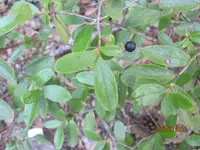
Mycorrhizal Support

When planting, dust the root ball and planting hole with an ericoid mycorrhizal inoculant formulated for heathers and blueberries to improve nutrient uptake and long‑term vigor in poor, sandy soils.

Companion Groundcover

Underplant with low, shallow‑rooted acid‑loving groundcovers, such as native ferns or small Vaccinium species, to shade the soil surface and reduce weed competition without crowding the root system.

Low‑Input Pest Monitoring

From spring through late summer, inspect leaves and young stems every 2–3 weeks for leaf spots, caterpillars, or scale, and remove isolated problems by hand or with targeted pruning before resorting to chemical controls.

Fire And Storm Resilience

In regions with periodic fire or storms, maintain plants in loose groups rather than dense thickets and remove dead, crossing, or wind‑damaged branches annually to reduce breakage and support long‑term structure when growing woolly huckleberry.

Common Pests and Diseases

Blueberry maggot

This pest is a small fly whose larvae tunnel inside the berries, causing soft, discolored, and prematurely dropping fruit. Symptoms include tiny puncture marks on the skin and mushy berries with whitish maggots inside.

Solution

Monitor fruit with yellow sticky cards from late spring and remove and destroy infested or fallen berries to break the life cycle. In small plantings, use fine netting over shrubs just before fruit ripens and maintain good sanitation around the plants to reduce local populations.

Cranberry fruitworm

This pest is a greenish caterpillar that feeds inside developing berries, leaving hollowed fruit, frass, and webbing in clusters. Symptoms include premature reddening and shriveling of berries before they ripen.

Solution

Hand-remove and discard infested berry clusters as soon as damage is seen and clean up all fallen fruit after harvest. For recurring problems in larger plantings, apply a Bacillus thuringiensis (Bt) product labeled for caterpillars soon after flowering, following label directions and timing to target young larvae.

Leaf spot

This disease causes small to medium brown or purplish spots on leaves that may coalesce, leading to yellowing and early leaf drop in humid weather. Symptoms include thinning foliage and reduced vigor on heavily affected plants.

Solution

Prune to open the shrub canopy for better airflow, avoid overhead watering, and promptly remove fallen leaves to limit fungal spores. In sites with a history of severe issues, use a copper-based fungicide labeled for ericaceous shrubs at bud break and repeat as directed during extended wet periods.

Powdery mildew

This disease produces white to gray powdery growth on upper leaf surfaces, sometimes causing leaf curling and reduced photosynthesis. Symptoms include a dull, dusty look to foliage, especially in shaded or crowded areas with poor air movement.

Solution

Improve air circulation by selective pruning and avoid high nitrogen fertilization that encourages soft, susceptible growth. If needed, apply a horticultural oil or potassium bicarbonate product labeled for powdery mildew, covering both leaf surfaces and repeating according to label directions during favorable conditions.

Scale insects

These insects appear as small, immobile bumps on stems and leaf undersides, sucking sap and leading to yellowing leaves and reduced vigor. This pest may also produce honeydew, which can lead to sooty mold on nearby surfaces.

Solution

Prune out heavily infested twigs and dispose of them, then gently scrub remaining scales from stems with a soft brush and soapy water. During the crawler stage, use a light horticultural oil spray labeled for woody shrubs, applied thoroughly to stems and the undersides of leaves.

Interesting Facts

Coastal plain specialist

This species is largely restricted to wet, acidic habitats of the southeastern U.S. Coastal Plain, especially pond margins, wet flatwoods, and baygalls in Florida and nearby states.

Velvety foliage trait

Leaves and young stems often have fine hairs that create a slightly woolly texture, a key trait that helps distinguish it from related huckleberry and blueberry species in the field.

Fruit for specialist bees

Its flowers provide nectar and pollen for native bees, including some Vaccinium- and Gaylussacia-associated specialists, which in turn improve fruit set for wildlife food webs.

Botan icon

Did you know?

Gaylussacia mosieri is considered a habitat-specialist shrub that can help botanists and land managers identify and map high-quality, undisturbed wetland communities in the southeastern United States.

FAQs about woolly huckleberry

The small dark berries are edible and can be eaten fresh or cooked, though they are usually seedy and mildly flavored. They are mainly valued for wildlife food and restoration plantings rather than for home fruit production.

Grow Healthy Plants with Botan Care

Keep your plants happy and healthy with plant identification, disease detection, and easy care guidance.

Botan plant care app — identify plants on mobile

Explore More Plants