Train Central Leader
Select one strong upright stem as the main leader in the first 2–3 years and remove competing vertical shoots to create a stable tree form that supports heavier fruit loads without splitting.

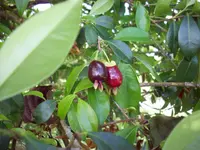
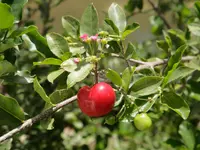
Cherry of the Rio Grande, Eugenia involucrata, is a tropical fruiting shrub or small tree in the myrtle family, valued for its glossy foliage and edible berries. It typically forms a dense, branching crown with smooth bark and oval, deep green leaves, giving it a neat, ornamental look.
This species is native to southern Brazil and neighboring regions, where it grows in warm, humid climates. The plant produces dark purple, cherry-sized fruits with sweet-tart pulp, which attract gardeners interested in small-space fruit production.
It is considered relatively easy to grow when protected from frost and given consistent moisture, good drainage, and at least bright light. Understanding how to care for Cherry of the Rio Grande mainly involves providing warmth and avoiding prolonged drought or waterlogging.

Care Difficulty
Moderate Care

Light Preference
Full Sun

Water Requirements
Regular Water

Temperature Preference
Warm Climate

Hardiness Zone
9–11

Soil Texture
Sandy, Loamy, Organic-rich

Soil pH
Acidic (5.5–6.5), Slightly acidic (6.5–7.0)

Soil Drainage
Moist but well-drained

Fertilization
Light (every 4–6 weeks)
Scan your plant to receive care tips personalized for your specific plant
Available on iOS and Android
This subtropical fruit shrub performs best with bright, gentle sun and some protection from harsh afternoon exposure.
This species prefers evenly moist, well-drained soil and reacts quickly to both drought and waterlogging.
This subtropical shrub prefers warm, frost-free conditions for reliable growth and fruiting.
This species prefers moderately humid air and reacts when conditions are very dry.
This species performs best in slightly acidic, well-drained, moisture-retentive soil.
This species is well suited to container growing when root space and drainage are carefully managed.
This subtropical fruit tree benefits from modest feeding to support healthy growth and fruiting without forcing soft, weak tissue.
Eugenia involucrata responds well to light structural pruning that improves form, airflow, and fruit quality.
Transplanting or upsizing containers helps maintain steady growth and root health in this small fruit tree.
This species is most often propagated from fresh seed, with cuttings used when clonal traits are important.
This subtropical tree has limited frost tolerance and benefits from simple winter protection in cooler climates.

Plant Health Check
Not sure what's wrong with your plant? Check your plant's health inside the app.
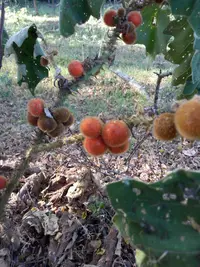
The fruit of this species ripens from green to deep reddish-purple, and in some cultivars nearly black, due to high concentrations of anthocyanin pigments that help protect the pulp and seeds from UV radiation and oxidative stress.
In its native range in southern Brazil and neighboring regions, this shrub or small tree often grows on relatively poor, sandy or acidic soils, relying on a dense, fibrous root system and evergreen foliage to recycle and retain nutrients efficiently.
In natural habitats it commonly occurs in subtropical forests with warm temperatures and high humidity, where its tough, glossy leaves reduce water loss yet still allow efficient gas exchange needed for fruit production.

In parts of southern Brazil the fruit has traditional culinary importance and is eaten fresh, used in jams, jellies, and liqueurs, and even fermented locally into small-batch wines, which is one reason growers continue to plant and maintain this species in home gardens and small orchards.
Growth is moderately fast in warm climates, usually adding 30–60 cm per year once established. Young plants focus on root development first, then accelerate. Rich soil, consistent moisture, and mild winters significantly improve growth rate when you grow Eugenia involucrata.
Keep your plants happy and healthy with plant identification, disease detection, and easy care guidance.