Mulch For Coolness
Apply a 5–8 cm layer of loose organic mulch around, but not touching, the stems to keep the shallow roots cool, conserve moisture, and reduce weed competition.

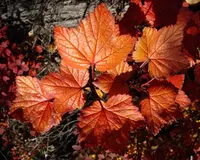
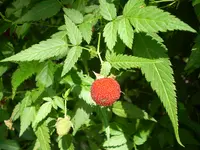
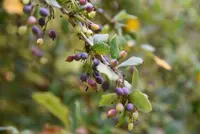
Ribes triste, often called swamp red currant, is a low, spreading shrub in the gooseberry family. It produces clusters of bright red, translucent berries on slender stems. This species is native to cool, moist habitats in northern North America, where it grows in bogs, wet woods, and along stream edges. It usually forms loose colonies rather than tall, upright bushes. The plant is generally hardy and cold-tolerant, but it prefers consistently moist, well-drained, organic soils and cool summers. Understanding how to care for red currant starts with matching its need for moisture, partial sun, and a naturally cool, humus-rich site.

Care Difficulty
Moderate Care

Light Preference
Partial Shade

Water Requirements
Regular Water

Temperature Preference
Cold Hardy

Hardiness Zone
2–6

Soil Texture
Loamy, Silty, Organic-rich

Soil pH
Acidic (5.5–6.5), Slightly acidic (6.5–7.0)

Soil Drainage
Moist but well-drained

Fertilization
Minimal (feed rarely)
Scan your plant to receive care tips personalized for your specific plant
Available on iOS and Android
This northern red currant species prefers cool, bright conditions with protection from harsh midday sun.
Ribes triste prefers consistently moist, cool soil without staying saturated.
This cold-hardy currant thrives in cool to cold climates and tolerates significant winter chill.
This shrub handles typical outdoor humidity well and rarely needs special humidity management.
Ribes triste prefers consistently moist, airy soil that does not stay waterlogged.
This species can be grown in containers outdoors for short to medium term cultivation.
This cold-hardy shrub generally needs only light feeding, especially in natural or woodland plantings.
Ribes triste responds well to modest, targeted pruning that keeps the shrub healthy and open to light.
This species is usually grown in the ground, so care focuses more on transplanting than on container repotting.
Ribes triste is commonly propagated by cuttings, layering, and seeds where naturalistic spreads are desired.
This shrub is naturally cold hardy and usually needs minimal winter care in its appropriate climate range.

Plant Health Check
Not sure what's wrong with your plant? Check your plant's health inside the app.
This species naturally occurs across cold northern regions of North America, often in moist tundra, boreal forest edges, and sphagnum bogs, where it tolerates short growing seasons and cool summers.
Unlike many cultivated currants, it often forms low, trailing or decumbent stems that spread along the ground, helping it stabilize moist soils and occupy gaps in open, northern habitats.
Its small, bright red berries are edible but quite tart and watery, and in the wild they serve mainly as an important late-summer food source for birds and small mammals rather than as a major human fruit crop.
Leaves often brown from water stress, fertilizer burn, or fungal leaf spot. Check soil moisture, avoid wetting foliage, and remove badly damaged leaves. Improve air flow and apply an appropriate fungicide if spotting and lesions keep spreading.
Keep your plants happy and healthy with plant identification, disease detection, and easy care guidance.