blackthorn Care (Prunus spinosa)

Also known as: sloe, blackthorn, Sloe
blackthorn

About blackthorn

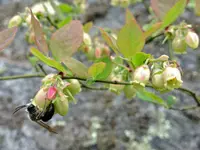
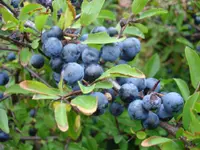
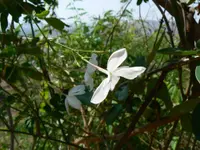
Blackthorn, Prunus spinosa, is a hardy deciduous shrub or small tree, often forming dense, thorny thickets and living hedges. It typically has small white spring blossoms followed by dark blue sloes. Native to Europe and parts of western Asia, it thrives in open fields, woodland edges, and coastal scrub, and adapts well to many temperate climates. The plant is tough, wind-tolerant, and long-lived, but its strong suckering habit and sharp spines require careful placement and maintenance. It generally prefers full sun, moderately moist, well-drained soil, and benefits when gardeners understand how to care for blackthorn in a long-term planting plan.

Main Plant Requirements

Care Difficulty

Easy Care

Light Preference

Full Sun

Water Requirements

Moderate Water

Temperature Preference

Cold Hardy

Hardiness Zone

4–8

Soil Texture

Sandy, Loamy, Clay

Soil pH

Acidic (5.5–6.5), Slightly acidic (6.5–7.0)

Soil Drainage

Well-drained

Fertilization

Minimal (feed rarely)

Get Personalized Care Plan

Scan your plant to receive care tips personalized for your specific plant

Available on iOS and Android

How to Care for the blackthorn

This shrub thrives in full sun but tolerates some light shade, especially in hot regions.

  • Aim for 6–8 hours of direct sun daily, with morning sun and light afternoon shade ideal in areas with strong summer heat.
  • Blackthorn copes with partial shade (3–4 hours of sun), but flowering and fruiting usually decrease as shade increases.
  • In cooler climates, choose an open, unshaded site; in hotter climates, protect from intense late-afternoon sun to reduce leaf scorch and drought stress.

Prunus spinosa prefers moderately moist, well-drained soil and becomes more drought-tolerant once established.

  • During the first 1–2 growing seasons, water when the top 5–8 cm of soil feel dry, then apply a deep soak rather than frequent light sprinkling.
  • In established hedges, rely mostly on rainfall, supplementing only during prolonged dry spells when leaves start to wilt or curl slightly.
  • Avoid waterlogged conditions; yellowing leaves, dieback at shoot tips, and a sour soil smell indicate overwatering or poor drainage.

This hardy shrub tolerates a wide temperature range and is adapted to temperate outdoor climates.

  • Active growth is strongest around 55–75°F (13–24°C), typical of spring and early summer conditions in many temperate regions.
  • Dormant plants handle cold down to about 0°F (−18°C) or slightly lower; flowers, though, can be damaged by late frosts below 28°F (−2°C).
  • Mature plants cope with summer heat up to about 90°F (32°C) if soil moisture is sufficient; prolonged hotter periods increase drought stress and may reduce fruit set.

Humidity is rarely a limiting factor for outdoor Prunus spinosa in its typical climates.

Prunus spinosa grows best in moderately fertile, well-structured mineral soils with reliable drainage.

  • Use loamy or sandy-loam soil with some organic matter to retain moisture without becoming compacted.
  • Aim for slightly acidic to neutral pH, roughly 6.0–7.5, avoiding strongly acidic or highly alkaline conditions.
  • In heavy clay, improve drainage and aeration by incorporating coarse sand or fine gravel plus well-rotted compost.
  • Avoid waterlogged sites, hardpan layers, or spots where meltwater and runoff collect and remain for long periods.

This species can be grown in containers, but it is more demanding than many smaller shrubs.

  • Choose a deep, heavy container to counterbalance the shrub’s woody, spreading top growth and reduce tipping in wind.
  • Use a free-draining, loam-based mix so roots have weight and stability yet excess water can move out quickly.
  • Raise the pot slightly on feet or bricks so drainage holes stay clear and winter moisture does not stagnate under the base.

Prunus spinosa usually thrives in average garden soil and needs only modest feeding.

  • Apply a light layer of well-rotted compost or manure around the root zone once in early spring for blackthorn in poorer soils.
  • Use a balanced slow-release NPK fertilizer (around 10-10-10) at half strength if growth or fruiting seems weak.
  • Feed only during the active growing season; avoid summer overfeeding, which can cause soft, frost-tender growth.
  • Do not fertilize in late fall or winter, so the plant hardens off properly before freezing temperatures.

Prunus spinosa responds well to thoughtful pruning aimed at maintaining structure and health.

  • Carry out main pruning in late winter to very early spring, before budbreak.
  • Remove dead, diseased, damaged, or crossing branches first, using clean, sharp bypass pruners or loppers.
  • Thin crowded interior shoots to improve airflow and light, which supports flowering and fruit quality.
  • Shorten overly long or sprawling branches to control size and encourage a balanced, open framework.

Blackthorn is usually grown in the ground, so transplanting young plants is more common than repotting mature specimens.

  • Check for roots circling the container drainage holes or noticeably slowed growth as a sign the plant is pot-bound.
  • Transplant during late fall or early spring while the plant is dormant to minimize stress and water loss.
  • Move young Prunus spinosa every 2–3 years until in a final position, using a hole slightly wider but similar depth to the root ball.
  • Water thoroughly after transplanting, firm soil gently around roots, and apply mulch to keep moisture stable while roots re-establish.

Prunus spinosa is commonly propagated from suckers, hardwood cuttings, or seed, depending on the goal.

  • Lift and separate root suckers in late winter or early spring, replanting them at the same depth in well-prepared soil.
  • Take hardwood cuttings in late autumn, 15–20 cm long, and insert into gritty, free-draining substrate kept evenly moist.
  • Sow stratified seed; cold stratification means keeping cleaned seed moist and cold (34–41°F) for several months before spring sowing.
  • Maintain bright light, moderate moisture, and good air circulation around young plants to reduce rot and improve establishment.

Prunus spinosa is very cold hardy and usually needs minimal winter care in the ground.

  • Apply a 5–8 cm mulch layer around the root zone in late fall, keeping it slightly away from the trunk.
  • In exposed, windy sites, use a temporary windbreak to limit branch damage and desiccation.
  • Move container-grown plants into a sheltered, unheated but frost-free or slightly protected spot, preventing the root ball from freezing solid.

Care Tips

Root sucker control

Inspect the area around the base every spring and summer and cut unwanted suckers at or just below soil level to prevent thickets and keep energy directed into the main framework.

Winter wind protection

In exposed sites, install a windbreak fence or plant on the leeward side of a hedge or structure to reduce desiccating winter winds that can damage flower buds and young shoots.

Flowering wood management

After flowering, lightly thin crowded interior branches so light reaches 1–2-year-old wood, which is where most future blossom and fruit will form.

Thorn-safe handling

Use thick gloves and long sleeves when pruning, and position tools carefully to avoid dragging branches across skin, since blackthorn spines can cause deep, slow-healing punctures.

Wildlife and hedge use

When growing blackthorn as part of a hedge, stagger plants in a double row and trim only the sides for the first 2–3 years to build a dense, wildlife-friendly barrier before shaping the top.

Common Pests and Diseases

Blackthorn leaf spot

This disease causes small purple to brown spots on leaves that can merge, leading to yellowing and early leaf drop. Symptoms include thinning foliage and reduced vigor on affected branches.

Solution

Prune out and dispose of heavily affected shoots, collect fallen leaves, and avoid overhead watering to reduce leaf wetness duration. Improve air circulation within the thicket and, if necessary in high-value plantings, use a copper-based fungicide in early spring at bud break according to label directions.

Bacterial canker

This disease produces sunken, gummy cankers on branches and twigs, often accompanied by dieback from the tips. Symptoms include oozing gum, rough bark patches, and failure of buds to open on affected shoots.

Solution

Cut out infected branches at least 15–20 cm below visible symptoms during dry weather and destroy the prunings. Avoid pruning in late fall or early spring when infection risk is high, keep the plant well-watered but not waterlogged to reduce stress, and consider using a balanced, low-nitrogen fertilizer to support recovery.

Shot hole disease

This disease starts as small reddish or brown leaf spots that dry and fall out, leaving round holes, giving foliage a perforated appearance. Severe infections can cause premature leaf drop and weaken the plant over time.

Solution

Remove and discard spotted leaves from the plant and ground to lower the source of infection. For established hedges or orchard situations, apply a suitable fungicide labeled for stone fruits just before flowering and again after petal fall, combined with good spacing and pruning to keep the canopy open and dry.

Plum moth larvae

These insects are caterpillars that tunnel into developing sloes, causing internal feeding damage, premature fruit drop, and wormy or spoiled fruit. Symptoms include small entry holes and frass inside the fruit.

Solution

Collect and destroy affected fruits during the season and after harvest to break the life cycle. In more managed settings, use pheromone traps to monitor and reduce adult moths and, if pressure is high, time a biological insecticide containing Bacillus thuringiensis (Bt) for when young larvae are hatching, following label instructions.

Aphids

These insects cluster on young shoots and leaf undersides, sucking sap and causing curling, distortion, and sticky honeydew that can lead to sooty mold growth. Infestations may slow shoot growth and attract ants that farm the aphids.

Solution

Spray colonies off with a firm jet of water, then treat remaining clusters with insecticidal soap or a light horticultural oil, ensuring thorough coverage of leaf undersides. Encourage natural enemies such as lady beetles by avoiding broad-spectrum insecticides and limiting excess nitrogen fertilization that promotes very soft new growth.

Interesting Facts

Early spring nectar

Blackthorn flowers appear on bare branches in early spring, often before many other shrubs bloom, providing an important early nectar and pollen source for bees and other pollinators.

Sloe fruit chemistry

The small dark fruits, known as sloes, are naturally very astringent due to high tannin content, which is why they are traditionally harvested after frost or frozen first to reduce harshness before use in drinks and preserves.

Living livestock barrier

With dense branching and long sharp thorns, blackthorn has long been used in Europe for stock-proof hedges that physically contain grazing animals and also serve as durable field boundaries.

Botan icon

Did you know?

Genetic and historical evidence suggests that the domesticated plum Prunus domestica likely arose in part from natural hybridization events involving Prunus spinosa, meaning this wild hedgerow shrub helped shape one of today’s common orchard fruits.

FAQs about blackthorn

This species is best grown outdoors in full light and natural weather. It needs winter chill and strong light levels, so blackthorn indoor care is generally not successful except for very short temporary periods.

Grow Healthy Plants with Botan Care

Keep your plants happy and healthy with plant identification, disease detection, and easy care guidance.

Botan plant care app — identify plants on mobile

Explore More Plants