Encourage Cross-Pollination
Plant at least 2 genetically different hazel shrubs within 10–15 m and avoid using only one named cultivar so that wind can move pollen effectively and improve nut set.

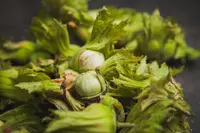
Common hazel, Corylus avellana, is a deciduous shrub or small tree typically forming a broad, multi-stemmed thicket. It is native to woodlands and hedgerows across much of Europe and parts of western Asia.
Plants have rounded, slightly toothed leaves and produce yellow catkins in late winter, followed by edible nuts in autumn when pollination is successful. The dense branching offers good wildlife value and works well in naturalistic or informal gardens.
Common hazel grows best in cool to mild climates, with sun to light shade, evenly moist but well-drained soil, and moderate fertility, which helps make it relatively straightforward to care for Common Hazel.

Care Difficulty
Easy Care

Light Preference
Full Sun

Water Requirements
Moderate Water

Temperature Preference
Cold Hardy

Hardiness Zone
4–8

Soil Texture
Sandy, Loamy, Clay

Soil pH
Acidic (5.5–6.5), Slightly acidic (6.5–7.0)

Soil Drainage
Moist but well-drained

Fertilization
Minimal (feed rarely)
Scan your plant to receive care tips personalized for your specific plant
Available on iOS and Android
This deciduous shrub prefers bright conditions to support strong growth and nut production.
This shrub prefers evenly moist, well-drained soil rather than constantly wet or very dry conditions.
This hardy species tolerates a wide climate range but grows best in moderate temperatures.
Corylus avellana tolerates a wide humidity range and usually does not need special humidity management outdoors.
Corylus avellana prefers deep, moisture-retentive yet free-draining, moderately fertile soil.
This species can be grown in large containers for some years, but it performs best long term in the ground.
Corylus avellana usually performs well in average garden soil, but moderate feeding supports strong growth and nut production.
Pruning Corylus avellana is useful for maintaining structure, airflow, and productive wood rather than for strict size control.
Common hazel is usually grown in the ground, so focus on careful transplanting of young plants rather than frequent repotting.
Corylus avellana is commonly propagated by layering, suckers, and seed for new plants and rootstocks.
This species is cold hardy in most temperate climates and usually needs minimal winter care in the ground.

Plant Health Check
Not sure what's wrong with your plant? Check your plant's health inside the app.
This species readily spreads by tip layering, where low branches that touch the ground form roots and create new stems, leading to dense, multi-stemmed hazel coppices over time.
Common hazel supports several highly specialized insects and fungi, including the hazel gloves fungus Hypocreopsis rhododendri and the hazel leaf-roller weevil Apoderus coryli, which depend strongly on this shrub in parts of its range.
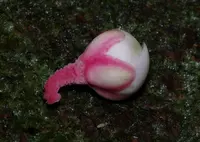
The plant produces separate male and female flowers on the same shrub; long yellow catkins release large quantities of pollen that are carried by wind to the tiny, red, female flower stigmas before leaves emerge.

Archaeological findings across Europe show that common hazel nuts were a major wild food for Mesolithic hunter-gatherers, with large shell middens indicating organized nut harvesting, roasting, and storage thousands of years before widespread agriculture.
This species is generally moderate-growing. Young plants often add 20–40 cm of height per year under good light, moisture, and soil conditions, slowing somewhat as they mature and begin to form a broader, multi-stemmed outline.
Keep your plants happy and healthy with plant identification, disease detection, and easy care guidance.