romerillo Care (Bidens alba)

Also known as: Beggar's Tick, Spanish Needles
romerillo

About romerillo

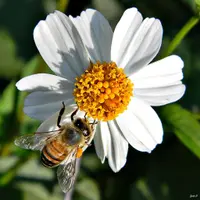
Romerillo, commonly known as Bidens alba or Spanish needles, is a fast-growing herbaceous plant in the aster family. It often appears as a wildflower or roadside weed. Plants usually form branching, upright stems with small white daisy-like flowers and narrow, serrated green leaves. The seeds have tiny barbs that easily cling to clothing and animal fur. Bidens alba is native to the Americas but now grows widely in warm regions, especially in disturbed soils and sunny open areas. It is generally easy to grow, as it tolerates heat, poor soils, and irregular moisture. Gardeners who care for romerillo mainly need to control its spread and provide adequate light for best flowering.

Main Plant Requirements

Care Difficulty

Easy Care

Light Preference

Full Sun

Water Requirements

Moderate Water

Temperature Preference

Tropical / Frost Sensitive

Hardiness Zone

8–11

Soil Texture

Sandy, Loamy, Organic-rich

Soil pH

Acidic (5.5–6.5), Slightly acidic (6.5–7.0)

Soil Drainage

Well-drained

Fertilization

Minimal (feed rarely)

Get Personalized Care Plan

Scan your plant to receive care tips personalized for your specific plant

Available on iOS and Android

How to Care for the romerillo

Bidens alba needs strong light to flower heavily in most outdoor settings.

  • Provide 6–8 hours of direct sun daily; morning to early afternoon sun gives the best bloom density.
  • Plant where it receives at least 3–4 hours of direct morning sun if afternoon shade is unavoidable, as romerillo tolerates light shade but may flower less.
  • In hot summers, protect from reflected heat and harsh late-afternoon sun to reduce leaf scorch, and avoid planting in dense shade, which causes lanky, weak growth.

Bidens alba prefers evenly moist but not saturated soil once established.

  • Water when the top 3–5 cm of soil feels dry, then soak thoroughly so water reaches the root zone and drains out completely.
  • In hot, dry weather, expect to water more often, watching for limp, dull leaves as a sign of thirst; reduce frequency in cool or rainy periods.
  • Use well-drained soil or a site that does not puddle, since yellowing lower leaves, soft stems, and a sour smell indicate overwatering stress.

This species grows best in warm, frost-free conditions throughout the growing season.

  • Optimal growth occurs around 70–86°F (21–30°C), where plants branch well and produce continuous flowers.
  • Bidens alba tolerates brief drops to about 32°F (0°C) but is damaged or killed by hard frost, so expect dieback after the first real freeze.
  • In hot climates, it copes with 90–95°F (32–35°C) if soil moisture is maintained, though flowering may slow during prolonged extreme heat.

Humidity is not a major factor for Bidens alba, which thrives in typical outdoor air.

Bidens alba prefers lean, well-drained, mineral-rich soil that does not stay wet.

  • Use a sandy or sandy-loam soil with 20–30% coarse sand to keep the root zone aerated.
  • Incorporate a small amount of compost (10–20%) for nutrients but avoid heavy, peat-rich mixes that hold water too long.
  • Aim for slightly acidic to neutral pH (6.0–7.5), avoiding strongly acidic or salty sites.
  • On compacted ground, loosen the top 15–20 cm and mix in grit or fine gravel to improve drainage and oxygen around roots.

This species grows well in containers if the pot allows fast drainage and stable root development.

  • Choose a wider, medium-depth container to support its spreading, bushy habit without cramping lateral roots.
  • Use a relatively heavy pot material, such as ceramic or thick plastic, to prevent tipping in wind as stems elongate.
  • Fill the pot with a gritty mix and keep the top 2–3 cm slightly drier to limit romerillo from self-seeding excessively over the rim.

Bidens alba grows vigorously in average soil and needs only light, targeted feeding in cultivation.

  • Use a balanced liquid fertilizer at 1/4–1/2 strength or incorporate a mild slow-release product into the topsoil in spring.
  • Feed every 4–6 weeks during the warm growing season if growth or flowering is weak.
  • Reduce or stop feeding in winter or during dormancy, especially for container plants.
  • Light applications of compost can support soil life when caring for romerillo in poor or sandy ground.

Bidens alba responds well to pruning that manages height and encourages dense, prolonged flowering.

  • Best time for shaping cuts is late spring through midsummer, once plants are actively growing.
  • Use clean scissors or hand pruners to remove dead, damaged, or pest-infested stems at their base.
  • Pinch or cut back stem tips by 5–10 cm to promote branching and a fuller, bushier form.
  • Shear back lightly after peak bloom flushes to stimulate new shoots and additional flowers.

This species is more often transplanted outdoors than kept long term in containers.

  • Transplant seedlings or young plants in spring after frost, once soil has warmed and is workable.
  • Move plants when roots circle the pot, growth slows, or soil dries very quickly between waterings.
  • Space transplants so mature plants do not crowd, reducing competition and foliar disease risk.
  • Water thoroughly before and after transplanting, and shade for 2–3 days to reduce root stress.

Bidens alba is commonly propagated by seed for quick establishment and wide coverage.

  • Sow seeds in spring after frost, either directly in the ground or in trays under bright light.
  • Use a well-drained seed mix, keep evenly moist, and maintain 68–75°F for reliable germination.
  • Barely cover the fine seeds, as light exposure improves germination and reduces damping-off risk.
  • Soft stem cuttings root in warm, humid conditions if placed in loose, free-draining substrate.

In mild to warm climates this annual or short-lived perennial needs minimal winter care.

  • Plants are frost-sensitive and usually die back after hard freezes below about 28°F.
  • In colder regions, allow plants to self-seed before frost to maintain future populations.
  • Mulch lightly around late-season plants to protect roots where winters are short and not severe.
  • Container-grown specimens in cool areas can be discarded after frost or resown in spring.

Care Tips

Cutback For Reflush

Shear plants back by 1/3–1/2 after the first heavy bloom to trigger dense new growth and a longer flowering season rather than allowing them to become leggy and exhausted.

Deadhead In Strips

Instead of removing every spent flower, run fingers or shears along stems to clip entire sections of seed heads at once, which keeps plants blooming while still allowing some seed to drop for natural reseeding.

Controlled Self‑Seeding

To prevent unwanted spread, bag a few seed heads for saving and then mow, string‑trim, or cut remaining plants before seed fully ripens, focusing first on edges where you do not want volunteers next season.

Beneficial Insect Strip

Plant romerillo in a defined strip or block near vegetables or fruit trees to act as a nectar bank for pollinators and predatory insects, but thin plants in late summer if they start shading nearby crops.

Staggered Sowing Zones

For extended bloom and easier managing and caring for romerillo, divide the bed into 2–3 zones and trim or re‑sow each zone 2–3 weeks apart so that one area is always in peak flower while another is regrowing.

Common Pests and Diseases

Leafhopper damage

This pest feeds on plant sap and causes pale speckling, curling, or distortion of leaves, and can reduce flowering. These insects can also transmit plant pathogens between nearby hosts.

Solution

Monitor foliage regularly and, at early signs, rinse plants with a strong stream of water to dislodge nymphs and adults. For heavier infestations, use insecticidal soap or a pyrethrin-based spray directed at the undersides of leaves, and reduce nearby tall weeds that shelter leafhoppers while still considering the plant’s value for pollinators and natural enemies.

Aster yellows

This disease is caused by a phytoplasma spread primarily by leafhoppers and leads to yellowing, stunted growth, and deformed or greenish, sterile flower heads. Symptoms include witches’-broom clusters of thin shoots and poor seed set.

Solution

Immediately remove and discard symptomatic plants to reduce the local source of infection. Limit nearby weedy hosts that can harbor both the phytoplasma and leafhoppers, and when growing Bidens alba for display or habitat, place new plants away from known aster yellows hotspots and monitor for early symptoms during warm seasons.

Powdery mildew

This disease appears as white, powdery patches on leaves and stems, which can cause leaf yellowing, distortion, and reduced vigor in dense stands. Symptoms include more severe coverage on shaded or crowded plants with poor air movement.

Solution

Thin or trim plants to improve airflow, avoid overhead watering, and promptly remove heavily infected leaves. In persistent cases, apply a sulfur or potassium bicarbonate fungicide labeled for ornamental plants, treating in dry weather and repeating as directed while monitoring for new growth.

Whiteflies

This pest forms dense colonies on leaf undersides, where adults and nymphs suck sap, causing leaf yellowing, sticky honeydew, and sometimes sooty mold. These insects are easily disturbed and fly up in small white clouds when plants are touched.

Solution

Regularly inspect the undersides of leaves and wash them with a firm stream of water to remove nymphs and honeydew. For ongoing problems, use yellow sticky traps to monitor adults and apply insecticidal soap or horticultural oil in the early morning or evening, ensuring thorough coverage of the lower leaf surfaces while avoiding treatment during peak pollinator activity.

Interesting Facts

Specialized barbed seeds

Its seeds have two sharp barbed awns that easily hook into animal fur and clothing, making this species highly effective at hitchhiking to new locations.

Heavy nectar producer

The flowers produce abundant nectar over a long blooming season, which supports high numbers of bees, butterflies, and other pollinators in disturbed and urban habitats.

Thrives in poor soils

This species grows vigorously in compacted, nutrient-poor, or disturbed soils such as roadsides and vacant lots, which helps it colonize human-modified landscapes quickly.

Botan icon

Did you know?

Genetic and morphological studies show that Bidens alba often hybridizes with closely related Bidens pilosa where their ranges overlap, creating intermediate plants that can complicate field identification.

FAQs about romerillo

This species self-seeds very freely. Seed heads shatter and create dense patches if not managed. Deadhead flowers before seeds form, mulch bare soil, and pull unwanted seedlings early to prevent it from taking over beds and pathways.

Grow Healthy Plants with Botan Care

Keep your plants happy and healthy with plant identification, disease detection, and easy care guidance.


Botan plant care app — identify plants on mobile

Explore More Plants