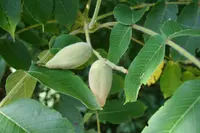
pistachio nut Care (Pistacia vera)

Also known as: Pistachio
pistachio nut

About pistachio nut

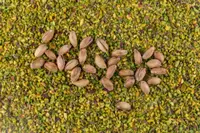
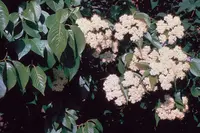
Pistachio nut, Pistacia vera, is a long-lived, deciduous tree grown for its edible seeds and attractive, open branching structure. It typically has grayish bark, compound leaves, and small, clustered fruits that dry to reveal the familiar green nuts.

This species comes from arid regions of Central and Western Asia and is now widely cultivated in warm, dry climates such as parts of the US Southwest. It prefers full sun, low to moderate moisture, and well-drained, often alkaline soils.

The tree is relatively drought-tolerant once established but needs patience, as it grows slowly and takes years to bear well. Understanding how to care for pistachio nut early on helps support healthy structure and future yields.


Main Plant Requirements

Care Difficulty

Moderate Care

Light Preference

Full Sun

Water Requirements

Low Water

Temperature Preference

Warm Climate

Hardiness Zone

7–10

Soil Texture

Sandy, Loamy, Rocky

Soil pH

Slightly alkaline (7.0–7.5), Alkaline (7.5–8.5)

Soil Drainage

Well-drained

Fertilization

Minimal (feed rarely)

Get Personalized Care Plan

Scan your plant to receive care tips personalized for your specific plant

Available on iOS and Android

How to Care for the pistachio nut

This sun-loving tree needs strong, direct light for healthy growth and nut production.

  • Provide full sun for 6–8+ hours daily; open, unshaded positions are best for consistent pistachio nut yields.
  • Tolerates light partial shade, but expect weaker flowering and fewer nuts if it receives under 5–6 hours of direct sun.
  • In very hot climates, aim for full morning sun with light afternoon exposure and avoid heat reflected from walls or pavement to reduce leaf scorch.

This drought-tolerant tree prefers deep, infrequent watering once established.

  • Outdoors in the ground, water only when the top 5–8 cm of soil are completely dry, then soak the root zone thoroughly and let it drain fully.
  • During the first 2–3 years, water more often in dry periods, but allow soil to dry between soakings to encourage deep roots and reduce stress.
  • Reduce irrigation in fall and winter; signs of overwatering include yellowing leaves and soft new growth, while persistent leaf drop and twig dieback suggest underwatering.

This species thrives in hot, dry summers and cool winters with a clear dormant period.

  • Active growth is strongest at 77–95°F (25–35°C), and mature trees tolerate up to about 104°F (40°C) with low humidity and good soil moisture.
  • Dormant trees withstand short drops to about 14°F (−10°C), but young plants and new grafts are more vulnerable and may need protection from hard frost.
  • For good flowering and nut set, trees require cool winters around 35–45°F (2–7°C); avoid planting in frost pockets or locations with frequent late spring freezes.

Humidity plays a minor role for Pistacia vera, which is adapted to dry climates.

  • Aim for 30–40% humidity, similar to typical indoor air in heated homes.
  • The plant tolerates dry air well; persistent leaf tip burn may indicate combined drought and low humidity stress.
  • If leaves curl or brown during prolonged hot, very dry weather, group plants or place a water tray nearby to slightly raise local humidity for the pistachio nut.

Pistacia vera prefers deep, well-drained, mineral soils that never stay waterlogged.

  • Use a sandy or loamy mix with coarse structure so water drains quickly and roots stay oxygenated.
  • Aim for slightly alkaline to neutral pH around 7.0–8.0, avoiding strongly acidic substrates.
  • Blend washed coarse sand or fine gravel with a lean loam and a small portion of compost for structure, not richness.
  • Avoid heavy clay, peat-heavy, or compacted mixes that hold water and collapse, as these promote root disease.

This species can be grown in containers when young, but long-term cultivation is challenging due to its deep root system.

  • Choose a tall, heavy container that resists tipping and allows the developing taproot more vertical space.
  • Use a rigid pot material, such as thick plastic or clay, to reduce flexing and root disturbance in windy sites.
  • Elevate the container on feet or spacers so drainage holes stay clear and excess water exits freely after irrigation.

Pistacia vera benefits from modest, balanced nutrition rather than heavy feeding.

  • Use a balanced slow-release NPK fertilizer or well-aged compost in early spring as growth begins.
  • Feed once more in mid-summer if growth or nut set seems weak, skipping if vigor is already good when caring for pistachio nut.
  • Apply at half the label rate, keeping granules away from the trunk and watering in thoroughly.
  • Stop all feeding in late summer so shoots harden before winter dormancy.

Pruning Pistacia vera focuses on building a strong, open canopy and removing weak growth.

  • Carry out main pruning in late winter or very early spring before bud break.
  • Remove dead, diseased, crossing, or inward-growing branches to improve airflow and light penetration.
  • Use clean, sharp bypass pruners or a pruning saw to make smooth cuts just outside the branch collar.
  • Shape the tree with a few well-spaced main branches to support crop weight and reduce breakage.

Pistacia vera is usually field-grown, so focus on careful transplanting rather than frequent repotting.

  • Transplant young trees in late winter or early spring while dormant to reduce stress.
  • Look for roots circling the container, water running straight through, or slowed growth as signs a potted tree is pot-bound.
  • Move to a hole or container only 1–2 sizes larger, loosening circling roots gently without tearing.
  • Water deeply after planting, mulch the root zone, and shade the tree lightly for 1–2 weeks to aid establishment.

Propagation of Pistacia vera is specialized because nut production depends on compatible male and female trees.

  • Sow seeds in late winter after cold stratification, using fresh, viable seed from known parent trees.
  • Provide a warm medium (70–80°F), even moisture, and good drainage to encourage germination.
  • Use hardwood or semi-hardwood grafting in late winter, joining desired cultivars onto vigorous rootstocks.
  • Keep young plants in full sun with moderate watering to build strong, compact growth.

Mature Pistacia vera trees are reasonably cold hardy but young plants benefit from some winter protection in colder regions.

  • Trees tolerate light to moderate freezes but can be damaged by prolonged temperatures below about 10–15°F.
  • Apply a 5–8 cm mulch layer around the root zone, keeping it away from the trunk to avoid rot.
  • Wrap young trunks with breathable tree guards in cold, windy sites to limit bark injury.
  • Move container-grown trees into a bright, cool, frost-free spot and water sparingly during dormancy.

Care Tips

Encourage Cross-Pollination

Plant at least 1 male tree for every 8–10 female trees and position the male upwind so pollen can travel easily, or in small plantings hand-shake male branches over female flowers on several breezy days to improve nut set.

Control Tree Height

Head back the central leader at planting and again during the first 2–3 years so the tree develops 3–5 strong scaffold branches at 90–120 cm height, which keeps the canopy lower, safer to harvest, and better lit inside.

Prevent Branch Breakage

Thin heavy nut clusters in late spring and remove weak, narrow-angle branches so remaining limbs can support the crop load without snapping under weight or wind.

Optimize Winter Chill

Choose cultivars matched to your local chill hours and, if marginal, avoid planting in frost pockets or against heat-reflective walls so the tree accumulates more consistent winter chill for reliable flowering.

Manage Salt Buildup

In areas with harder or slightly saline water, apply a slow, deep leaching irrigation 2–3 times per year to flush excess salts below the root zone, which is important for long-term Pistacia vera plant care in arid regions.

Common Pests and Diseases

Pistachio psyllid

This pest feeds on young leaves and shoots, causing curling, yellowing, honeydew, and sooty mold on foliage. Symptoms include reduced vigor and sticky residue on leaves and nearby surfaces.

Solution

Monitor new growth closely and hose down foliage with a strong stream of water to remove nymphs when populations are low. For heavier infestations, use insecticidal soap or a labeled systemic insecticide, and reduce plant stress through proper watering and balanced fertilization to support Pistacia vera care.

Navel orangeworm

This insect’s larvae bore into developing nuts, feeding on kernels and leaving frass and webbing inside the shells. Symptoms include shriveled kernels, premature nut drop, and increased risk of fungal contamination.

Solution

Collect and destroy fallen nuts and any remaining nuts on the tree after harvest to remove overwintering larvae. Use mating disruption products or targeted biological insecticides where available, and keep the tree well pruned to reduce dense, sheltered areas where moths can hide.

Alternaria late blight

This disease causes small dark spots with yellow halos on leaves, which can enlarge, coalesce, and lead to premature defoliation. Symptoms include leaf scorch, twig dieback, and in humid conditions, dark fungal growth on lesions.

Solution

Prune to improve airflow, avoid overhead irrigation, and remove heavily infected leaves and twigs from the tree and ground. In regions with a history of disease, apply a labeled copper or strobilurin fungicide preventively during warm, humid periods, following all label directions.

Botryosphaeria panicle and shoot blight

This disease infects inflorescences, young shoots, and sometimes branches, causing blighted panicles, wilted shoots, and sunken cankers. Symptoms include dried, hanging clusters and dieback spreading along twigs.

Solution

Prune out blighted panicles and shoots 15–20 cm below visible symptoms during dry weather and dispose of them away from the tree. Maintain tree vigor with proper water and nutrient management, avoid mechanical injury, and, in high-pressure areas, consider protective fungicide sprays at early flowering if recommended locally.

Verticillium wilt

This disease attacks the vascular system, leading to one-sided branch wilt, yellowing, leaf scorch, and gradual dieback. Symptoms include brown streaks in the sapwood when affected branches are cut open.

Solution

Remove and destroy severely affected branches and avoid planting or keeping pistachio in soils known to be infested with Verticillium from previous host crops such as tomatoes or stone fruits. Keep the tree as unstressed as possible with consistent watering and mulching, and avoid heavy soil disturbance around the root zone to limit further infection spread.

Interesting Facts

Origin in dry steppes

This species is native to arid regions from the eastern Mediterranean to Central Asia, where it evolved to tolerate hot, dry summers and cold winters with minimal rainfall.

Natural salt tolerance

Pistacia vera can grow in relatively saline and alkaline soils compared with many fruit trees, which is one reason it is cultivated in marginal, semi-desert farmland.

Dioecious nut tree

The pistachio tree is dioecious, meaning individual trees are either male or female, so nut production requires compatible male trees nearby for wind pollination.

Botan icon

Did you know?

Archaeological evidence from sites in Iran and neighboring regions shows that Pistacia vera nuts were being collected and consumed by humans at least 7,000–9,000 years ago, making it one of the oldest nut crops brought into early cultivation.

FAQs about pistachio nut

Growth is slow to moderate. Young trees usually add about 30–60 cm per year, then slow as they mature. Nut production typically begins after 5–7 years and reaches commercial-level yields around 12–15 years.

Grow Healthy Plants with Botan Care

Keep your plants happy and healthy with plant identification, disease detection, and easy care guidance.

Botan plant care app — identify plants on mobile

Explore More Plants