pignut hickory Care (Carya glabra)

pignut hickory

About pignut hickory

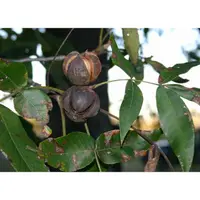
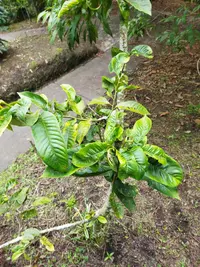
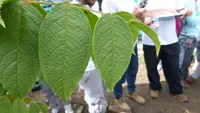
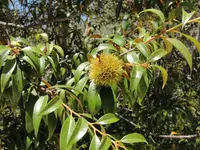
Pignut hickory, Carya glabra, is a long-lived deciduous tree native to eastern North America. It typically develops a tall, straight trunk with a rounded, irregular crown. Bark is gray and furrowed with age, and leaves are compound, giving the tree a light, airy canopy. Nuts are small, hard-shelled, and important for wildlife, though often bitter for people. This species is adapted to dry upland forests and is valued for strong, durable wood. It can be slow to establish and needs space, so site choice is important when planning how to care for pignut hickory. It generally prefers full sun, well-drained soil, and moderate moisture.

Main Plant Requirements

Care Difficulty

Moderate Care

Light Preference

Full Sun

Water Requirements

Moderate Water

Temperature Preference

Cold Hardy

Hardiness Zone

4–9

Soil Texture

Sandy, Loamy, Clay

Soil pH

Acidic (5.5–6.5), Slightly acidic (6.5–7.0)

Soil Drainage

Well-drained

Fertilization

Minimal (feed rarely)

Get Personalized Care Plan

Scan your plant to receive care tips personalized for your specific plant

Available on iOS and Android

How to Care for the pignut hickory

This long-lived hardwood tree develops best with abundant direct sun from an early age.

  • Provide full sun with at least 6–8 hours of direct light daily; 8–10 hours supports strongest trunk and nut production.
  • Young pignut hickory trees tolerate light partial shade, but dense shade slows growth, causes sparse branching, and reduces future nut set.
  • In hot climates, avoid intense reflected afternoon sun on seedlings; use temporary filtered light the first 1–2 summers, then gradually increase exposure.

This deep-rooted species prefers evenly moist, well-drained soil during establishment, then becomes fairly drought tolerant.

  • For young trees, water when the top 5–8 cm of soil feels dry, applying a slow, deep soak so moisture reaches 20–30 cm depth.
  • Reduce supplemental watering in autumn as growth slows; mature Carya glabra in the ground usually needs extra water only during prolonged drought.
  • Watch for stress signals: overwatering causes yellowing leaves and soft new growth, while underwatering leads to leaf scorch, early drop, and dry, hard soil.

This temperate-climate tree is adapted to cold winters and warm summers, with a wide but not unlimited temperature tolerance.

  • Active growth occurs around 65–85°F (18–29°C); young transplants establish best when extreme heat or cold is avoided.
  • Dormant trees tolerate winter lows near -20°F (-29°C); short drops slightly below this may damage fine roots or young stems.
  • Mature trees handle summer heat up to about 95°F (35°C) if soil moisture is sufficient; extended hotter periods increase drought stress and leaf scorch risk.

Humidity is rarely a limiting factor for pignut hickory grown outdoors in its native range.

Carya glabra prefers deep, well-structured mineral soils with consistent moisture and strong drainage.

  • Use a loamy or sandy loam soil with moderate organic matter from composted leaf mold or aged compost.
  • Aim for slightly acidic to neutral pH around 5.5–7.0, avoiding strongly alkaline or compacted sites.
  • Ensure drainage by avoiding heavy clay; improve marginal soils with coarse sand or fine pine bark to increase aeration.
  • Do not plant in areas prone to standing water, hardpan layers, or highly disturbed fill soils.

This species is not suitable for long-term container growing beyond the juvenile stage due to its deep taproot and eventual size.

This native tree usually grows well in average soil, so pignut hickory needs only modest fertilization in managed landscapes.

  • Apply a light layer of compost or well-rotted manure over the root zone once in early spring.
  • On poor soils, use a balanced slow-release NPK fertilizer at half label strength in spring only.
  • Avoid summer and fall feeding to prevent tender late growth that may winterkill.
  • Do not apply fertilizer directly against the trunk; keep a 10–15 cm gap.

Carya glabra benefits from light, targeted pruning to maintain structure and safety rather than tight shaping.

  • Carry out main pruning in late winter while the tree is dormant.
  • Remove dead, diseased, crossing, or storm-damaged branches with clean bypass pruners or a sharp saw.
  • Thin crowded interior branches to improve airflow and develop a strong central leader.
  • Limit cuts to smaller branches where possible to reduce stress and decay risk.

This species is seldom grown long term in containers, so management focuses on careful field transplanting of young trees.

  • Transplant when dormant in late fall or very early spring for lower water stress.
  • Shift container seedlings once roots circle the pot or growth slows, usually every 1–2 years.
  • Choose a deep container or planting hole to accommodate the developing taproot of Carya glabra.
  • Water thoroughly after planting, then maintain even soil moisture and apply mulch to reduce root shock.

Carya glabra is mainly propagated from seed, which requires patience and specific conditions for good germination.

  • Collect mature nuts in fall and remove outer husks before storage or sowing.
  • Provide cold stratification at about 34–41°F in moist medium for 90–120 days to break dormancy.
  • Sow seeds in deep containers or nursery beds with well-drained soil once frost risk has passed.
  • Protect germinating seedlings from rodents and maintain consistent moisture without waterlogging.

This hickory is cold hardy in much of its native range and usually needs minimal winter care once established.

  • Mulch 5–8 cm deep over the root zone, keeping mulch slightly away from the trunk flare.
  • Young or newly transplanted trees benefit from extra mulch and regular watering until the ground freezes.
  • Container-grown plants in colder regions may be sunk into the ground or moved to an unheated, sheltered space.

Care Tips

Plan root space

Before planting, map out at least a 9–12 m radius away from buildings, septic systems, and paved areas, since the deep taproot and wide lateral roots will be difficult to manage or move later.

Use nurse trees

Establish temporary, fast-growing nurse trees (such as short-lived poplars) on the south or west side to reduce wind stress and sunscald on young trunks during the first 5–10 years, then remove them as the hickory canopy closes.

Protect trunk base

Install a light-colored, ventilated trunk guard or hardware cloth cylinder around the lower 60–90 cm of the stem to prevent mower and string-trimmer damage, rodent girdling, and sunscald while still allowing air flow.

Prioritize single leader

In the first 5–8 years, selectively remove or shorten competing upright stems to encourage one strong central leader, which improves long-term structure and reduces storm breakage as the tree matures.

Manage nut litter

If planting near lawns or paths, plan a nut-fall zone and schedule late-summer and autumn sweeping or raking, as this reduces slipping hazards, discourages rodents, and simplifies caring for pignut hickory in high-traffic areas.

Common Pests and Diseases

Hickory bark beetles

These insects bore into the trunk and branches, causing small round exit holes, sawdust-like frass, thinning foliage, and dieback of upper branches. This pest is most problematic on stressed or drought-weakened trees.

Solution

Reduce tree stress with proper watering during drought, mulching the root zone, and avoiding trunk injury, since healthy trees resist attack better. Prune and dispose of infested, dying branches and severely affected trees to remove beetle breeding sites, and consult a certified arborist about timing of preventive trunk insecticide treatments if valuable trees nearby are at risk.

Hickory shuckworm

This pest is a caterpillar-like larva that tunnels into nut shucks, leading to premature nut drop, light nuts, or empty shells. Symptoms include small entry holes and blackened, decayed shucks on developing fruits.

Solution

Collect and destroy dropped nuts and shucks in late summer and fall to break the life cycle, since larvae overwinter in this material. For productive or orchard trees with repeated heavy damage, local extension services or an arborist can advise on targeted insecticide sprays timed to early nut development and adult moth activity.

Hickory leafstem gall phylloxera

These insects cause small, blister-like galls on leaves and petioles that may distort foliage but rarely threaten overall tree health. This pest spends most of its life protected inside the galls, making it difficult to reach with sprays once galls are formed.

Solution

Rake and destroy fallen, gall-infested leaves to reduce overwintering populations and future outbreaks. For severe, recurring infestations on young or ornamental trees, consult an arborist about early-season systemic insecticides applied just as buds break, since this is the only window when insects are exposed.

Anthracnose

This disease causes irregular brown spots along leaf veins, blotchy patches, and sometimes early leaf drop, especially in cool, wet spring weather. Symptoms include scattered dead areas that can merge into larger necrotic sections on leaves.

Solution

Reduce leaf wetness by avoiding overhead irrigation, improving air circulation around the canopy, and removing and destroying infected fallen leaves each autumn. In high-value landscape trees with a history of severe defoliation, a tree care professional may apply preventive fungicides in early spring when buds are breaking and wet weather is expected as part of broader Carya glabra care.

Powdery mildew

This disease appears as a white, powdery coating on leaves, often starting on the lower canopy and shaded inner branches. Symptoms include distorted, stunted new growth and premature yellowing of heavily affected leaves.

Solution

Improve airflow by selectively thinning crowded branches, avoid high-nitrogen fertilization that drives very soft new growth, and ensure the site is not overly shaded. Collect and discard heavily infected leaves and, in persistent cases on ornamental trees, consult an arborist about well-timed fungicide sprays early in the season before mildew becomes widespread.

Interesting Facts

Variable nut bitterness

Pignut hickory produces nuts that range from mildly sweet to distinctly bitter depending on the individual tree and growing site, which affects how much wildlife and people use them as food.

Deep, drought-resilient roots

This species develops a strong taproot early in life, allowing established trees to access deeper soil moisture and tolerate dry periods better than many associated hardwoods.

Fire-tolerant bark

Mature pignut hickory has relatively thick, tight bark that helps it survive low- to moderate-intensity fires, contributing to its persistence in oak–hickory forests with occasional burns.

Botan icon

Did you know?

Pignut hickory wood is very dense, hard, and shock resistant, so it has long been valued in North America for tool handles, agricultural implements, and fuelwood that produces high heat and long-lasting coals.

FAQs about pignut hickory

This species grows slowly to moderately, usually about 30–45 cm per year under good site conditions. Growth is faster in deep, well-drained, slightly acidic soils and slower on compacted, dry, or poorly drained sites.

Grow Healthy Plants with Botan Care

Keep your plants happy and healthy with plant identification, disease detection, and easy care guidance.

Botan plant care app — identify plants on mobile

Explore More Plants