Taproot-friendly containers
Use very deep, straight-sided containers for seedlings and avoid transplanting once the taproot reaches the pot bottom, since root deformation at this stage can permanently stunt long-term growth.

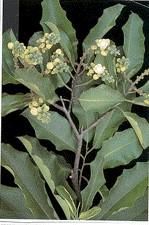
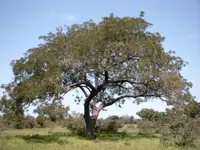
The brazilnut tree, Bertholletia excelsa, is a long-lived tropical canopy tree known for its large, heavy seed pods and nutritious edible nuts. It forms a tall, straight trunk with a broad, high crown in mature forests.
This species is native to the Amazon rainforest in countries such as Brazil, Peru, and Bolivia, where it grows in warm, humid, undisturbed habitats. In cultivation it is considered challenging, as it grows slowly, needs stable warmth, high humidity, deep, well-drained soil, and space.
For those interested in how to care for brazilnut, it is generally better suited to specialized growers, greenhouses, or outdoor tropical conditions than to typical home settings.

Care Difficulty
Hard Care

Light Preference
Full Sun

Water Requirements
Regular Water

Temperature Preference
Tropical / Frost Sensitive

Hardiness Zone
11–12

Soil Texture
Loamy, Sandy, Organic-rich

Soil pH
Acidic (5.5–6.5)

Soil Drainage
Moist but well-drained

Fertilization
Minimal (feed rarely)
Scan your plant to receive care tips personalized for your specific plant
Available on iOS and Android
This large South American tree needs strong, stable light to fuel slow but long-term growth.
This species prefers evenly moist, deep soil without prolonged saturation.
This Amazonian canopy tree thrives in consistently warm, frost-free conditions.
This species prefers moderately humid air but adapts if kept above very dry indoor levels.
Bertholletia excelsa needs deep, well-drained soil that stays evenly moist but never waterlogged.
This tree is only marginally suitable for long-term container growing and is best kept potted only while young.
This large, slow-growing brazilnut tree needs only modest feeding in cultivation.
Bertholletia excelsa needs only minimal pruning to maintain safety and basic structure in cultivation.
This tree is rarely kept long term in containers, so focus on careful transplanting of young plants.
Bertholletia excelsa is almost always propagated from seed and requires patience and warm conditions.
This strictly tropical tree is not frost hardy and needs careful winter management outside its native climate.

Plant Health Check
Not sure what's wrong with your plant? Check your plant's health inside the app.
The brazil nut tree depends on large-bodied female bees from a few genera, such as Euglossa and Xylocopa, which are strong enough to pry open its complex flowers and achieve effective pollination.
Its woody fruit capsules, often called pods, fall to the forest floor and only gradually open, sometimes with considerable force, to release the large seeds commonly known as brazil nuts.
Natural regeneration relies on intact, biodiverse Amazon rainforest, because both the pollinating bees and the main seed-dispersing animals, especially agoutis, require undisturbed forest habitat.

Brazil nut trees are among the tallest and longest-lived trees in the Amazon rainforest, often exceeding 160 ft in height and living for several centuries, with some individuals estimated to be more than 500 years old.
Growth is slow, especially in non-tropical climates. Young trees may add 20–60 cm per year under warm, humid, frost-free conditions. In cooler or drier sites, growth can be much slower, and container plants stay smaller.
Keep your plants happy and healthy with plant identification, disease detection, and easy care guidance.