satinleaf Care (Chrysophyllum oliviforme)

satinleaf

About satinleaf

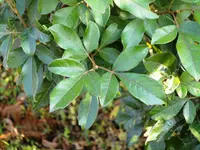
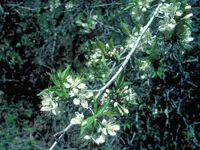
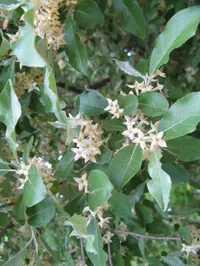
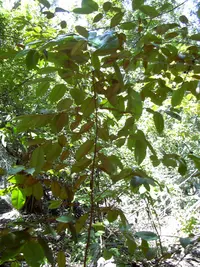
Satinleaf (Chrysophyllum oliviforme) is a broadleaf evergreen tree known for its glossy green leaves with striking copper-brown undersides. It forms a dense, rounded canopy and can grow as a small ornamental tree in suitable climates or a large shrub in protected sites.

This species is native to Florida, the Caribbean, and parts of Central America, where it grows in coastal hammocks and well-drained forests. Moderate growth speed, tolerance of seasonal dry spells, and relative pest resistance make it manageable for home landscapes.

It prefers bright light, evenly moist but well-drained soil, and benefits from some wind protection when young. Understanding these basic needs makes it easier to care for satinleaf successfully.

Main Plant Requirements

Care Difficulty

Moderate Care

Light Preference

Full Sun

Water Requirements

Moderate Water

Temperature Preference

Tropical / Frost Sensitive

Hardiness Zone

10–11

Soil Texture

Sandy, Loamy, Organic-rich

Soil pH

Acidic (5.5–6.5), Slightly acidic (6.5–7.0)

Soil Drainage

Well-drained

Fertilization

Minimal (feed rarely)

Get Personalized Care Plan

Scan your plant to receive care tips personalized for your specific plant

Available on iOS and Android

How to Care for the satinleaf

Chrysophyllum oliviforme grows best in bright, warm climates with consistent sun exposure.

  • Provide 6–8 hours of direct sun daily; full sun is ideal for strong growth, though young satinleaf trees benefit from light afternoon shade in very hot regions.
  • Tolerates partial shade (around 3–4 hours of direct sun) but growth becomes slower and foliage less dense if light stays low.
  • In summer, watch for leaf scorch on exposed western sides; in winter, ensure the site is not permanently shaded by nearby buildings or trees.

Chrysophyllum oliviforme prefers evenly moist but not saturated soil, especially while establishing outdoors.

  • Water when the top 3–5 cm of soil feels dry, applying a deep soak that moistens the root zone rather than frequent shallow splashes.
  • During the first 1–2 years, expect to water more often in hot, dry weather and less in cool or rainy seasons, adjusting based on soil feel rather than a fixed schedule.
  • Ensure well-drained soil; persistent puddling, sour smell, or yellowing soft leaves suggest overwatering, while dull, curling, or browning leaf edges indicate drought stress.

This species is a warm-climate tree that thrives in stable, frost-free conditions.

  • Aim for an optimal range of 70–85°F (21–29°C) for active growth, with good performance in typical subtropical and tropical outdoor conditions.
  • Chrysophyllum oliviforme is sensitive to frost; brief dips to about 32°F (0°C) can damage foliage, and prolonged exposure below 28°F (-2°C) may kill young trees.
  • It tolerates heat up to 95°F (35°C) if soil moisture is maintained, but extended extreme heat combined with drought can cause leaf scorch and tip dieback.

This species handles a wide humidity range but grows best with moderately moist air.

  • Aim for 40–60% humidity; it usually tolerates typical indoor levels without issues.
  • Leaves curling inward or browning at the edges signal humidity stress or combined dryness at roots and air.
  • Increase humidity with grouped plants or a wide pebble tray under the satinleaf container, rather than misting.

Chrysophyllum oliviforme prefers aerated, well-draining, slightly acidic to neutral soil.

  • Use a sandy loam base with 20–30% compost to provide structure and slow-release nutrients.
  • Ensure rapid drainage by blending in coarse sand and perlite so water does not sit around the roots.
  • Target pH around 6.0–7.0; avoid strongly alkaline mixes, which reduce nutrient availability and cause leaf chlorosis.
  • Prevent compaction by avoiding heavy clay and peat-only mixes, which limit aeration and can lead to root rot in wet conditions.

This species can be grown in containers when given enough root space and stable support.

  • Choose a deep, heavy pot that resists tipping, since the plant becomes tall and top-heavy over time.
  • Use a container material that matches your climate; thick clay moderates moisture and heat better than thin plastic outdoors.
  • Elevate the pot slightly off the ground so drainage holes clear freely and excess water cannot pool under the base.

Chrysophyllum oliviforme benefits from modest, steady nutrition rather than heavy feeding.

  • Use a balanced slow-release fertilizer (such as 10-10-10) or well-rotted compost around the drip line in early spring.
  • Feed young trees 1–2 times per growing season; mature trees often need only 1 light application yearly on reasonably fertile soil.
  • Apply fertilizer at half the label rate for container plants and water deeply afterward to avoid root burn.
  • Reduce or stop feeding in late fall and winter, when growth slows and nutrient demand is low.

Chrysophyllum oliviforme responds well to light structural pruning to keep a healthy, stable canopy.

  • Schedule main pruning in late winter to early spring before vigorous new growth begins.
  • Remove dead, diseased, rubbing, or inward-growing branches first to improve airflow and light penetration.
  • Thin congested shoots rather than shortening all tips, which helps maintain a natural form and strong branch structure.
  • Use clean, sharp bypass pruners or a pruning saw, making smooth cuts just outside the branch collar to support proper healing.

This species is usually grown as a landscape tree, so guidance focuses on transplanting young plants from containers into the ground.

  • Transplant in late winter to early spring, once frost risk is low, to allow roots a full season to establish.
  • Look for circling roots, very slow top growth, or a pot that dries out quickly as signals a container plant needs a larger space.
  • Choose a hole 2–3 times wider than the root ball, place the tree at the same soil level, and backfill with native soil, not rich potting mix.
  • Water deeply after planting, keep soil evenly moist for the first season, and avoid disturbing roots to minimize transplant shock while growing satinleaf.

Chrysophyllum oliviforme is most often propagated by seed, with vegetative methods used less frequently.

  • Collect fully ripe fruits, clean off pulp, and sow fresh seeds for better germination rates.
  • Sow seeds in a well-drained mix, keep at 70–80°F, and maintain consistent moisture without waterlogging.
  • Take semi-hardwood cuttings in late spring to summer, use a rooting hormone, and place in high humidity with bright, indirect light.
  • Provide bottom warmth if possible and avoid moving cuttings until a firm root system forms, then pot on gently to reduce stress.

Established Chrysophyllum oliviforme trees in warm climates need minimal winter care, but young or container plants benefit from simple protection in colder areas.

  • The tree is frost-sensitive below about 30°F, so young plants are at risk in rare hard freezes.
  • Apply a 5–8 cm mulch layer over the root zone in late fall, keeping it a few cm away from the trunk to prevent rot.
  • Wrap trunks of young trees with breathable tree wrap and use frost cloth on top growth during forecast cold snaps.
  • Move container plants indoors or into an unheated but frost-free space, and water sparingly while growth is slow.

Care Tips

Wind-hardy training

In the first 2–3 years, lightly stake young trees and gradually loosen ties every 6–12 months so the trunk flexes in the wind and develops the strong wood needed for exposed coastal sites.

Salt management

In coastal landscapes, periodically hose off foliage and the upper soil surface after dry, windy periods to reduce salt buildup that can scorch leaves and slow growth.

Mulch ring strategy

Maintain a 5–10 cm deep, vegetation-free mulch ring extending at least 60–90 cm from the trunk to stabilize soil moisture, protect surface feeder roots, and reduce competition from turfgrass.

Structural pruning start

Within the first 3–5 years, select 3–5 well-spaced main branches and remove tightly upright or rubbing shoots to build a strong scaffold that resists storm damage later in life.

Fruit and wildlife hygiene

During heavy fruiting, regularly collect fallen fruit and leaves to limit nuisance pests, and leave some intact fruit in less-trafficked areas if wildlife habitat is part of the goal when growing satinleaf.

Common Pests and Diseases

Scale insects

This pest feeds on sap along young stems, twigs, and leaves, weakening growth and causing yellowing or dieback. Symptoms include small, dome-shaped or flattened bumps that do not move when touched and may exude sticky honeydew.

Solution

Prune and destroy heavily infested twigs, then gently scrub remaining scale with a soft brush or cloth dipped in diluted insecticidal soap or horticultural oil. Repeat treatments every 7–14 days during active infestations and reduce plant stress with consistent watering and good sunlight exposure.

Cercospora leaf spot

This disease causes small, dark, circular to irregular spots on leaves that may enlarge, merge, and lead to premature leaf drop on satinleaf trees. Symptoms include thinning foliage and a generally sparse canopy, especially after wet, humid weather.

Solution

Collect and dispose of fallen leaves, avoid overhead watering, and improve air circulation around the tree to reduce humidity on foliage. For ornamental or young trees with repeated problems, apply a copper-based fungicide according to label directions at the start of warm, wet periods.

Sooty mold

This disease appears as a black, powdery or velvety coating on leaves and stems that grows on honeydew excreted by sap-feeding insects such as scale or whiteflies. Symptoms include dull, blackened foliage and reduced photosynthesis, though the fungus stays on the surface of plant tissue.

Solution

First control the honeydew-producing insects using targeted methods such as horticultural oil or insecticidal soap. Then gently wash affected leaves with water and a mild soap solution to remove the mold, repeating as necessary while keeping foliage as dry as possible afterward.

Leaf miners

These insects live and feed inside satinleaf leaves, creating winding, pale tunnels that distort the leaf surface. Symptoms include serpentine trails, blotchy patches, and early leaf drop on heavily affected foliage, especially on younger trees or nursery plants.

Solution

Remove and discard mined leaves as soon as tunnels are seen to interrupt the insect life cycle. For ongoing problems, encourage beneficial parasitoid wasps, avoid broad-spectrum insecticides, and use targeted systemic products labeled for leaf miners only when damage is severe and other methods fail.

Interesting Facts

Golden-backed foliage

The tree’s leaves have a distinctive golden-brown, velvety underside caused by dense hairs (trichomes) that help reduce water loss and protect against intense sunlight in its native subtropical habitats.

Specialist bird food source

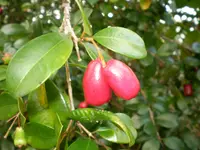
Its small olive-shaped fruits are an important food source for many birds in south Florida and the Caribbean, which in turn disperse the seeds and help maintain coastal hardwood hammock ecosystems.

High wind resistance

This species develops dense, hard wood and a compact canopy structure that make it notably resistant to hurricane winds, so it is sometimes used in coastal plantings where storm tolerance is needed.

Botan icon

Did you know?

The bark of this species naturally exudes a sticky latex-like sap that can trap small insects and has been studied as a minor natural gum resource in its native range.

FAQs about satinleaf

This tree is evergreen in frost‑free climates, holding foliage year‑round and shedding leaves gradually instead of all at once. In marginal cooler areas, brief cold snaps can cause partial leaf drop, but new growth usually follows.

Grow Healthy Plants with Botan Care

Keep your plants happy and healthy with plant identification, disease detection, and easy care guidance.

Botan plant care app — identify plants on mobile

Explore More Plants