white fir Care (Abies concolor)

Also known as: White silver fir, California White Fir, Colorado Fir, Low's Fir, Rocky Mountain white fir, Balsam fir, Concolor Fir
white fir

About white fir

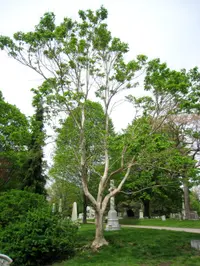
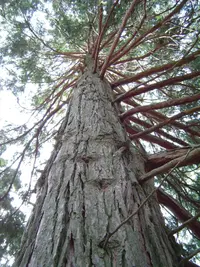
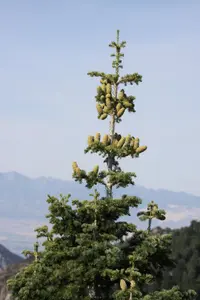
White fir, Abies concolor, is a long-lived evergreen conifer commonly used as a landscape tree and occasionally as a living Christmas tree. It forms a tall, straight trunk with a dense, pyramidal crown that becomes more open with age.

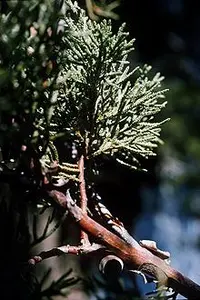
The needles are soft, flat, and usually blue-green to silvery, giving the tree a distinctive cool-toned look. Cones sit upright on the branches and break apart on the tree instead of dropping whole.

In nature, white fir grows in mountainous regions of the western United States and northern Mexico, where winters are cold and summers are relatively dry. It is considered moderately easy to grow if sited in full sun, well-drained soil, and with enough space, and understanding how to care for white fir helps it stay healthy for decades.

Main Plant Requirements

Care Difficulty

Moderate Care

Light Preference

Full Sun

Water Requirements

Moderate Water

Temperature Preference

Cold Hardy

Hardiness Zone

3–7

Soil Texture

Sandy, Loamy, Rocky

Soil pH

Acidic (5.5–6.5), Slightly acidic (6.5–7.0)

Soil Drainage

Well-drained

Fertilization

Minimal (feed rarely)

Get Personalized Care Plan

Scan your plant to receive care tips personalized for your specific plant

Available on iOS and Android

How to Care for the white fir

This species prefers bright outdoor conditions with several hours of direct sun daily for dense, healthy growth.

  • Provide 6–8 hours of sun, with exposure to full sun in cool or mild climates and light afternoon shade where summers are hot.
  • Young white fir trees benefit from some filtered light during their first 2–3 years to reduce needle scorch and transplant stress.
  • Watch for symptoms: sparse, elongated growth and dull needles indicate too much shade, while browning on the south or west side signals excessive intense sun.

This conifer prefers evenly moist but never waterlogged soil, especially during establishment.

  • In the first 2–3 years after planting, water deeply when the top 5–8 cm of soil feels dry, aiming to moisten soil 20–30 cm deep around the root zone.
  • Mature trees usually rely on rainfall; supplement only during prolonged dry periods when needles begin to dull and newer shoots feel less turgid.
  • Ensure sharply draining soil; reduce watering in cool or wet seasons, and avoid standing water, which leads to root rot and yellowing, dropping needles.

This hardy species tolerates significant cold but grows best in cool to moderately warm climates.

  • Optimal growth occurs around 45–75°F (7–24°C), especially where nights cool down and summers are not excessively hot or humid.
  • Abies concolor is cold hardy to about -30°F (-34°C), but young trees benefit from wind protection during severe cold snaps.
  • Heat tolerance is moderate; in regions with frequent highs above 90°F (32°C), combine slightly higher soil moisture with mulch to keep roots cooler and reduce stress.

This conifer handles a wide humidity range and usually does not need special humidity management outdoors.

  • Target 30–60% humidity; it tolerates drier air but grows best when prolonged extremes below 25% are avoided.
  • Dry, browning needle tips and accelerated needle drop can signal very low humidity combined with heat or wind stress.
  • In exposed, hot sites, increase local humidity by using windbreaks, groundcover, or organic mulch to reduce moisture loss around white fir.

Abies concolor prefers deep, cool, well-drained mineral soils with moderate organic content.

  • Use a loamy or sandy loam structure that holds moisture yet drains freely, avoiding heavy, compacted clay that stays wet after rain.
  • Aim for slightly acidic to neutral pH around 6.0–7.0, amending very alkaline soils cautiously to prevent nutrient lockout and needle yellowing.
  • Incorporate compost plus coarse sand or fine gravel in the top 20–30 cm to improve aeration, root penetration, and surface drainage on marginal sites.
  • Avoid low-lying spots with standing water, hardpan layers, or dense subsoil that cause chronic saturation and increase risk of root rot.

This species is only moderately suitable for container growing and is best kept in pots for temporary or juvenile stages.

  • Choose a heavy, stable pot such as thick-walled ceramic or concrete to counteract wind leverage on the tall, upright crown.
  • Select a container deeper than it is wide to accommodate the developing taproot and reduce circling of structural roots.
  • Position the pot where wind exposure is reduced by structures or other plants to limit rocking that can loosen the root mass.

Abies concolor needs minimal feeding when planted in suitable soil, but light nutrition supports healthy establishment and growth.

  • Use a balanced, slow-release fertilizer (for example 10-10-10) or well-rotted compost in early spring for young or stressed trees.
  • Apply once per year during the growing season, lightly worked into the soil over the root zone and watered in well.
  • Reduce or skip feeding in late fall and winter when growth is dormant, especially for established landscape trees.
  • Use fertilizer at label-recommended or slightly reduced strength to avoid excess salts and overly lush, weak growth in white fir.

Pruning Abies concolor is usually limited to health and safety cuts rather than shaping.

  • Best time is late winter to very early spring, before active growth begins.
  • Remove dead, diseased, storm-damaged, or crossing branches back to the branch collar using sharp bypass pruners or a clean pruning saw.
  • Limit cuts on healthy green wood to small adjustments, since heavy pruning distorts the natural pyramidal form and can create weak structure.
  • Avoid cutting the central leader unless it is broken or diseased, as this strongly affects long-term height and shape.

Abies concolor is mostly grown in the ground, so focus on careful transplanting from containers or nursery fields.

  • Transplant in late fall or early spring when soil is workable and air temperatures are cool to reduce transplant shock.
  • Look for roots circling the container or emerging from drainage holes as a sign that a nursery tree is ready to move into the landscape.
  • Loosen or slice circling roots gently before planting, then set the root flare at soil level and backfill with native soil, not rich potting mix.
  • Water thoroughly after planting, then keep soil evenly moist for the first 1–2 growing seasons to support root establishment while avoiding waterlogging.

Abies concolor is typically propagated by seed in professional settings, and home propagation is slow and demanding.

  • Collect ripe cones in late summer to early fall, then dry and extract seeds for sowing.
  • Provide a cold stratification period of about 60–90 days at 34–41°F in moist medium to break seed dormancy.
  • Sow stratified seeds in a well-drained, sterile conifer mix, keep evenly moist, and maintain cool, bright conditions for germination.
  • Semi-hardwood cuttings are possible but often root poorly, even with rooting hormone, so are mainly used by specialized growers.

Abies concolor is a cold-hardy conifer that usually needs little special winter care in the ground.

  • Mature trees tolerate deep frost and snow typical of USDA zones 3–7 without extra protection.
  • Apply a 5–8 cm mulch layer over the root zone in late fall, keeping mulch a few cm away from the trunk to reduce rot risk.
  • For young or container-grown trees, shelter from drying winter winds and consider moving pots to a protected, unheated but frost-free space.

Care Tips

Wind exposure planning

Site young trees where nearby buildings or larger conifers break prevailing winds, or install temporary windbreak fabric for the first 2–3 winters to reduce desiccation and leader breakage.

Protecting central leader

Stake only the main leader loosely with a soft tie during the first 3–5 years if it is bending or forking, then remove the support once the central stem is straight and self-supporting to preserve a strong, symmetrical crown.

Salt damage reduction

If the tree grows near salted roads or walkways, create a low soil berm or use burlap screens on the salt-facing side in winter to limit splash and drift, then hose foliage lightly in early spring to rinse off residual salt.

Mulch ring management

Maintain a 5–10 cm deep mulch ring that extends at least to the drip line, keeping mulch pulled 5–8 cm back from the trunk to stabilize soil moisture, protect surface roots, and reduce mower or string-trimmer injury.

Low-stress transplanting

When transplanting, move the tree while still dormant, keep the root ball intact and wrapped, plant at the same depth as before, and water the root zone slowly for the first full growing season to support successful growing white fir in a new location.

Common Pests and Diseases

Balsam woolly adelgid

This pest attacks the bark and twigs, causing swollen, rough areas and gradual crown thinning and dieback. Symptoms include white, cottony patches on trunks and branches and reduced new growth.

Solution

Prune out and destroy heavily infested branches where practical, and avoid moving infested wood. In landscapes, maintain tree vigor with proper watering and mulch, and consult a certified arborist about targeted systemic insecticides if valuable trees show increasing damage, following local regulations and label directions.

Spruce spider mite

These insects feed on needles, causing fine stippling, a dull gray-green cast, and premature needle drop, especially on lower inner branches. This pest is most active in cool spring and fall weather and often leaves fine webbing on dense foliage.

Solution

Rinse foliage thoroughly with a strong but gentle stream of water, especially on the undersides of needles, 2–3 times over a week to dislodge mites. If damage continues, use a labeled horticultural oil or insecticidal soap during cool weather, ensuring full needle coverage and avoiding application during high heat or drought stress.

White fir needle cast

This disease causes yellowing to reddish-brown discoloration and premature shedding of older needles while current-year needles may remain green. Symptoms include scattered bare sections inside the canopy and needles with visible dark fungal fruiting bodies under magnification.

Solution

Prune out and dispose of heavily affected lower branches to improve air movement through the crown, and avoid overhead irrigation that keeps foliage wet for long periods. For high-value trees with recurring problems, consult a local arborist or extension service about timing and need for preventive fungicide sprays in early spring as new growth emerges.

Cytospora canker

This disease infects stressed branches and sometimes the trunk, leading to browning needles, branch dieback, and oozing resin from cankered areas. Symptoms include sunken, discolored bark patches and progressive death of affected limbs.

Solution

Remove and destroy infected branches by cutting 10–15 cm below visible cankers during dry weather, disinfecting pruning tools between cuts. Reduce stress through regular watering during drought, maintaining a mulch layer over the root zone, and avoiding trunk or root damage, which helps the tree compartmentalize and limit new infections.

Armillaria root disease

This disease attacks roots and lower stems, causing gradual decline, thinning foliage, and eventual tree death, especially in compacted or poorly drained soils. Symptoms include resin exudation at the base, white fungal sheets under the bark, and sometimes clusters of honey-colored mushrooms at the trunk base in fall.

Solution

Remove and properly dispose of severely affected trees, including as much of the major root system as practical, to reduce inoculum for nearby firs and other conifers. When replanting, select a different planting location with better drainage and avoid replanting another white fir in the same spot, focusing on good site preparation, soil aeration, and appropriate species choice to reduce future risk when growing white fir.

Interesting Facts

Distinctive bluish needles

This species often develops striking blue-green to silvery needles, caused by a thick waxy coating (epicuticular wax) that helps reduce water loss in its typically dry, high-elevation habitats.

High-elevation specialist

White fir naturally dominates dry, cold mountain slopes in the western United States, thriving at elevations where many other conifers struggle due to its strong tolerance of low winter temperatures and seasonal drought.

Important wildlife habitat

Mature trees provide dense cover and nesting sites for birds and mammals, while seeds are a food source for species such as squirrels, chipmunks, and some birds, making white fir a key structural species in many montane forests.

Botan icon

Did you know?

Individual white fir trees can live for several centuries, with well-documented specimens exceeding 300 years of age in natural western U.S. forests, making them among the longer-lived montane conifers in their range.

FAQs about white fir

This species grows slowly to moderately, usually adding about 30–60 cm per year once established. Growth is faster in deep, cool, moist but well-drained soil and full light, and slower in hot, dry, or compacted sites.

Grow Healthy Plants with Botan Care

Keep your plants happy and healthy with plant identification, disease detection, and easy care guidance.

Botan plant care app — identify plants on mobile

Explore More Plants