Blue Rug Juniper Care (Juniperus horizontalis 'Wiltonii')

Also known as: Creeping Juniper, Creeping Cedar, Trailing Juniper
Blue Rug Juniper

About Blue Rug Juniper

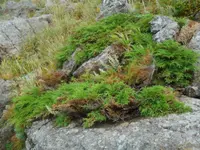
Blue rug juniper, Juniperus horizontalis 'Wiltonii', is a low, ground-hugging conifer widely used as a hardy landscape groundcover. It forms a dense, cascading mat of fine, silvery blue foliage that can spill over rocks, walls, or container edges.

This cultivar comes from a species native to cold, open habitats in North America, so it tolerates wind, poor soil, and low temperatures very well. It grows slowly but steadily and usually needs little pruning, which makes it relatively easy to manage once established.

Understanding how to care for Blue Rug Juniper starts with knowing it prefers full sun, well-drained soil, and relatively dry conditions rather than constant moisture or shade.

Main Plant Requirements

Care Difficulty

Easy Care

Light Preference

Full Sun

Water Requirements

Low Water

Temperature Preference

Cold Hardy

Hardiness Zone

3–9

Soil Texture

Sandy, Loamy, Rocky

Soil pH

Acidic (5.5–6.5), Slightly acidic (6.5–7.0)

Soil Drainage

Well-drained

Fertilization

Minimal (feed rarely)

Get Personalized Care Plan

Scan your plant to receive care tips personalized for your specific plant

Available on iOS and Android

How to Care for the Blue Rug Juniper

This low-growing juniper thrives in open, sunny positions with strong light exposure.

  • Provide full sun for 6–8 hours daily; 4–5 hours is the minimum for dense foliage and good blue color in Blue Rug Juniper.
  • Tolerates light afternoon shade, especially in hotter climates, but too much shade causes thinning, longer, weaker shoots, and duller foliage.
  • In hot summers, protect young plants from intense late-afternoon sun using nearby taller plants or light shade, especially on reflective sites like gravel or pavement.

This groundcover juniper prefers dry to slightly moist soil and is highly drought-tolerant once established.

  • During the first growing season, water when the top 3–5 cm of soil are dry, then water deeply so moisture reaches the full root zone.
  • After establishment, rely mainly on rainfall, watering only during prolonged dry spells when foliage looks slightly dull and branch tips begin to lose firmness.
  • Ensure sharply drained soil; persistent wetness, a sour smell, yellowing foliage from the base, or dieback in patches often indicates overwatering or poor drainage for Juniperus horizontalis 'Wiltonii'.

This hardy juniper tolerates a wide temperature range and is well suited to outdoor conditions in temperate climates.

  • Active growth is strongest around 60–80°F (16–27°C), with good performance in typical spring and fall conditions.
  • Mature plants usually tolerate down to about -30°F (-34°C), so normal frost, snow, and freeze–thaw cycles are not a problem in most regions.
  • Handles summer heat up to about 95°F (35°C) if soil drains well; in heatwaves, avoid water stress and reflective surfaces that can overheat the shallow root zone.

This juniper tolerates a wide humidity range and rarely needs special humidity management.

Juniperus horizontalis 'Wiltonii' prefers lean, fast-draining mineral soils that prevent waterlogging.

  • Use sandy or gravelly loam with 30–50% coarse sand or fine grit to keep the mix open and free-draining.
  • Aim for slightly acidic to neutral pH around 6.0–7.5, avoiding strongly acidic or alkaline extremes.
  • For containers, combine roughly 60% mineral topsoil with 40% coarse material such as pumice, perlite, or small gravel to improve aeration.
  • Avoid heavy clay, peat-heavy mixes, or spots where water stands after rain, as persistent saturation encourages root rot.

This low, spreading shrub is suitable for container growing outdoors when drainage and stability are managed carefully.

  • Choose a wide, low container to accommodate the spreading root system and keep the plant stable against wind and sideways growth.
  • Select a heavy material such as ceramic or concrete in exposed sites so the shallow, mat-forming habit does not tip the pot.
  • Raise the container slightly on pot feet or bricks so water exits freely and the drainage holes never sit in collected runoff.

This low-maintenance groundcover needs modest feeding, so focus on light, infrequent applications rather than heavy fertilization when caring for Blue Rug Juniper.

  • Apply a balanced slow-release fertilizer (for example 10-10-10) once in early spring as new growth begins.
  • Use a light rate, about half the label recommendation, to avoid excessive, weak growth.
  • Skip feeding in late summer and fall so growth hardens before winter; do not fertilize in winter.
  • On poor soils, a thin layer of compost around the root zone in spring can gently improve nutrition.

Pruning for Juniperus horizontalis 'Wiltonii' is mainly corrective, keeping the plant healthy and within its space.

  • Best time is late winter to early spring before active growth, with a light touch in midsummer if needed.
  • Remove dead, diseased, or storm-damaged shoots first, cutting back to healthy wood.
  • Thin congested or overlapping branches to maintain airflow and a low, even matting habit.
  • Use clean, sharp hand pruners and avoid cutting back to bare, brown, non-leafy wood, which may not resprout.

This creeping juniper is usually grown in the ground, so focus on correct site planting and infrequent transplanting rather than container repotting.

  • Transplant in early spring or early fall when temperatures are mild and soil is workable.
  • Move plants only when necessary, such as overcrowding, poor drainage, or clear decline despite proper care.
  • Dig a wide, shallow root ball to capture fibrous roots, and replant at the same depth in well-drained soil.
  • Water thoroughly after planting, then keep soil lightly moist (not saturated) for several weeks to reduce transplant shock.

Propagation of this juniper is commonly done from cuttings or simple layering to maintain the exact creeping form.

  • Take semi-hardwood cuttings in late summer to early fall, 8–12 cm long, from healthy non-flowering shoots.
  • Strip lower foliage, optionally dip bases in rooting hormone, then place in a sharply drained, sandy mix.
  • Keep cuttings in bright, indirect light at 60–70°F with lightly moist, not wet, medium until rooted.
  • For layering, peg a low branch into contact with soil, allow roots to form over months, then sever and replant.

Juniperus horizontalis 'Wiltonii' is cold hardy and usually needs minimal winter care in the ground.

  • In colder regions, apply a 5–8 cm mulch layer around the root zone in late fall, keeping it off the stems.
  • Avoid heavy winter salt spray and piled snow from shoveling, which can burn or break stems.
  • For container plants, use a large, insulated pot and shift to a sheltered, unheated but frost-moderated spot.

Care Tips

Slope And Edging

Plant slightly above grade on a gentle slope or raised edge so water drains away from the crown, which significantly reduces root and stem rot in low spots.


Weed-Suppressing Setup

Lay breathable landscape fabric before planting, then cut X-shaped slits for each plant; this slows weed invasion through the mat-like foliage while still allowing air and water movement.

Snow And Ice Management

In snowy climates, avoid piling shoveled snow or using de-icing salts directly next to the planting area, since heavy snow loads and salt runoff can crush and burn the foliage.

Airflow Between Plants

Space plants so their canopies just touch at maturity rather than heavily overlap, which improves airflow and reduces fungal issues when caring for Blue Rug Juniper in humid or rainy regions.

Targeted Pest Monitoring

Inspect inner stems a few times each year for spider mites and scale, and if found, first use a firm water spray or horticultural oil on a cool, overcast day to control them without stressing the plant.

Common Pests and Diseases

Phomopsis tip blight

This disease causes new shoots to turn dull green, then reddish brown and die back from the tips inward, often giving the plant a scorched appearance on the youngest growth.

Solution

Prune out and discard all blighted shoot tips during dry weather, cutting several cm into healthy tissue, and disinfect pruning tools between cuts. Improve air circulation, avoid overhead watering, and in high-risk landscapes follow label directions for a preventative fungicide on new growth in spring as part of Juniperus horizontalis 'Wiltonii' plant care.

Kabatina tip blight

This disease affects slightly older shoots than Phomopsis, causing sudden browning and death of small branch tips, often with tiny black fruiting bodies visible at the base of the dead section.

Solution

Remove and destroy infected twigs during dry weather, cutting back into healthy wood, and sanitize tools to limit spread. Reduce plant stress by avoiding heavy shearing, maintain good spacing and airflow, and if repeated yearly, use a targeted fungicide timed to early spring as per product directions.

Juniper scale

This pest appears as tiny white or grayish, oyster-shell-like bumps on needles and stems, leading to thinning foliage, loss of the natural blue color, and general decline.

Solution

Prune out heavily infested branches and dispose of them, then wash remaining foliage with a strong but not damaging spray of water to knock off crawlers. For persistent infestations, use horticultural oil or an insect growth regulator timed to the crawler stage, and avoid excess nitrogen fertilizer that encourages tender, susceptible growth.

Spider mites

These insects are actually tiny arachnids that cause fine stippling, dulling, and bronzing of foliage, sometimes with delicate webbing between the branchlets in hot, dry weather.

Solution

Rinse foliage thoroughly with a firm spray of water every few days, focusing on the undersides of foliage, to remove mites and dust. If populations stay high, apply a horticultural oil or insecticidal soap labeled for mites in cool parts of the day, and keep the plant properly watered to reduce drought stress without overwatering.

Cedar-apple rust

This disease causes orange to brown spots and galls on juniper stems and foliage, which can ooze bright orange, gelatinous tendrils in wet spring weather and may thin the plant over time.

Solution

Prune out and discard galls and infected twigs well back into healthy tissue before they sporulate in spring. Where the disease is a recurring problem and nearby apples or crabapples host the other part of the life cycle, consider removing alternate hosts or use a labeled fungicide on juniper during the infection period according to local extension guidelines.

Interesting Facts

Natural dune stabilizer

This cultivar forms a very dense, low mat with long trailing branches that root where they touch sand or loose soil, so it is widely used on coastal slopes and dunes to reduce erosion in harsh, windy sites.

Unusually cold tolerant

It is reliably hardy in very cold climates and maintains its structure and ground-hugging form even where winter temperatures fall well below freezing, which makes it a standard choice for exposed northern landscapes.

Seasonal color shift

The foliage shows bright silvery-blue tones in the growing season, then often shifts to a more steely or purplish cast in winter as protective pigments increase in the scale-like leaves.

Botan icon

Did you know?

Juniperus horizontalis 'Wiltonii' was selected in the early 20th century and became one of the most widely used blue groundcover junipers in North American landscaping, strongly influencing how designers specify low-maintenance, cold-hardy foundation plantings.

FAQs about Blue Rug Juniper

Growth is slow to moderate. In typical garden conditions it lengthens about 5–10 cm per year, sometimes up to 15 cm in ideal sites. It usually reaches near-mature spread in 5–7 years.

Grow Healthy Plants with Botan Care

Keep your plants happy and healthy with plant identification, disease detection, and easy care guidance.

Botan plant care app — identify plants on mobile

Explore More Plants