Sturdy Trellis Training
Install a strong metal or hardwood trellis or pergola early, then loosely tie young shoots with soft ties and redirect one or two main leaders so the vine forms a stable framework that can carry its long-term woody weight.

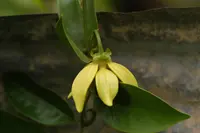
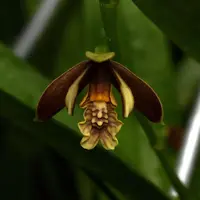
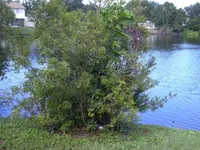
Climbing ilang-ilang, Artabotrys hexapetalus, is a woody evergreen climber known for its strongly scented, yellow-green flowers and dense, glossy foliage. It is often trained on trellises, pergolas, or fences for ornamental and screening purposes.
This species is native to tropical regions of South and Southeast Asia, where it grows in warm, humid conditions. It prefers bright light, moderate moisture, and well-drained soil.
The plant is moderately fast-growing and becomes quite large over time, so it needs structural support and regular shaping. Once established, it is fairly resilient, which helps simplify how to care for climbing ilang-ilang.

Care Difficulty
Moderate Care

Light Preference
Full Sun

Water Requirements
Moderate Water

Temperature Preference
Tropical / Frost Sensitive

Hardiness Zone
10–11

Soil Texture
Sandy, Loamy, Organic-rich

Soil pH
Acidic (5.5–6.5), Slightly acidic (6.5–7.0)

Soil Drainage
Moist but well-drained

Fertilization
Light (every 4–6 weeks)
Scan your plant to receive care tips personalized for your specific plant
Available on iOS and Android
Artabotrys hexapetalus grows best in bright, warm conditions with protection from harsh midday sun.
Water to keep the root zone moist but never saturated, adjusting to season and soil conditions.
This tropical shrub-vine prefers warm, frost-free conditions for reliable growth and flowering.
This species handles a wide humidity range but benefits from slightly moist air in hot conditions.
This plant prefers deep, well-drained, moderately fertile soil that does not stay waterlogged.
This species can be grown in containers if the pot is large, stable, and allows deep root development.
Artabotrys hexapetalus responds well to modest, steady nutrition during the warm growing season.
Targeted pruning keeps Artabotrys hexapetalus manageable and supports flowering on strong wood.
This vine is usually grown in the ground, so focus on careful transplanting or occasional up-potting for container plants.
Artabotrys hexapetalus is commonly multiplied by semi-ripe cuttings and occasionally from seed or layering.
This subtropical species is frost-sensitive and needs protection in regions with cold winters.

Plant Health Check
Not sure what's wrong with your plant? Check your plant's health inside the app.
The flowers release their heaviest scent from late afternoon into the evening, an adaptation that helps attract nocturnal pollinators such as beetles and moths.
This vine climbs using modified flower stalks that curve into hooks, allowing the plant to anchor onto nearby supports rather than using tendrils or twining stems.
The flowers open greenish-yellow and gradually turn deeper yellow as they mature, which likely helps pollinators distinguish fresher, more rewarding blooms from older ones.

In some tropical regions, this species is traditionally planted near homes and temples because its strong, persistent evening fragrance can perfume a wide outdoor area without the need for large numbers of plants.
Lack of flowers usually results from insufficient maturity, light, or nutrients. Young vines may need several years before reliable flowering. Ensure strong support, regular pruning to remove weak wood, and balanced fertilization to direct energy toward flower bud formation.
Keep your plants happy and healthy with plant identification, disease detection, and easy care guidance.