Rock Whitebeam Care (Aria rupicola)

Rock Whitebeam

About Rock Whitebeam

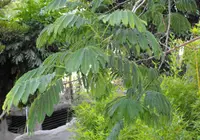
Rock whitebeam, Aria rupicola, is a small deciduous tree or large shrub from rocky uplands in parts of the UK and western Europe. It naturally grows on cliffs, limestone outcrops, and steep wooded slopes.

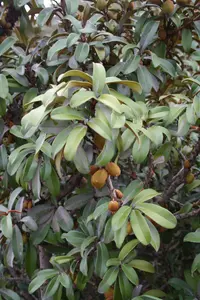
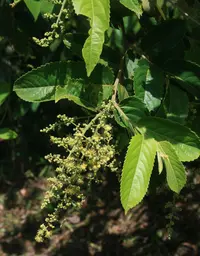
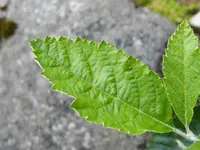
The plant has oval, softly hairy leaves that are dark green above and pale, almost white beneath, giving the canopy a silvery look in the wind. In spring it produces clusters of white flowers, followed by red berries in late summer or autumn.

This species is generally slow-growing and prefers well-drained, alkaline to neutral soils with good light exposure. Its toughness and tolerance of poor, stony ground make it relatively straightforward to care for Rock Whitebeam in suitable climates.

Main Plant Requirements

Care Difficulty

Moderate Care

Light Preference

Full Sun

Water Requirements

Low Water

Temperature Preference

Cold Hardy

Hardiness Zone

5–7

Soil Texture

Loamy, Rocky, Sandy

Soil pH

Slightly acidic (6.5–7.0), Neutral (7.0)

Soil Drainage

Well-drained

Fertilization

Minimal (feed rarely)

Get Personalized Care Plan

Scan your plant to receive care tips personalized for your specific plant

Available on iOS and Android

How to Care for the Rock Whitebeam

This hardy small tree prefers bright, open sites with cool, moist soils.

  • Provide 6–8 hours of direct sun daily; morning and midday sun are ideal, with light afternoon shade in hotter regions.
  • Tolerates light to moderate partial shade, but Rock Whitebeam develops denser crowns and better flowering in full sun exposure.
  • In very hot summers, protect young trees from intense late-afternoon sun to reduce leaf scorch, while in shade-prone sites prune surrounding vegetation to prevent sparse, elongated growth.

This species prefers consistently moist but not waterlogged soil once established.

  • Allow the top 3–5 cm of soil to dry between natural rainfall or irrigation, then water deeply so moisture reaches the root zone.
  • Use well-drained, loamy soil; persistent puddling, sour smell, or wilting with wet soil indicates overwatering and possible root stress in Aria rupicola.
  • In cooler seasons reduce supplemental watering, while in hot, dry spells watch for dull, drooping leaves and dry, crumbly soil as cues to water.

This temperate tree is adapted to cool to mild climates with cold winters.

  • Best growth occurs around 55–70°F (13–21°C), typical of many coastal and upland sites in its range.
  • Established trees tolerate winter lows near 0°F (−18°C), but young plants benefit from protection from severe frost and drying winter winds.
  • Handles brief summer heat up to about 85–90°F (29–32°C) if soil moisture is maintained, but prolonged extreme heat combined with drought can cause leaf scorch and reduced vigor.

This species is naturally tolerant of dry, exposed sites, so humidity is rarely a concern for Rock Whitebeam in outdoor cultivation.

Aria rupicola prefers mineral, freely draining soils that mimic rocky slopes.

  • Use a gritty, loamy or sandy substrate with 20–40% coarse material such as sharp sand, fine gravel, or grit to prevent waterlogging.
  • Aim for slightly acidic to neutral pH, roughly 6.0–7.0, avoiding strongly acidic or alkaline conditions that restrict nutrient availability.
  • In heavier soils, incorporate coarse sand and small gravel rather than large amounts of peat or compost to improve aeration and structure.
  • Avoid compacted clay or low-lying, saturated areas, as poor drainage greatly increases the risk of root rot and decline.

This shrub can be grown in large outdoor containers if given enough root volume and stability.

  • Choose a deep, heavy container that resists tipping, as the plant forms a substantial woody framework in windy sites.
  • Fill the pot with a sharply draining, gritty mix and elevate it on pot feet so drainage holes never sit in standing water.
  • Position the container in a spot where wind exposure is moderated by walls or other structures to reduce leverage on the root ball.

Aria rupicola is a tough, slow-growing tree that benefits from modest feeding rather than heavy fertilization.

  • Apply a balanced slow-release fertilizer (around 8-8-8 or 10-10-10) in early spring for young or establishing trees.
  • Use a light rate only once per year, focusing on trees in poor or very sandy soils.
  • Supplement with a thin layer of compost over the root zone to improve soil structure and microbial life.
  • Avoid feeding in late summer or winter, and never exceed half the label rate for low-maintenance Rock Whitebeam plantings.

Aria rupicola generally needs light, occasional pruning to maintain a healthy, stable crown.

  • Carry out pruning in late winter or very early spring, before new growth begins.
  • Remove dead, diseased, crossing, or storm-damaged branches back to sound wood.
  • Thin congested interior branches carefully to improve light and airflow without over-opening the crown.
  • Use clean, sharp bypass pruners or a pruning saw, making smooth cuts just outside the branch collar.

This species is usually grown as an in-ground tree, so focus on careful transplanting rather than frequent repotting.

  • Transplant young Aria rupicola in early spring or early fall, when soil is moist and temperatures are mild.
  • Move trees that show poor vigor or are root-bound in nursery containers, with roots circling the pot or emerging from drainage holes.
  • Lift with a generous root ball, keep roots shaded and moist, and replant at the same depth in a well-drained site.
  • Water thoroughly after planting, then maintain steady moisture for the first 1–2 growing seasons to reduce transplant stress.

Aria rupicola is usually propagated by seed, with vegetative methods used less often in home settings.

  • Collect ripe berries in autumn, clean off the pulp, and stratify seeds cool and moist for 3–5 months to break dormancy.
  • Sow in a free-draining, gritty seed mix, keeping it evenly moist and in bright, indirect light outdoors or in a cold frame.
  • Use semi-ripe cuttings in midsummer, placed in a sandy medium with bottom heat and high humidity to encourage rooting.
  • Label seedlings and young plants carefully, as growth is slow and plants may take several years to reach plantable size.

This is a cold-hardy deciduous tree that typically needs minimal winter care in most temperate climates.

  • Established trees tolerate normal winter frosts and snow without extra protection.
  • Apply a 5–8 cm mulch layer over the root zone in late fall, keeping it slightly away from the trunk to reduce rot risk.
  • For container-grown plants, move pots to a sheltered, unheated space or against a wind-protected wall to limit root freezing.

Care Tips

Wind‑firm training

In the first 3–5 years, leave a sturdy central leader and selectively remove or shorten competing upright shoots so the tree develops a single, wind‑resistant framework on exposed sites.

Root establishment zone

Keep a 60–90 cm grass‑free mulch ring around the trunk for the first several years to reduce competition, but never pile mulch against the bark to avoid rot and vole damage.

Lime and pH management

On neutral or slightly acidic soils, incorporate crushed limestone or horticultural lime into the wider planting area before planting and recheck pH every 3–4 years, since this calcicole species performs best in alkaline conditions.

Proactive fireblight monitoring

From late spring to midsummer, inspect shoot tips and blossom clusters regularly for blackened, shepherd’s‑crook twigs and remove 20–30 cm of healthy wood beyond the visible damage with disinfected tools to limit fireblight spread in this pome‑bearing species.

Wildlife and browsing control

Use a breathable trunk guard or low fencing during the first 3–4 years in areas with deer or rabbits, because light bark and young shoots are palatable and damage at this stage can permanently distort the crown when growing Rock Whitebeam.

Common Pests and Diseases

Fire blight

This disease causes rapid blackening and dieback of blossoms and young shoots, often giving branch tips a scorched appearance. Symptoms include oozing, amber-colored droplets on infected twigs and cankers on branches in warm, wet conditions.

Solution

Prune out infected shoots and branches at least 20–30 cm below visible symptoms during dry weather, disinfecting tools between each cut with 70% alcohol or a 10% bleach solution. Avoid high-nitrogen fertilization, remove and destroy infected debris, and in areas with a known history of fire blight consider preventive copper or streptomycin sprays at flowering, following local regulations and label directions.

Pear leaf blister mite

This pest creates small, raised, blister-like patches on leaves that start pale and turn brown or black as tissue dies. These mites live within the leaf surface, so damage can look like scattered spots or patches across the canopy.

Solution

Collect and destroy heavily affected fallen leaves in autumn to reduce overwintering mites. For severe infestations, apply a horticultural oil spray at bud break to target mites as they emerge, ensuring thorough coverage of buds and young leaves while avoiding application during frost or high heat.

Rust

This disease produces orange to rust-brown spots or pustules on the underside of leaves and pale or yellow spots on the upper surface. Leaves may yellow early and drop if infection is heavy, reducing plant vigor over time.

Solution

Remove and discard infected leaves as soon as symptoms appear and keep the area under the tree clear of fallen foliage. Improve air circulation around the plant and, where rust is a recurring problem, apply a labeled fungicide at bud break and again as leaves expand, especially in damp springs.

Aphids

These insects cluster on tender shoots and leaf undersides, sucking sap and causing curling or distortion of new growth. Honeydew excreted by aphids can lead to sooty mold on leaves and attract ants.

Solution

Spray affected shoots with a strong stream of water to dislodge aphids, repeating as needed. For persistent colonies, use insecticidal soap or a light horticultural oil, coating leaf undersides and young stems, and encourage natural predators such as lady beetles by minimizing broad-spectrum insecticides.

Apple scab

This disease causes olive to dark brown, velvety spots on leaves and sometimes fruits, leading to early leaf drop in humid seasons. Symptoms include distorted foliage and rough, scabby patches on any developing fruit or seed structures.

Solution

Rake and dispose of fallen leaves to reduce the source of infection and maintain good spacing and airflow around the plant. In areas where apple scab is common, preventive fungicide sprays starting at bud break and repeated through early leaf expansion can protect new growth, following label timing and safety directions for Aria rupicola care.

Interesting Facts

Narrow cliff specialist

This small tree is naturally restricted to rocky limestone cliffs and crags in parts of Britain and Ireland, where it often grows rooted in very shallow crevices exposed to wind and sun.

Tetraploid whitebeam lineage

Genetic studies show that this species is a tetraploid, meaning it carries four sets of chromosomes, and it belongs to a complex group of apomictic whitebeams that reproduce mainly through seed without regular sexual recombination.

Apomictic reproduction strategy

Most individuals set viable seed without cross-pollination through a process called apomixis, which produces offspring genetically very similar to the parent and helps maintain a stable but narrowly distributed lineage.

FAQs about Rock Whitebeam

This species has a slow to moderate growth rate, usually adding about 15–30 cm of height per year. Growth is quickest in youth, then gradually slows as the tree matures and root systems stabilize.

Grow Healthy Plants with Botan Care

Keep your plants happy and healthy with plant identification, disease detection, and easy care guidance.

Botan plant care app — identify plants on mobile

Explore More Plants