Alligator Juniper Care (Juniperus deppeana)

Also known as: Checkerbark Juniper, thickbark juniper, mountain cedar
Alligator Juniper

About Alligator Juniper

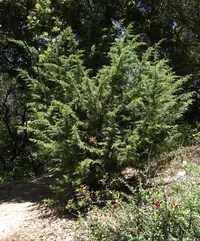
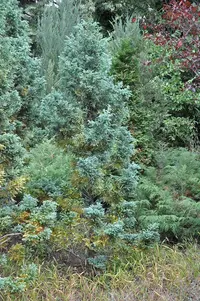
Alligator juniper, Juniperus deppeana, is a long-lived evergreen conifer native to the arid highlands of the southwestern United States and northern Mexico. It often grows as a large shrub or small to medium tree with a broad, irregular crown.

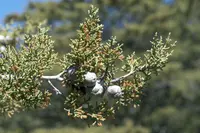
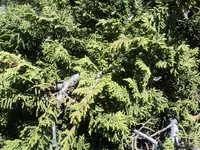
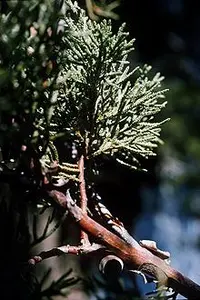
Its thick, gray bark breaks into rough, square plates that resemble alligator skin, which gives the plant its common name. Foliage is made of small, scale-like leaves, and it produces bluish berry-like cones that attract wildlife.

This species is adapted to dry, rocky sites and poor soils, so it is generally tough once established. For those who want to care for Alligator Juniper, it does best in full sun, with good drainage and low to moderate moisture.

Main Plant Requirements

Care Difficulty

Easy Care

Light Preference

Full Sun

Water Requirements

Low Water

Temperature Preference

Cold Hardy

Hardiness Zone

7–9

Soil Texture

Sandy, Loamy, Rocky

Soil pH

Slightly acidic (6.5–7.0), Slightly alkaline (7.0–7.5)

Soil Drainage

Well-drained

Fertilization

Minimal (feed rarely)

Get Personalized Care Plan

Scan your plant to receive care tips personalized for your specific plant

Available on iOS and Android

How to Care for the Alligator Juniper

Juniperus deppeana thrives in open, bright exposures with strong sun.

  • Provide 6–8 hours of direct sun daily; full sun promotes dense foliage and a compact crown in Alligator Juniper.
  • Plant in a position with morning to mid-afternoon sun; light dappled shade in late afternoon is acceptable in very hot, dry regions.
  • Avoid deep shade, which causes sparse, weak growth; in cloudy or high-latitude areas, choose the sunniest, least-obstructed site year-round.

This species is drought-tolerant and prefers infrequent, deep watering once established.

  • In the ground, water only when the soil is dry 5–8 cm down; mature plants may need no supplemental water except during extended drought.
  • Use sharply draining, rocky or sandy soil to prevent standing water, root rot, and foliage yellowing from chronic overwatering.
  • Watch foliage and young shoots: gray, crispy tips indicate prolonged dryness, while sudden browning and dieback with wet soil suggest excess moisture.

This tree is adapted to hot, dry climates with cold winters and wide temperature swings.

  • Optimal active growth occurs around 65–85°F (18–29°C), with strongest extension in warm, bright seasons.
  • Established plants tolerate winter lows near 0°F (−18°C) when rooted in well-drained soil; brief dips a bit below are usually survivable.
  • Mature trees handle summer highs of 95–100°F (35–38°C) if soils are not waterlogged; avoid siting in frost pockets where cold air settles.

Juniperus deppeana tolerates low humidity well and rarely needs special humidity management.

  • Ideal humidity is 20–50%, similar to dry indoor or outdoor air in arid regions.
  • The tree handles very dry air, so humidifiers or pebble trays are usually unnecessary.
  • Humidity stress is uncommon; watch only for extreme drying winds that desiccate new growth and use a windbreak if needed.

Juniperus deppeana thrives in mineral, fast-draining soils that prevent prolonged root wetness.

  • Use a sandy or gravelly loam with coarse structure that allows water to pass through quickly.
  • Aim for slightly acidic to slightly alkaline pH, roughly 6.0–8.0, as long as drainage stays sharp.
  • For containers or amended beds, mix roughly 50–70% coarse sand or grit with pine bark fines and a small amount of compost.
  • Avoid heavy clay, compacted ground, or peat-heavy mixes that stay wet and reduce root aeration.

This species can be grown in containers for many years if managed as a slow, controlled specimen.

  • Choose a deep, heavy container that resists tipping, since the plant becomes woody and top-heavy over time.
  • Use a gritty mix and elevate the pot slightly so drainage holes never sit directly in pooled water.
  • Place the container where strong winds cannot lever the tall crown and loosen the root ball within the pot.

This desert-adapted conifer needs only light feeding in cultivation, as Alligator Juniper is naturally efficient in poor soils.

  • Use a balanced slow-release fertilizer (for example 10-10-10) or thin compost layer once in early spring for in-ground trees.
  • Container plants benefit from a diluted balanced liquid feed at 1/2 strength every 6–8 weeks in spring–summer.
  • Avoid feeding in late fall–winter to prevent tender growth that may be damaged by cold.
  • Do not overapply nitrogen; excess fertilizer increases stress and susceptibility to pests and root problems.

Juniperus deppeana needs minimal structural pruning, mainly to maintain clearance and remove problem wood.

  • Schedule any pruning for late winter to very early spring before new growth starts.
  • Remove dead, diseased, storm-damaged, or rubbing branches first, then thin crowded interior shoots lightly.
  • Use clean, sharp bypass pruners or a pruning saw, making cuts just outside the branch collar.
  • Limit shaping cuts; heavy pruning into old bare wood often fails to resprout and can disfigure the tree.

This species is most often grown in the ground; focus on careful transplanting rather than frequent repotting.

  • Transplant young trees in late fall or early spring when soil is cool and moist but not frozen.
  • Look for signs like circling roots in the container, soil drying very fast, or slowed growth before moving a plant.
  • Choose a site with full sun, sharply draining soil, and dig a hole only as deep as the root ball and 2–3x as wide.
  • Handle roots gently, keep the original soil around them, water thoroughly after planting, and maintain even moisture until established.

Propagation of Juniperus deppeana is possible but slow, so it is usually left to nurseries or specialist growers.

  • Take semi-hardwood cuttings in late summer, 8–12 cm long, from healthy non-flowering tips.
  • Strip lower foliage, wound the base slightly, dip in rooting hormone, and insert into a very well-drained sandy mix.
  • Maintain bright indirect light, high humidity, and cool to moderate temperatures; rooting can take several months.
  • Seeds need cold stratification, then slow germination in free-draining soil, making this a long-term method.

This juniper is cold hardy and usually needs little winter care once established in the landscape.

  • Mature in-ground trees tolerate substantial frost and occasional snow without additional protection.
  • Apply a 5–8 cm mulch layer around, but not touching, the trunk to moderate soil temperature and moisture swings.
  • Young or newly transplanted specimens benefit from windbreaks or burlap wraps in exposed sites to reduce desiccation.
  • Container plants in very cold climates can be moved to an unheated garage or sheltered porch to protect roots from deep freezing.

Care Tips

Wind exposure planning

Site young plants where they receive good air movement but are shielded from the most violent prevailing winds, for example by a fence or boulder, so branches can harden without being torn or twisted.

Trunk flare protection

Keep mulch and gravel pulled back 5–10 cm from the trunk so the bark can form a healthy basal flare, which lowers the risk of rot and helps the alligator-like plates develop cleanly.

Snow and ice management

In snowy climates, gently brush heavy snow off branch tips with a broom in an upward motion and avoid using de-icing salts nearby, which can burn roots and cause dieback on the windward side.

Long-term structural training

During the first 3–5 years, remove or shorten steeply upright competing leaders and narrow crotch-angle branches so the tree develops a single dominant leader and wide-angled scaffold limbs that resist storm breakage.

Firewise spacing practice

In fire-prone regions, place trees at least 3–5 m from buildings and keep lower branches pruned up from ground shrubs or dry grasses, so the canopy is less likely to act as a ladder fuel when growing Alligator Juniper in a residential landscape.

Common Pests and Diseases

Cedar bark beetles

This pest bores into trunks and branches, causing fading foliage, pitch tubes, and branch dieback, especially on drought-stressed trees.

Solution

Reduce stress by providing deep but infrequent watering during prolonged drought, avoid mechanical injury to the trunk, and prune out and destroy infested branches. In high-risk areas, monitor for fresh boring dust and consult a local arborist about timing of preventative trunk sprays if valuable landscape specimens are repeatedly attacked when growing Alligator Juniper outdoors.

Juniper twig blight

This disease causes browning and death of young twigs and branch tips, often starting in the inner canopy where humidity stays higher.

Solution

Prune out dead or blighted twig tips back to healthy green tissue, disinfecting tools between cuts, and dispose of debris away from the plant. Improve airflow by thinning dense growth and avoiding overhead irrigation; where infections recur, a targeted fungicide labeled for juniper twig blight can be applied according to label directions during wet periods.

Juniper mistletoe

This parasitic plant forms swollen areas on branches and sends out green, bushy shoots that steal water and nutrients, leading to gradual decline of affected limbs.

Solution

Remove infected branches at least 30–45 cm below visible swellings to get as much of the internal parasite as possible, and destroy all pruned material. For large trees with heavy infestations, periodic sanitation pruning and, if needed, consultation with a certified arborist are the most effective long-term management options.

Juniper tip moths

These insects tunnel into young shoots, causing distorted, browned, or stunted tips that resemble twig blight but often contain larvae or frass inside.

Solution

Prune and destroy affected shoot tips before larvae complete development, checking cut sections for tunnels. Encourage natural predators by avoiding broad-spectrum insecticides, and in areas with chronic problems, time any targeted treatment to local moth life cycles based on extension service guidance.

Spider mites

This pest thrives in hot, dry conditions and causes dull, bronzed foliage with fine webbing between scale-like leaves, often first noticed on inner branches.

Solution

Rinse foliage thoroughly with a strong but gentle stream of water to knock mites off, repeating every few days during outbreaks, and increase humidity around the plant where practical. For persistent infestations, use a horticultural oil or insecticidal soap labeled for mites on conifers, applying in the cooler part of the day to avoid foliage burn.

Interesting Facts

Distinct alligator bark

Mature trees develop thick, square-plated bark that closely resembles alligator skin, which is the origin of the common name alligator juniper. This unusually blocky bark pattern is especially pronounced on older trunks in dry, upland habitats.

Sky-island specialist

This species is native to high-elevation, isolated mountain ranges in the southwestern US and northern Mexico, often called sky islands. It typically grows on dry, rocky slopes and ridges, where it tolerates intense sun, wind, and limited soil moisture.

Key wildlife resource

The fleshy seed cones, often called berries, are an important food source for birds and mammals such as wild turkeys, robins, and small rodents. Many birds disperse the seeds after eating the cones, which helps the species colonize new rocky sites and supports those interested in growing Alligator Juniper in habitat restoration projects.

Botan icon

Did you know?

Some of the largest known individuals of this species occur in Arizona and New Mexico, where old alligator junipers can develop massive, contorted trunks with bark plates several centimeters thick, providing exceptional fire resistance for a juniper in seasonally dry, lightning-prone landscapes.

FAQs about Alligator Juniper

This species is slow-growing, typically adding about 15–30 cm per year under good conditions. Growth is slower in poor, dry soils and slightly faster with deep, infrequent watering and minimal competition from surrounding vegetation.

Grow Healthy Plants with Botan Care

Keep your plants happy and healthy with plant identification, disease detection, and easy care guidance.

Botan plant care app — identify plants on mobile

Explore More Plants