Encourage Deep Roots
During the first 2–3 years, water more heavily but less often and avoid frequent shallow watering so the root system anchors deeply and the plant becomes more drought-resilient.

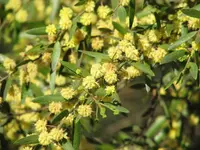
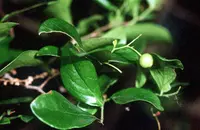
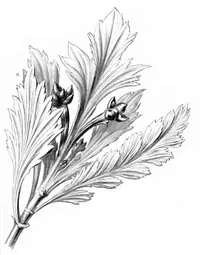
Varnish wattle, Acacia verniciflua, is an evergreen shrub or small tree from southeastern Australia, often found in dry open forests and woodlands. It typically forms a rounded, bushy shape with slender branches and narrow, glossy phyllodes that give a varnished look.
In spring, it produces soft yellow, ball-shaped flower clusters that attract insects and add seasonal color. This species is generally hardy, coping well with poor, well-drained soils and dry conditions once established.
It suits low-maintenance gardens and restoration plantings where a tough, adaptable native is needed. Gardeners who learn how to care for Varnish Wattle usually find it a resilient choice in sunny, free-draining sites.

Care Difficulty
Easy Care

Light Preference
Full Sun

Water Requirements
Low Water

Temperature Preference
Warm Climate

Hardiness Zone
9–11

Soil Texture
Sandy, Loamy, Rocky

Soil pH
Acidic (5.5–6.5)

Soil Drainage
Well-drained

Fertilization
Minimal (feed rarely)
Scan your plant to receive care tips personalized for your specific plant
Available on iOS and Android
Acacia verniciflua prefers bright, open positions that mimic its native dry woodland habitats.
Acacia verniciflua is drought-tolerant once established and prefers infrequent, deep watering in well-drained soil.
This acacia thrives in mild, dry climates and handles both summer heat and light winter cold when established.
Humidity is rarely a limiting factor for Acacia verniciflua in typical home or outdoor conditions.
This species prefers freely draining, relatively poor soil that does not stay wet around the roots.
This species can be grown in containers for several years if given a deep, very free-draining setup.
This drought-tolerant Australian shrub usually needs minimal feeding, especially in the ground.
Pruning Acacia verniciflua is mainly needed to keep a stable structure and remove problem growth.
This species is usually grown in the ground, so focus on careful transplanting of young plants.
Propagation is usually done from seed rather than vegetative methods for this species.
This wattle is moderately cold tolerant and usually needs little winter attention in mild climates.

Plant Health Check
Not sure what's wrong with your plant? Check your plant's health inside the app.
The bark of this species has been traditionally valued in Australia as a rich source of tannins used for leather tanning, reflecting its high content of phenolic compounds that bind to proteins.
In its native southeastern Australian habitats, this shrub often regenerates strongly after bushfire, with heat and smoke helping to trigger germination of its hard-coated seeds.
Young branchlets and leaves can be coated with a shiny, sometimes sticky exudate that gave rise to the common name varnish wattle, as if the surfaces had been treated with a clear varnish.
This species has been recorded as a natural host for the pathogenic fungus Phytophthora cinnamomi in parts of Australia, making it relevant to studies on plant susceptibility and the spread of dieback disease in native ecosystems.
Growth is generally fast for a shrub or small tree. In suitable outdoor conditions it can add around 30–60 cm per year, reaching several meters tall within a few years, especially in well-drained, low-fertility soils.
Keep your plants happy and healthy with plant identification, disease detection, and easy care guidance.