Russian olive Care (Elaeagnus angustifolia)

Also known as: oleaster, Russian silverberry
Russian olive

About Russian olive

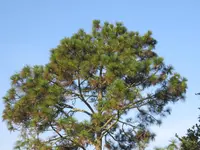
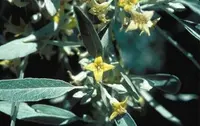
Russian olive, Elaeagnus angustifolia, is a hardy deciduous shrub or small tree known for its silvery leaves, fragrant yellow flowers, and small olive-like fruits. It often forms dense thickets and can grow quickly, creating windbreaks and wildlife shelter.

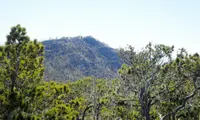
This species is native to parts of Europe and Asia but has naturalized widely in North America, especially in dry, open landscapes and along riverbanks. It tolerates poor, sandy, or alkaline soils and resists drought once established, which makes care for Russian olive relatively straightforward in tough sites.

However, its vigor and ability to spread can make it invasive in some regions, so local guidance and regulations should be checked before planting.

Main Plant Requirements

Care Difficulty

Easy Care

Light Preference

Full Sun

Water Requirements

Low Water

Temperature Preference

Cold Hardy

Hardiness Zone

2–7

Soil Texture

Sandy, Loamy, Rocky

Soil pH

Neutral (7.0), Alkaline (7.5–8.5)

Soil Drainage

Well-drained

Fertilization

Minimal (feed rarely)

Get Personalized Care Plan

Scan your plant to receive care tips personalized for your specific plant

Available on iOS and Android

How to Care for the Russian olive

This hardy shrub thrives in open, bright conditions and is best sited in full sun outdoors.

  • Provide 6–8 hours of direct sun daily; Russian olive flowers and fruits best in unshaded positions.
  • Tolerates light partial shade, such as 3–4 hours of morning sun with bright open sky the rest of the day, but growth may be looser.
  • In hot inland summers, favor morning sun with some protection from intense late-afternoon sun to reduce leaf scorch and stress.

This species is drought-tolerant once established and prefers infrequent, deeper watering to constant moisture.

  • Water only when the top 5–8 cm of soil feels dry, then soak the root zone deeply rather than giving small, frequent drinks.
  • Use well-drained, sandy or loamy soil; standing water, sour smell, or yellowing soft leaves indicate overwatering and poor drainage.
  • During the first 1–2 growing seasons, monitor closely in hot, dry weather; wilting or crisp leaf edges signal the need for a thorough soak.

This shrub is adapted to continental climates with cold winters and hot summers outdoors.

  • Active growth is best at 60–80°F (16–27°C), with good establishment in spring and fall within this range.
  • Dormant plants tolerate winter cold down to about -20°F (-29°C), though young shrubs benefit from shelter from harsh wind.
  • Mature plants handle summer heat up to about 95°F (35°C) if soil is not waterlogged; extreme heat with drought can stunt new growth.

This species tolerates a wide humidity range and rarely needs special humidity management.

This shrub prefers dry, lean, well-drained mineral soils and is very tolerant of poor conditions.

  • Use sandy or gravelly loam with low to moderate organic matter, as overly rich mixes encourage weak, lush growth.
  • Ensure sharp drainage by blending coarse sand or fine gravel into garden soil at about 30–50% by volume.
  • Aim for slightly alkaline to neutral pH around 7.0–8.0; avoid strongly acidic mixes unless amended with lime.
  • For Elaeagnus angustifolia plant care in wetter climates, plant on a mound or raised bed to keep roots from sitting in waterlogged soil.

This species can be grown in large outdoor containers but needs careful management to stay healthy and stable.

  • Choose a heavy, wide-based pot to prevent tipping, as the plant becomes tall and wind-catching over time.
  • Use a deep container that allows an extensive root system, leaving at least 30–40 cm of root depth below the surface.
  • Select a gritty, fast-draining mix in a pot with generous drainage holes so rainfall or irrigation does not pool around the roots.

This drought-tolerant species usually needs minimal feeding, but light nutrition supports healthy growth in poor soils when caring for Russian olive.

  • In average garden soil, apply a light layer of compost around the root zone once in spring instead of heavy fertilizers.
  • On very poor or sandy soils, use a balanced slow-release NPK fertilizer at half strength in early spring.
  • Avoid midsummer and late-season feeding to prevent soft growth that may suffer in winter.
  • Water thoroughly after any fertilizer application to help distribute nutrients and reduce root burn.

Pruning Elaeagnus angustifolia helps manage size, maintain structure, and remove weak growth.

  • Carry out main pruning in late winter or very early spring before new growth starts.
  • Remove dead, diseased, or crossing branches first, then thin crowded interior shoots to improve light and air flow.
  • Shorten overly long branches to shape the canopy and keep the tree within its allotted space.
  • Use clean, sharp bypass pruners or a pruning saw, making smooth cuts just above a bud or branch junction.

This tree is more often transplanted in the landscape than repotted in containers.

  • Plan major transplanting for late fall or very early spring while the tree is dormant and soil is workable.
  • Select a new site with full sun and well-drained soil, and dig a hole 2–3 times wider than the root ball but no deeper.
  • Lift the plant with as much root ball as possible, disturbing roots minimally and keeping them moist during the move.
  • Water deeply after planting, then maintain consistent moisture for the first growing season to reduce transplant stress.

Propagation of Elaeagnus angustifolia is commonly done by seed and semi-ripe cuttings.

  • Collect ripe seeds in late summer or fall, clean them, and use cold stratification (chilling in moist medium) for several weeks to improve germination.
  • Sow stratified seeds in a free-draining mix, keeping it just moist and in bright, indirect light until seedlings emerge.
  • Take semi-ripe cuttings in mid to late summer, 10–15 cm long, from healthy non-flowering shoots.
  • Dip cut ends in rooting hormone and place in a well-draining medium, maintaining high humidity and gentle bottom warmth for best rooting.

This species is generally cold hardy and needs little winter care in most temperate climates.

  • Established plants tolerate frost and freezing temperatures typical of USDA zones 3–7 without extra protection.
  • Apply a 5–8 cm mulch layer around the root zone in late fall, keeping it slightly away from the trunk.
  • For young or newly transplanted trees, avoid winter waterlogging and provide occasional deep watering during dry, unfrozen periods.

Care Tips

Root sucker control

Inspect the base of the plant and surrounding soil 2–3 times a year and promptly cut root suckers at or below ground level to prevent unwanted thickets and keep the plant in a controlled form.

Wind‑firm training

In windy sites, stake young plants loosely for the first 1–2 years and prune to maintain a single, well-spaced framework of 3–5 main branches to reduce windthrow and branch breakage later.

Salinity monitoring

If irrigating with hard or slightly saline water, leach the root zone once or twice a season with a deep, slow soak to flush accumulated salts beyond the active root area.

Nitrogen‑fixation support

Avoid heavy nitrogen fertilization and instead lightly mulch with plain wood chips or shredded bark to support the root nodules that naturally fix atmospheric nitrogen and keep growth balanced.

Containment planning

When growing Russian olive near property lines or natural areas, install a deep root barrier and schedule annual edge inspections to keep the plant from spreading into neighboring ground.

Common Pests and Diseases

Russian olive psyllid

This pest feeds on young leaves and shoots, causing curling, yellowing, and distorted new growth. Heavy infestations can reduce vigor and make the tree look sparse and unhealthy.

Solution

Prune and destroy heavily infested shoot tips and any water sprouts, then hose down foliage thoroughly to dislodge remaining nymphs. If needed, apply an insecticidal soap or horticultural oil thoroughly to the undersides of leaves in late spring when new growth is expanding, following local Elaeagnus angustifolia care instructions and label directions.

Scale insects

These insects attach to twigs and stems, appearing as small, raised bumps and sucking sap from the plant. Symptoms include reduced vigor, yellowing foliage, and sticky honeydew that can encourage sooty mold growth.

Solution

Scrape or prune out heavily infested branches and dispose of them, then wash remaining stems with a stiff spray of water to remove loose scales. During the crawler stage, treat with horticultural oil or insecticidal soap, coating stems and the undersides of leaves, and repeat according to product directions if populations persist.

Verticillium wilt

This disease is caused by a soil-borne fungus that invades the water-conducting tissues, leading to sudden wilting and dieback of branches, often on one side of the tree. Symptoms include yellowing leaves, premature leaf drop, and streaking in the sapwood.

Solution

Remove and destroy affected branches back to healthy wood, sterilizing pruning tools between cuts, and avoid planting other susceptible species in the same area. Maintain moderate, even soil moisture and reduce stress with proper watering and mulching, but remove severely affected trees if decline continues, since the fungus can persist in soil for many years.

Phytophthora canker

This disease affects trunks and lower branches, causing sunken, dark cankers that may ooze resin or dark sap. Symptoms include dieback above the affected area and gradual decline of the tree canopy.

Solution

Cut out small cankers by pruning back to sound wood and discard all infected material away from planting areas, disinfecting tools after each cut. Improve drainage around the base, keep mulch and irrigation water away from the trunk, and avoid trunk injuries that allow the pathogen to enter; severely girdled trees are best removed to prevent hazard and spread of the pathogen.

Leaf spot

This disease produces small brown or tan spots on foliage, which may merge into larger blotches and cause early leaf drop in humid or wet conditions. Symptoms include thinning foliage and reduced vigor over time if defoliation recurs annually.

Solution

Rake and remove fallen leaves to reduce the source of infection and avoid overhead watering to keep foliage as dry as possible. If spots recur and significantly defoliate the tree, apply a labeled copper or other fungicidal spray at bud break and repeat during wet periods, ensuring good spacing and pruning for airflow through the canopy to reduce leaf wetness duration.

Interesting Facts

Nitrogen-fixing shrub tree

Russian olive forms root nodules with actinobacteria in the genus Frankia, allowing it to fix atmospheric nitrogen and grow in very poor, nutrient-depleted soils.

Silver leaf adaptation

Its narrow, silvery leaves are coated with dense hairs that reflect sunlight and reduce water loss, an adaptation that helps the plant tolerate high light, wind, and drought in semi-arid habitats.

Strongly scented spring flowers

The small, yellowish, tube-shaped flowers produced in late spring are highly fragrant and rich in nectar, attracting many pollinating insects despite their inconspicuous appearance.

Botan icon

Did you know?

Russian olive was widely planted in North America in the 20th century for windbreaks and erosion control along rivers and farms, but it later became recognized as an invasive species in many regions because it outcompetes native riparian trees and alters soil nitrogen levels.

FAQs about Russian olive

Brown leaves often result from drought stress, salt spray, or root damage. Check soil moisture, avoid road-salt exposure, and inspect roots for compaction. Prune dead twigs and water deeply but infrequently to support recovery.

Grow Healthy Plants with Botan Care

Keep your plants happy and healthy with plant identification, disease detection, and easy care guidance.

Botan plant care app — identify plants on mobile

Explore More Plants