common chickweed Care (Stellaria media)

Also known as: little mouse-ear chickweed, chickweed, Peppergrass, indian chickweed, scarwort, pamplinas, adder's mouth
common chickweed

About common chickweed

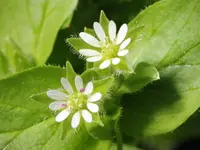
Common chickweed (Stellaria media) is a small, fast-growing annual herb that often appears in lawns, beds, and pots as a self-seeding groundcover. It forms low, mat-like clumps with soft green leaves and small white star-shaped flowers. Native to Europe but now widespread in many temperate regions, it thrives in disturbed soils, gardens, and containers. The plant grows quickly, tolerates regular trimming, and recovers well from minor neglect, which makes it simple to manage once you learn how to care for common chickweed. It generally prefers cool weather, moist but not waterlogged soil, and light shade to gentle sun.

Main Plant Requirements

Care Difficulty

Easy Care

Light Preference

Partial Shade

Water Requirements

Regular Water

Temperature Preference

Cold Hardy

Hardiness Zone

2–9

Soil Texture

Loamy, Silty, Organic-rich

Soil pH

Acidic (5.5–6.5), Slightly acidic (6.5–7.0)

Soil Drainage

Moist but well-drained

Fertilization

Minimal (feed rarely)

Get Personalized Care Plan

Scan your plant to receive care tips personalized for your specific plant

Available on iOS and Android

How to Care for the common chickweed

Stellaria media prefers soft, cool light that mimics woodland or field-edge conditions.

  • Provide 2–5 hours of gentle morning sun with bright shade or dappled light for the rest of the day, especially in warmer climates.
  • Plant in locations with partial shade; strong afternoon sun can scorch foliage and dry soil too fast, especially during summer.
  • In winter, lower sun angles are usually safe, but in hot summers common chickweed benefits from shade cast by taller plants or structures.

Stellaria media favors consistently moist, but not saturated, soil.

  • Water when the top 1–2 cm of soil feels slightly dry, aiming to keep the root zone evenly damp, especially during active spring growth.
  • Use loose, well-drained soil so excess water runs off; soggy ground, standing water, or a sour smell indicate overwatering and root stress.
  • If leaves wilt and the soil feels dry, increase watering; in cool or rainy seasons, reduce added water to avoid waterlogging.

This cool-season annual thrives in mild conditions and declines in strong heat.

  • Optimal growth occurs around 50–68°F (10–20°C), which supports steady leaf production and shallow root development.
  • The plant tolerates light frosts down to about 23–26°F (-5 to -3°C), but repeated hard freezes can damage foliage and reduce vigor.
  • In summer, growth slows or dies back above 80–86°F (27–30°C); partial shade and steady moisture can extend its cool-season window.

Humidity is a minor factor for Stellaria media, which adapts to a broad range of ambient conditions.

Stellaria media prefers moist, loose ground that never stays waterlogged for long.

  • Use a light, loamy mix with plenty of organic matter such as leaf mold or compost for steady moisture and nutrients.
  • Aim for slightly acidic to neutral pH around 6.0–7.0, avoiding strongly acidic or alkaline sites that stunt growth.
  • Improve drainage and aeration by incorporating coarse sand or fine grit so water moves through quickly but the root zone does not dry out instantly.
  • Avoid compacted clay or heavy, crusting surfaces that restrict root spread and increase the risk of rot after rain or irrigation.

This species grows reliably in containers when moisture and drainage are balanced.

  • Choose a wide, shallow container to accommodate its fibrous, surface-focused roots and natural spreading habit.
  • Use a relatively porous pot material such as unglazed terracotta if excess moisture is a risk, since it lets the mix dry a bit faster between waterings.
  • Place the container where rain or irrigation can drain away freely so fine surface roots are not repeatedly flooded at the rim level.

Stellaria media grows in relatively poor soils and usually needs only light feeding.

  • For garden patches, work a thin layer of compost into the top 2–3 cm of soil in early spring to support fresh growth.
  • In containers, use a diluted balanced liquid fertilizer (around 1/4 strength, such as 10-10-10) every 4–6 weeks during active growth.
  • Stop feeding in late fall and winter, when growth slows, to avoid weak, soft tissues.
  • When growing common chickweed in richer soil, skip extra fertilizer to prevent overly lush, floppy growth.

Stellaria media benefits from light, targeted pruning to manage spread and encourage fresh foliage.

  • Trim back leggy or overgrown mats in spring and midsummer to keep plants compact and dense.
  • Shear or pinch off spent flowering stems to reduce self-seeding and direct energy to leaf growth.
  • Remove any yellowing, damaged, or diseased stems with clean scissors to maintain plant health.
  • Use small hand shears for larger patches, cutting just above the foliage to avoid scalping the soil surface.

This species is usually grown in the ground, so care focuses more on transplanting than on repotting.

  • Transplant in early spring or early fall when temperatures are mild and soil stays evenly moist.
  • Move clumps if growth becomes overcrowded, or if patches decline due to nutrient depletion or competition.
  • Lift shallow root mats gently, keeping as much soil on the roots as possible to reduce shock.
  • Replant at the same depth, water thoroughly, and shade for a few days if conditions are hot or windy.

Stellaria media spreads readily, and propagation is most often done by seed.

  • Sow fresh seeds in early spring or fall on the soil surface; press lightly without covering, as they need light to germinate.
  • Keep the substrate consistently moist and cool; seedlings usually appear in 1–3 weeks depending on temperature.
  • Allow a few plants to flower and set seed if a self-sustaining patch is desired, then thin to prevent overcrowding.
  • Small rooted pieces can also be lifted and replanted, provided roots stay moist during transfer.

In most temperate climates, Stellaria media is cold hardy and needs little specific winter care.

  • Plants tolerate light to moderate frosts and often stay semi-evergreen in mild winters.
  • In colder regions, a thin mulch layer can buffer freeze–thaw cycles and protect shallow roots.
  • Container-grown plants left outdoors should have well-drained soil to prevent waterlogging and root rot in cold, wet weather.
  • In very harsh climates, move pots to an unheated, bright sheltered area to avoid complete freezing of the root ball.

Care Tips

Harvest Timing

Cut fresh shoot tips just before flowering to keep plants tender, prevent self-seeding, and encourage a steady flush of new growth for harvest or groundcover use.

Low-Cut Management

If used as a living mulch, mow or shear the patch to 2–3 cm whenever it gets leggy to keep it dense, low, and less likely to smother nearby seedlings.

Controlled Containment

Install a shallow edging strip 5–8 cm deep around beds to limit lateral spread and make it easier to lift out unwanted clumps in one piece.

Clean Propagation

When transplanting, move small clumps with a hand trowel and water them in through a fine rose or gentle hose setting to settle soil without washing away the shallow roots.

Soil Seed Bank Control

Where self-seeding is a concern, remove plants before seed capsules mature and lightly mulch bare soil with 1–2 cm of fine compost to reduce new seedlings while still allowing established plants to grow.

Common Pests and Diseases

Leaf spot fungi

This disease causes small, irregular brown spots on leaves, sometimes with pale centers and a yellow halo, especially in dense, damp patches. Symptoms include gradual thinning as heavily spotted leaves die off early.

Solution

Remove and discard affected foliage and thin out dense patches to improve airflow and faster drying after rain or watering. Avoid overhead watering, keep foliage as dry as possible, and if growing common chickweed in a garden bed, rotate its location and clear plant debris to reduce fungal spore buildup.

Powdery mildew

This disease appears as a white, powdery coating on leaves and stems, often during warm days with cool, humid nights. Symptoms include distorted growth and premature yellowing or drying of foliage in crowded plantings.

Solution

Reduce humidity around the plant by thinning crowded growth and improving air movement, and water at soil level rather than on leaves. Remove and dispose of heavily infected plants to limit spread, and avoid high-nitrogen fertilization that encourages soft, mildew-prone tissue.

Aphids

These insects cluster on tender stems and undersides of leaves, sucking sap and causing curling, yellowing, and sticky honeydew deposits that may attract sooty mold. This pest can reproduce quickly, especially on lush, nitrogen-rich growth.

Solution

Spray plants with a strong stream of water to dislodge colonies and repeat every few days as needed. For persistent infestations, use insecticidal soap or neem oil, thoroughly coating stems and leaf undersides, and encourage natural predators such as lady beetles by avoiding broad-spectrum insecticides nearby.

Two-spotted spider mites

This pest feeds on leaf undersides, causing fine speckling, dulling of foliage, and in heavier infestations, fine webbing between stems and leaves. Symptoms include stressed, pale plants during hot, dry weather, particularly in containers or indoor settings.

Solution

Rinse plants thoroughly with water, focusing on leaf undersides, and increase humidity slightly around the crop if grown under cover. For serious infestations, apply insecticidal soap or horticultural oil at labeled intervals and remove severely damaged plants to reduce mite populations.

Downy mildew

This disease causes pale, yellow to light-green patches on upper leaf surfaces, with a subtle grayish or purplish growth on the undersides in humid conditions. Symptoms include leaf distortion and rapid decline of dense, shaded chickweed stands.

Solution

Improve drainage and air movement, avoid overhead watering, and water early in the day so foliage dries quickly. Remove and destroy infected plants and nearby plant debris, and avoid growing chickweed repeatedly in the same damp, shaded spot to limit recurring infections.

Interesting Facts

Cool-season quick grower

This species germinates and grows best in cool, moist conditions and can complete its life cycle in only a few weeks, allowing multiple generations within a single growing season in mild climates.

Self-fertilizing flowers

The small white flowers often self-pollinate before fully opening, a process called cleistogamy, which helps ensure seed production even when pollinators are scarce.

Nitrogen-rich leaf tissue

Leaf analyses show relatively high nitrogen content compared with many other small annual weeds, which contributes to its tender, succulent texture and preference for nutrient-rich soils.

Botan icon

Did you know?

The seeds of this species can remain viable in soil seed banks for many years and are easily transported by adhering to soil on tools, footwear, and animal fur, which helps explain how it has become naturalized across much of the world.

FAQs about common chickweed

This species spreads quickly through both seed and creeping stems, especially in moist, fertile soil. Regular shallow cultivation, mulching, and prompt removal before seed set are essential parts of practical Stellaria media care in managed beds or lawns.

Grow Healthy Plants with Botan Care

Keep your plants happy and healthy with plant identification, disease detection, and easy care guidance.

Botan plant care app — identify plants on mobile

Explore More Plants

How to Care for common chickweed (Stellaria media)