snow fungus Care (Tremella fuciformis)

snow fungus

About snow fungus

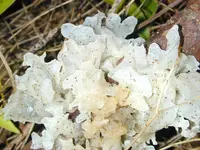
Snow fungus, Tremella fuciformis, is a jelly-like fungus rather than a traditional leafy plant. It forms soft, translucent, frilly clusters that resemble white to pale-yellow coral. In nature, it grows on dead or decaying hardwood in warm, humid forests, especially in subtropical and tropical regions. It is often cultivated commercially for culinary and traditional uses. For home growers, it is moderately easy if proper humidity, warmth, and a suitable wood-based substrate are provided. It does not need light for growth but benefits from stable, gentle conditions. Understanding how to care for snow fungus starts with controlling moisture and airflow around the growing block or log.

Main Plant Requirements

Care Difficulty

Hard Care

Light Preference

Shade

Water Requirements

Keep Soil Moist

Temperature Preference

Tropical / Frost Sensitive

Hardiness Zone

Unknown

Soil Texture

Organic-rich, Peaty

Soil pH

Acidic (5.5–6.5)

Soil Drainage

Moist but well-drained

Fertilization

Minimal (feed rarely)

Get Personalized Care Plan

Scan your plant to receive care tips personalized for your specific plant

Available on iOS and Android

How to Care for the snow fungus

This fungus prefers low to moderate light that mimics a shaded forest environment.

  • Provide 2–4 hours of soft, indirect light per day, such as dappled shade under trees or shade cloth outdoors, to support steady Tremella fuciformis development.
  • Allow bright morning sun only, avoiding direct midday or afternoon sun, which can dry the substrate quickly and reduce fruiting quality.
  • In summer, increase shading as sun intensity rises; in winter, choose the brightest shaded spot available to compensate for shorter days.

Moisture management is critical for healthy growth and fruiting in this jelly fungus.

  • Maintain the substrate consistently moist but never waterlogged; surface should feel damp to the touch but not spongy or flooded.
  • Water when the top 1–2 cm of substrate starts to lose sheen and feel less cool, using gentle, even application instead of heavy dumping that compacts the medium.
  • Reduce watering slightly in cooler seasons to prevent rot, and watch for sour smell or slimy patches as signs of overwatering, and shriveling as a sign of dryness.

Stable, warm conditions support reliable growth and fruiting of this species.

  • Aim for an optimal range of 70–82°F (21–28°C) for active growth, which suits most cultivation methods for snow fungus.
  • Keep temperatures above 50°F (10°C); prolonged exposure below this slows metabolism and can damage developing fruiting bodies.
  • Limit heat spikes above 86°F (30°C), since excessive warmth combined with high moisture encourages bacterial problems; in hot seasons, increase airflow and shading to moderate temperature.

This jelly fungus needs consistently high humidity to form healthy, fleshy fruiting bodies.

  • Aim for 80–95% humidity in the growing area; drier air sharply reduces yield and fruit size.
  • In dry air, snow fungus dries, hardens, and stops expanding, often showing shriveled, translucent lobes.
  • Increase humidity with enclosed growing tents, frequent fine misting, and open trays of water near the substrate.

This species does not grow in regular potting soil but in a wood-based, moist substrate.

  • Use finely chopped hardwood logs, sawdust, or wood chips enriched with about 10–20% wheat bran or similar nutrient supplement.
  • Ensure the substrate drains freely yet holds moisture like a wrung-out sponge, never waterlogged or dripping wet.
  • Maintain a slightly acidic environment, typically pH 5.0–6.5, to support Tremella fuciformis and its host fungus.
  • Avoid compacted, clayey, or peat-only mixes; if needed, add coarse wood chips to improve aeration and structure.

This fungus can be grown in containers such as bags or tubs when conditions stay moist and stable.

  • Choose rigid tubs or bags that allow even distribution of the wood substrate so moisture stays uniform throughout.
  • Drill or use pre-made aeration holes along the sides to balance gas exchange without letting the substrate dry too quickly.
  • Place containers on raised racks so excess water drains away freely and air can circulate under and around them.

Tremella fuciformis is usually grown on nutrient-rich substrates, so only modest supplemental feeding is needed.

  • Use a mild, balanced NPK solution at 1/4–1/2 strength if substrate nutrients decline, especially in intensive cultivation systems.
  • Apply liquid fertilizer every 3–4 weeks during active fruiting, keeping the growing medium evenly moist but not waterlogged.
  • Avoid heavy or frequent feeding, which can upset microbial balance and reduce snow fungus yield and quality.
  • Stop or greatly reduce fertilization during cool, dormant periods when growth and water use slow.

Pruning Tremella fuciformis is minimal and focuses on hygiene rather than shaping.

  • Remove spent, discolored, or decaying fruiting bodies promptly to limit mold and bacterial growth.
  • Cut away obviously contaminated or damaged substrate sections using clean, sharp tools.
  • Discard overcrowded clusters if air circulation is poor, which helps maintain drier surfaces and healthier growth.
  • Sterilize blades with alcohol before and after use to reduce spread of fungal and bacterial pathogens.

Tremella fuciformis is not repotted like a typical plant but managed by renewing or changing its growth substrate.

  • Replace or refresh the log or sawdust block when fruiting declines noticeably or contamination increases.
  • Plan substrate changes for warm, stable conditions, as sudden temperature swings increase stress and infection risk.
  • Prepare new, fully colonized host substrate before discarding the old one to keep production continuous.
  • Handle blocks gently, avoid dropping or compressing them, and maintain similar moisture and ventilation to reduce shock.

Tremella fuciformis is propagated through specialized fungal techniques rather than standard plant methods.

  • Use clean culture methods to produce spawn on grain or other sterile media, rather than seeds or cuttings.
  • Inoculate a compatible host substrate, typically hardwood logs or supplemented sawdust, during warm, stable weather.
  • Maintain high humidity, gentle air movement, and stable 70–80°F temperatures for colonization and fruiting.
  • Keep tools and containers disinfected to limit competing fungi and bacteria, which greatly affect success.

Cold conditions strongly influence outdoor or unheated cultivation of Tremella fuciformis.

  • Assume poor frost tolerance; keep cultivated blocks above freezing whenever possible for continued viability.
  • In cold climates, move bags or blocks into a sheltered, frost-free space such as a garage or insulated shed.
  • If grown outdoors on logs, mulch around the base and use breathable covers to buffer rapid freeze–thaw swings.
  • Reduce watering in cool conditions while preventing the substrate from drying out completely.

Care Tips

Sterilize Substrate Thoroughly

Pressure-sterilize hardwood-based substrate at 250°F for 60–90 minutes to reduce competitor fungi and bacteria before inoculation, then cool completely in a closed container to avoid recontamination.

Pair With Helper Species

Co-culture Tremella with a compatible host fungus such as certain Auricularia species on the same log or bag, as this often improves fruiting since Tremella is naturally parasitic and performs better with a living fungal partner.

Control Inoculation Density

Use a relatively high spawn rate (8–12% of wet substrate weight) and distribute it in multiple small layers rather than one thick layer to help the mycelium colonize quickly and outcompete contaminants when growing snow fungus.

Optimize Log Preparation

If using logs, cut fresh, healthy hardwood during the dormant season, rest the wood for 2–4 weeks to reduce excessive sap, then drill evenly spaced holes and seal inoculation points with food-grade wax to maintain internal moisture and hygiene.

Manage Fruiting Moisture

During fruiting, mist the air around the culture rather than spraying the fruit bodies directly, and ensure fine droplets instead of large splashes to keep the jelly-like tissue hydrated while minimizing bacterial soft rot risk.

Common Pests and Diseases

Green mold

This disease causes fast-growing green patches on the substrate or cultivation bags and competes strongly with the fungus for nutrients. Symptoms include reduced or deformed fruiting bodies and a powdery green surface on grains or sawdust.

Solution

Remove and discard heavily contaminated bags or blocks, as green mold spreads quickly. For remaining culture, improve hygiene, reduce handling, increase fresh air exchange, and ensure proper pasteurization or sterilization of substrate before inoculation to favor Tremella fuciformis growth.

Bacterial soft rot

This disease leads to water-soaked, slimy, and foul-smelling fruiting bodies that collapse easily. Symptoms include translucent, mushy tissue and rapid decay under warm, wet conditions.

Solution

Promptly remove and discard all affected fruiting bodies and reduce humidity slightly while increasing air movement to dry surface moisture. Clean growing rooms, shelves, and tools with a suitable disinfectant, avoid standing water, and maintain good temperature and humidity control as part of basic Tremella fuciformis care instructions.

Mite infestation

These pests are tiny arthropods that feed on mycelium and young fruiting bodies, slowing growth and causing malformed or aborted clusters. Symptoms include dusty-looking patches that move on close inspection and reduced yield.

Solution

Isolate infested batches, remove heavily damaged blocks, and clean the growing area thoroughly, focusing on cracks and dust. Improve sanitation, use fine mesh on vents, control humidity and temperature to discourage mites, and where allowed apply targeted miticidal products labeled for mushroom production according to directions.

Fungus gnats

These insects lay eggs in damp substrate; larvae feed on mycelium and developing fruiting bodies, which can reduce yield and open pathways for secondary infections. Adults appear as small dark flies hovering around substrate bags or blocks.

Solution

Use yellow sticky traps to reduce adult populations, keep floors and corners dry, and avoid excess standing water in the grow room. Seal or filter air inlets, remove heavily infested blocks, and if needed apply biological controls such as Bacillus thuringiensis israelensis (Bti) formulations labeled for fungus gnat larvae in mushroom systems.

Interesting Facts

Parasitic jelly fungus

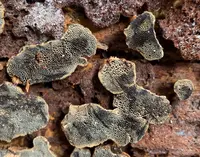
This species does not grow directly from wood like many mushrooms but parasitizes another crust-like fungus, usually on dead hardwood branches in warm, humid forests.

Heat-loving decomposer

It occurs naturally in subtropical and tropical regions and fruits mainly in hot, rainy seasons, helping break down dead wood and recycle nutrients in forest ecosystems.

Long history of cultivation

It has been cultivated in East Asia since at least the 19th century, and modern commercial production typically uses sawdust or grain-based substrates and a specific host fungus to trigger fruiting.

Botan icon

Did you know?

In laboratory and commercial settings, this species is often produced using a dual-culture system, where it is grown together with its specific host fungus on the same substrate because it struggles to form normal fruiting bodies on its own.

FAQs about snow fungus

Yes, this species is edible and widely used in East Asian cuisine and traditional medicine. It is usually eaten cooked, often in soups or desserts. Always source it from reputable suppliers to avoid misidentification with other fungi.

Grow Healthy Plants with Botan Care

Keep your plants happy and healthy with plant identification, disease detection, and easy care guidance.

Botan plant care app — identify plants on mobile

Explore More Plants