turkey tail mushroom Care (Trametes versicolor)

Also known as: Many-zoned Polypore, Turkey tail mushroom
turkey tail mushroom

About turkey tail mushroom

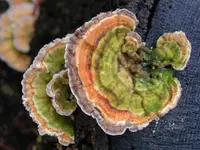
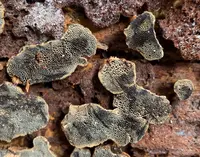
Turkey tail mushroom, Trametes versicolor, is a wood-decaying fungus, not a typical houseplant. It forms thin, fan-shaped brackets that overlap in colorful bands of brown, tan, blue, and cream, resembling a turkey’s tail. These fruiting bodies grow on dead or dying hardwood logs and stumps in forests, parks, and shaded wood piles. It is common and widespread in temperate regions, including much of North America. Trametes versicolor is generally vigorous and resilient outdoors where there is consistent moisture and decaying wood. For those who want to care for turkey tail mushroom, stable humidity, cool to mild temperatures, and a shaded, moist wood substrate are the main requirements.

Main Plant Requirements

Care Difficulty

Moderate Care

Light Preference

Partial Shade

Water Requirements

Keep Soil Moist

Temperature Preference

Cool Climate

Hardiness Zone

Unknown

Soil Texture

Organic-rich, Peaty, Loamy

Soil pH

Strongly acidic (4.5–5.5), Acidic (5.5–6.5)

Soil Drainage

Moist but well-drained

Fertilization

Minimal (feed rarely)

Get Personalized Care Plan

Scan your plant to receive care tips personalized for your specific plant

Available on iOS and Android

How to Care for the turkey tail mushroom

This wood-decay fungus prefers low to moderate light similar to a shaded forest understory.

  • Provide bright shade or dappled light, such as under trees or on the shaded side of logs, avoiding direct midday sun.
  • Aim for 1–3 hours of soft morning sun with the rest of the day in open shade; strong afternoon sun can dry fruiting bodies and substrate.
  • In summer, increase shade or use leaf litter to prevent drying; in winter, bare deciduous canopies still provide enough diffuse light for turkey tail mushroom.

Moist, not waterlogged, conditions are essential for healthy colonization and fruiting.

  • Keep the substrate or decaying wood consistently damp; allow the surface to feel slightly moist but not soggy before rewetting.
  • Use rain or gentle soaking to rehydrate when the surface feels dry to the touch or the wood feels noticeably lighter, especially in warm, windy weather.
  • Avoid standing water and foul odors, which indicate waterlogging; cracked, brittle fruiting bodies signal prolonged dryness and the need for more frequent moisture.

This species is adaptable but fruits best in cool to mild conditions.

  • Optimal active growth occurs around 55–75°F (13–24°C), with many strains fruiting strongly in the cooler part of this range.
  • The mycelium can often survive brief drops near 25–30°F (-4 to -1°C), but repeated hard freezes may slow or pause development.
  • Fruiting can continue up to about 80–85°F (27–29°C) if moisture is high and wood is shaded; prolonged heat and drying winds reduce vigor and shelf quality.

This bracket fungus requires consistently high humidity to form healthy fruiting bodies.

  • Aim for 80–95% humidity around turkey tail mushroom blocks or logs, especially during fruiting.
  • Dry air causes pale, cracked, curled caps and stalled growth at the edges of the colony.
  • Increase humidity with frequent fine misting, humidity tents, or placement in a shaded, sheltered outdoor area.

This wood-decaying fungus does not grow in soil but in lignin-rich woody material.

  • Use fresh, undecayed hardwood logs or sterilized sawdust blocks instead of any loamy or sandy substrate.
  • Aim for a slightly acidic to neutral environment, roughly comparable to pH 5.5–7, typical of many hardwoods.
  • Ensure the log or block drains freely and never sits in standing water, which promotes bacterial rot and competitor molds around Trametes versicolor.
  • Maintain internal aeration by avoiding overly compact sawdust and by drilling spaced holes rather than splitting or crushing the wood.

This species can be grown in containers when inoculated into sawdust or small hardwood blocks.

  • Choose a rigid tub or bucket that holds the block snugly to limit shifting while still allowing air space around it.
  • Drill side and lid holes so moisture stays high inside while allowing enough gas exchange to prevent carbon dioxide buildup.
  • Elevate containers on slats or bricks so any condensate or leaked water can drain away rather than pooling at the base.

Trametes versicolor typically grows on nutrient-rich wood and needs little to no additional fertilizer.

Pruning is minimal for Trametes versicolor, but some management can keep cultivated logs productive and tidy.

  • Best timing is late winter or after main fruiting flushes when brackets are firm but past prime.
  • Remove dead, decayed, or insect-damaged brackets by cutting cleanly at the base with a sharp knife or pruning shears.
  • Thin overcrowded brackets to improve airflow and reduce mold, keeping a few healthy shelves spaced along the log.
  • Avoid cutting into the woody substrate itself to prevent unnecessary damage to the living mycelium.

Outdoor cultivation focuses on moving or replacing hardwood logs rather than true repotting.

  • Transplant or replace logs when fruiting declines sharply over 2–3 seasons or the wood is largely decomposed.
  • Best timing is early spring or fall, when temperatures are mild and moisture is consistent.
  • For container-grown blocks, shift to a slightly larger, well-drained tray only if mycelium reaches all edges and airflow is poor.
  • Handle colonized wood gently, keep it shaded and evenly moist, and avoid letting it dry out during or after relocation.

Trametes versicolor is commonly propagated using colonized wood or grain spawn rather than by cuttings or seed.

  • Use fully colonized plug, sawdust, or grain spawn to inoculate fresh hardwood logs or sterilized substrate blocks.
  • Best season is spring to early summer, when outdoor temperatures are stable and moisture is moderate.
  • Drill holes in fresh logs, insert spawn, then seal with wax to maintain humidity and exclude contaminants.
  • Keep inoculated material shaded, evenly moist, and well ventilated to allow strong mycelial growth before fruiting.

This wood-decay fungus is naturally cold hardy and usually needs little winter care outdoors.

  • Established mycelium in hardwood logs tolerates freezing, including light snow and frost, in most temperate climates.
  • For container or bag culture, move substrates to a sheltered, unheated space to limit repeated freeze–thaw cycling.
  • Maintain some ambient humidity but avoid waterlogged conditions that can encourage bacterial rot in cold weather.

Care Tips

Use Fresh Hardwood

For reliable fruiting, inoculate only freshly cut, disease-free hardwood logs (like oak or maple) that are 10–20 cm in diameter and no more than 1–2 months old so the mycelium faces minimal competition from wild fungi.

Seal Inoculation Points

After drilling and plugging spawn holes, seal every opening with food-grade wax to reduce moisture loss, block contaminant fungi, and improve colonization success.

Stack Logs Correctly

Arrange inoculated logs in a shaded, off-ground crib or lean-to stack so air can move freely between them, which helps prevent mold while keeping them evenly moist.

Shock For Fruiting

Once logs are fully colonized (often 9–18 months), soak them in clean, cold water for 12–24 hours to trigger a flush of fruiting bodies, then allow them to drain vertically in a shaded area.

Harvest At Prime Stage

Cut clusters when the caps are thin, flexible, and brightly colored, before they become tough and dull, which supports ongoing productivity and is a key part of caring for turkey tail mushroom over several seasons.

Common Pests and Diseases

Parasitic polypores

This disease involves other wood-decay fungi colonizing the same log or stump and overgrowing the turkey tail fruiting bodies. Symptoms include distorted, suppressed, or partially overrun brackets and changes in color or texture on the log surface.

Solution

Remove and discard sections of wood that are heavily overrun and harvest any healthy brackets promptly. For ongoing Trametes versicolor care, start new cultures on fresh, clean hardwood and avoid using wood that already shows diverse competing fungal fruiting bodies.

Dark green molds

This disease appears as powdery or velvety dark green patches on the substrate or directly on young brackets, often caused by Trichoderma or similar molds in high-humidity, low-airflow conditions. Symptoms include stalled or misshapen fruiting edges and a strong, musty odor from the growing area.

Solution

Physically cut out and discard moldy substrate or fruiting bodies, then increase ventilation and slightly reduce humidity. In future batches, use well-sterilized or properly pasteurized substrate and avoid overcrowding trays or bags to limit mold establishment.

Fungus gnats

These insects are small, dark, mosquito-like flies whose larvae feed in the moist substrate around mycelium. This pest can cause slow, uneven growth and may introduce secondary molds or bacteria into the growing medium.

Solution

Use yellow sticky traps to reduce adult numbers and allow the surface of the substrate to dry slightly between misting while keeping humidity adequate for fruiting. Cover fresh inoculations with fine mesh or filter patches to block adults from laying eggs and promptly remove any overly wet, sour-smelling substrate.

Springtails

These insects are tiny, jumping arthropods that thrive in constantly wet organic material and can graze on mycelial surfaces. This pest is usually a sign of overly wet or decomposing substrate rather than direct severe damage but may slow colonization.

Solution

Improve drainage and airflow around the growing containers and reduce free water on surfaces while maintaining general humidity. Remove any decayed or anaerobic substrate, and if populations remain high, move the culture to a cleaner, better-ventilated area and restart on fresh substrate if necessary.

Bacterial blotch

This disease presents as slimy, water-soaked, yellow to brown patches on the surface of brackets, often linked with stagnant air and water droplets sitting on the fruiting bodies. Symptoms include softening tissues and an unpleasant odor in badly affected areas.

Solution

Promptly trim off and discard affected brackets and reduce direct misting on the fruiting surfaces, focusing instead on raising ambient humidity. Increase fresh air exchange, space out fruiting clusters, and disinfect tools and cutting surfaces between harvests to limit bacterial spread.

Interesting Facts

Highly efficient decomposer

This species is a white-rot fungus that breaks down both lignin and cellulose in wood, playing a key role in returning locked-up carbon and nutrients to forest soils.

Distinct zoned coloration

The characteristic banded pattern of browns, creams, and blues comes from differing pigment concentrations in each growth zone, which form as the fungus responds to small changes in moisture and temperature over time.

Widespread genetic diversity

Although the fruiting bodies look similar across continents, molecular studies show that what is currently called Trametes versicolor contains substantial genetic diversity, and some lineages may represent distinct but closely related species.

Botan icon

Did you know?

Trametes versicolor produces a complex array of extracellular enzymes, including laccases and peroxidases, that are studied for use in bioremediation to help break down environmental pollutants such as certain dyes and industrial chemicals.

FAQs about turkey tail mushroom

Growth is relatively quick once wood is well colonized. After inoculation, it often takes 6–12 months for visible brackets to form, then new tiers can appear seasonally as long as the woody substrate remains intact and moist.

Grow Healthy Plants with Botan Care

Keep your plants happy and healthy with plant identification, disease detection, and easy care guidance.

Botan plant care app — identify plants on mobile

Explore More Plants