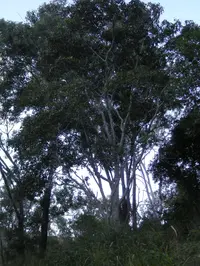
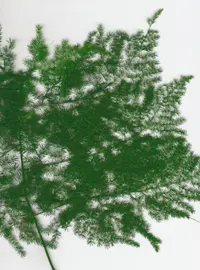
African dream herb Care (Entada rheedei)

Also known as: snuff box sea bean, cacoon vine
African dream herb

About African dream herb

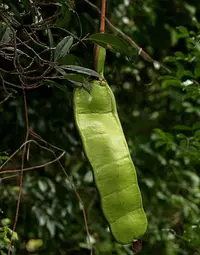
African dream herb, Entada rheedei, is a large tropical vine best known for its very long woody pods and oversized, glossy seeds. In nature it grows as a vigorous liana, climbing high into trees in warm, humid forests of Africa, Asia, and parts of Australia.

The plant has tough stems, compound leaves, and a fast, sprawling growth habit that needs strong support in cultivation. It is usually grown from the decorative seeds, which can be slow to sprout and require warmth and patience. For those learning how to care for African dream herb, it generally prefers bright light, steady moisture, and a well-drained, airy growing medium.

Main Plant Requirements

Care Difficulty

Hard Care

Light Preference

Full Sun

Water Requirements

Moderate Water

Temperature Preference

Tropical / Frost Sensitive

Hardiness Zone

11–12

Soil Texture

Sandy, Loamy, Organic-rich

Soil pH

Acidic (5.5–6.5), Slightly acidic (6.5–7.0)

Soil Drainage

Well-drained

Fertilization

Minimal (feed rarely)

Get Personalized Care Plan

Scan your plant to receive care tips personalized for your specific plant

Available on iOS and Android

How to Care for the African dream herb

This vigorous tropical climber prefers bright, warm conditions with some protection from harsh sun.

  • Provide 4–6 hours of direct morning sun with light afternoon shade, or bright filtered light all day in hotter regions.
  • Tolerates partial shade (2–4 hours sun) but growth and flowering of African dream herb may slow if light is too low.
  • Avoid intense midday sun in summer, which can scorch young leaves; in cooler months, allow more direct light to support active growth.

This species prefers consistently moist but not waterlogged root conditions, similar to a riverbank edge.

  • Water when the top 2–4 cm of soil feels dry, then soak thoroughly so excess drains away, especially during active warm-season growth.
  • Use deep, well-drained soil so roots stay moist yet aerated; pooling water or a sour smell indicates poor drainage and risk of rot for Entada rheedei.
  • In cooler or dry-dormant periods, reduce watering frequency; watch for drooping, crisp leaf edges (too dry) versus yellowing, soft leaves (too wet).

This tropical liana thrives in warm, frost-free climates with only minor temperature fluctuation.

  • Optimal growth occurs around 70–86°F (21–30°C); sustained warmth supports vigorous vine and leaf development.
  • Protect from temperatures below 50°F (10°C); brief drops to 41–45°F (5–7°C) may be survived but can cause leaf damage and growth slowdown.
  • Entada rheedei tolerates short heat spikes up to about 95°F (35°C) if roots stay moist and shaded, but any frost can kill young shoots.

This species prefers moderately humid air but usually adapts to typical indoor levels if not too dry.

  • Aim for 50–70% humidity, especially during active growth or in heated homes.
  • Crisping leaf edges, stalled growth, and leaf drop indicate humidity stress and excessively dry air.
  • Increase humidity with a nearby tray of water and pebbles, clustered plants, or a room humidifier rather than misting African dream herb directly.

This vigorous climber needs airy, sharply draining soil that still holds some moisture.

  • Use a loose, sandy-loam mix with high organic matter to mimic Entada rheedei’s natural riverbank habitats.
  • Combine roughly 40% peat-free compost, 30% coarse sand, and 30% perlite or small bark to improve drainage and aeration.
  • Keep pH slightly acidic to neutral (pH 6.0–7.0), avoiding strongly alkaline mixes that reduce nutrient availability.
  • Avoid dense, clay-heavy, or constantly wet media, which encourage root rot and poor oxygen supply around the roots.

This species can be grown in containers if the pot supports its vigorous climbing habit and large root system.

  • Choose a deep, heavy container that resists tipping as vines become long and top-heavy on a support structure.
  • Select thick-walled terracotta or similar breathable material if extra moisture loss is needed in humid or rainy climates.
  • Elevate the pot slightly so drainage holes clear surfaces, allowing rapid escape of excess water after deep watering.

Entada rheedei grown in containers benefits from light, measured feeding during active growth.

  • Use a balanced liquid fertilizer (such as 10-10-10) at 1/4–1/2 strength every 4–6 weeks in spring and summer.
  • Alternatively, apply a thin layer of mature compost or a low-dose slow-release fertilizer at the start of the warm season.
  • Skip or greatly reduce feeding in fall and winter when growth slows and the vine may rest.
  • Flush the pot with plain water occasionally during the growing season to prevent salt buildup around the roots.

Pruning Entada rheedei helps control its vigorous climbing habit and maintain safe, manageable growth.

  • Carry out main pruning at the end of winter or early spring before strong new growth starts.
  • Remove dead, damaged, or crossing stems first, then thin very crowded vines to improve light and air flow.
  • Shorten overly long runners to guide the vine along its support and prevent it from smothering nearby plants or structures.
  • Use clean, sharp bypass pruners and make cuts just above a node to encourage branching from healthy points.

This large liana is usually grown in the ground, so transplanting young plants is more common than frequent repotting.

  • Transplant or shift to a larger container in late spring when roots circle the pot, growth slows, or the plant dries out very quickly.
  • Plan on moving container-grown plants every 2–3 years into a deeper, heavier pot that can anchor the vine and support a sturdy trellis.
  • Handle the root ball gently, disturbing roots as little as possible; set at the same depth in fresh, well-drained mix and water thoroughly.
  • Reduce sun and wind exposure for 3–7 days after transplanting, and keep soil evenly moist to limit transplant shock.

Entada rheedei is most often propagated from seeds rather than vegetative cuttings.

  • Scarify the very hard seed coat by gently filing, nicking, or soaking in warm water for 12–24 hours to improve water uptake.
  • Sow in late spring or early summer in a free-draining, slightly moist medium kept around 75–85°F.
  • Place seeds 1–2 cm deep and maintain high humidity with bright, indirect light until germination, which may be slow and uneven.
  • Provide bottom heat if possible and avoid waterlogging, since saturated media greatly increase the risk of seed rot.

This tropical vine has poor frost tolerance and needs protection in regions with cool or cold winters.

  • In climates below USDA zone 10, grow Entada rheedei in a large container so it can be moved indoors before nights drop below 50°F.
  • Overwinter indoors in bright light with temperatures ideally above 60°F and allow the top layer of soil to dry slightly between waterings.
  • In mild climates, apply a 5–8 cm mulch layer around the root zone in late fall to buffer brief cool spells and soil temperature swings.

Care Tips

Early vine training

Install a sturdy vertical trellis or wires as soon as new shoots appear and gently spiral the young vines around the support every 3–5 days to prevent tangling and stem damage later.

Container root control

If grown in a pot, use a deep, heavy container and root-prune the outer 2–3 cm of the root ball every 1–2 years when repotting to keep the plant manageable and reduce structural stress from its vigorous growth.

Support load management

Regularly check that beams, pergolas, or trellises can bear the increasing weight of mature stems and pods, and thin out a few older, woody vines each year to avoid overloading the structure.

Seasonal hardening outdoors

When moving a plant from indoors to an outdoor position, increase light and wind exposure gradually over 7–10 days to toughen tissues and reduce leaf scorch or breakage.

Clean tool practice

Always prune with sharp, disinfected tools and make angled cuts just above a node, which reduces the risk of disease spread and encourages controlled branching when growing African dream herb.

Common Pests and Diseases

Leaf beetles

This pest feeds on young foliage and tender shoots, leaving irregular holes and notches along leaflet edges. Symptoms include skeletonized leaves, slowed vine growth, and occasional defoliation on young plants or seedlings.

Solution

Hand-pick adults and larvae in the early morning and drop them into soapy water, and prune heavily damaged vine tips to stimulate new growth. Where pressure is high, protect young plants with fine mesh netting and use a targeted spinosad or pyrethrin-based spray only on active infestations, following label directions and avoiding spray during flowering to reduce impact on pollinators.

Pod borers

These insects tunnel into developing pods and seeds, causing premature yellowing, shriveling, and internal damage that is often only visible once pods are opened. Symptoms include frass (insect droppings) at small entry holes and poor-quality or empty seeds.

Solution

Inspect pods regularly, remove and destroy any that show entry holes or frass, and collect and dispose of fallen pods to break the life cycle. Where seed production is important, use light trapping to monitor moth activity and consider fine mesh bagging of developing pods on a few selected vines for cleaner seed.

Scale insects

This pest attaches along stems and leaf undersides as small, immobile bumps that suck sap and weaken the vine. Symptoms include sticky honeydew, sooty mold growth on surfaces, and stunted, yellowing foliage, especially in African dream herb indoor care situations.

Solution

Gently scrape or wipe scales off stems with a cloth or soft brush dipped in diluted alcohol, and prune out sections with heavy infestations. Follow up with repeated applications of horticultural oil or insecticidal soap, coating stems and leaf undersides every 7–10 days until new growth appears clean and vigorous.

Anthracnose

This disease causes small, dark, sunken spots on leaflets and sometimes on young stems and pods, which may enlarge into irregular dead patches. Symptoms include yellowing around lesions, early leaf drop, and a general decline in vigor in warm, wet conditions or prolonged overhead watering.

Solution

Remove and dispose of affected leaves and pods, avoid overhead irrigation, and water at soil level to keep foliage dry. Improve spacing and airflow around vines, and if conditions stay wet, use a copper-based or biofungicide product labeled for anthracnose on legumes, applying at the first sign of spotting and repeating as directed during high-risk weather.

Powdery mildew

This disease appears as white, powdery patches on upper leaf surfaces, especially on older foliage in dry air with poor circulation. Symptoms include leaf yellowing, curling, and premature drop, which can reduce flowering and pod set on heavily affected vines.

Solution

Increase air movement around the plant by pruning congested growth and supporting vines on a trellis, and avoid excessive nitrogen fertilization that encourages soft, mildew-prone tissue. At first signs, remove heavily infected leaves and apply a sulfur, potassium bicarbonate, or neem oil-based fungicide labeled for powdery mildew, repeating at 7–14 day intervals as needed while conditions favor infection.

Interesting Facts

Massive sea-dispersed seeds

This species produces very large, buoyant seeds that can survive long periods in seawater and drift across oceans, allowing the plant to colonize distant tropical coasts and river mouths.

Gigantic woody liana

It grows as a high-climbing woody liana in moist tropical forests, using surrounding trees as support and forming long, rope-like stems rather than a free-standing trunk.

Traditional dream-related use

In several African cultures, the white inner tissue of the seed has been traditionally used in rituals associated with vivid or significant dreams, which is why plant enthusiasts sometimes search for African dream herb care instructions.

Botan icon

Did you know?

The seeds of this species are among the classic "sea-beans" that wash up on beaches far from their point of origin, and historical records note them being collected as curiosities and charms by coastal communities on both African and Asian shores.

FAQs about African dream herb

This species is a vigorous woody liana that climbs rather than creeping along the ground. In cultivation it produces long, twining stems that need a strong support, such as a trellis, arbor, or sturdy fence.

Grow Healthy Plants with Botan Care

Keep your plants happy and healthy with plant identification, disease detection, and easy care guidance.

Botan plant care app — identify plants on mobile

Explore More Plants