Livistona mariae Care (Livistona rigida)

Also known as: central Australian, red cabbage palm
Livistona mariae

About Livistona mariae

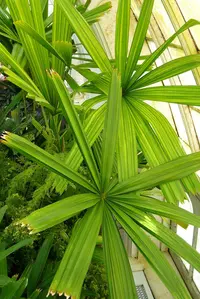
Livistona mariae, often called the Central Australian fan palm, is a slow-growing, trunk-forming palm with stiff, rounded fan leaves. Mature plants develop a tall, slender trunk topped by a dense, symmetrical crown.

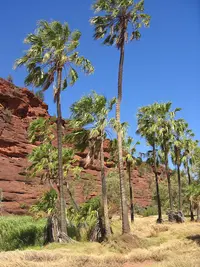
This species naturally occurs along permanent watercourses and gorges in arid central Australia, where it tolerates heat and brief dry periods if roots can reach moisture. Livistona rigida is closely related and often treated as the same or a very similar taxon in cultivation.

In gardens or large containers, it suits warm climates, full sun to bright light, and well-drained soil with regular watering. Once its needs are understood, it is straightforward to manage and learn how to care for Livistona mariae.

Main Plant Requirements

Care Difficulty

Moderate Care

Light Preference

Full Sun

Water Requirements

Moderate Water

Temperature Preference

Warm Climate

Hardiness Zone

9–11

Soil Texture

Sandy, Loamy, Rocky

Soil pH

Slightly acidic (6.5–7.0), Neutral (7.0)

Soil Drainage

Well-drained

Fertilization

Minimal (feed rarely)

Get Personalized Care Plan

Scan your plant to receive care tips personalized for your specific plant

Available on iOS and Android

How to Care for the Livistona mariae

Livistona rigida prefers high light levels that mimic open, sunny woodland or savanna edges.

  • Provide 6–8 hours of direct sun daily outdoors, ideally strong morning sun with some protection from intense late-afternoon summer sun in very hot climates.
  • The species handles light, shifting shade for part of the day but will develop thinner, more open crowns if kept below about 4 hours of direct sun.
  • Juvenile plants benefit from filtered light in the first 1–2 years, similar to caring for Livistona mariae, then can be transitioned gradually into fuller sun to avoid leaf scorch.

Livistona rigida naturally grows near seasonally moist sites and prefers evenly moist but not saturated soil.

  • Water when the top 3–5 cm of soil feels dry, allowing deeper soil to stay slightly moist; in sandy ground this often means more frequent but shorter soakings.
  • During hot, dry periods, increase watering depth so moisture reaches 20–30 cm, watching for folded, dull fronds as an indicator of underwatering stress.
  • Ensure fast drainage and avoid standing water around the root zone; yellowing lower fronds, soft leaf bases, or sour-smelling soil suggest chronic overwatering or poor drainage.

This species is a heat-tolerant palm that prefers warm conditions and is only mildly cold hardy.

  • Optimal growth occurs around 70–90°F (21–32°C), with steady warmth promoting faster leaf production and stronger trunks in exposed sites.
  • Mature plants can tolerate brief drops to about 28–30°F (-2 to -1°C), but repeated frosts damage fronds and young palms are more vulnerable.
  • In hot regions, values above 100°F (38°C) are tolerated if soil moisture is maintained and the root zone is mulched, reducing heat stress and water loss.

This species handles a wide range of household humidity but performs best with slightly raised levels.

  • Aim for 40–60% humidity; it tolerates occasional drops lower but extended very dry air can slow growth.
  • Watch for brown, crispy leaflet tips and increased spider mite activity as signs of humidity stress, similar to caring for Livistona mariae.
  • Increase humidity with a nearby open tray of water and stones or by grouping plants, rather than misting foliage directly.

Livistona rigida prefers sharply draining, mineral-rich soil that still retains moderate, even moisture.

  • Use a sandy loam mix of roughly 40% medium-grit sand, 30% loam or compost, and 30% perlite or fine bark for structure.
  • Ensure very free drainage; the mix should feel gritty and open, never sticky or compacted after watering.
  • Keep pH slightly acidic to neutral, around 6.0–7.2, avoiding strongly alkaline or saline conditions that cause leaf tip burn.
  • Improve aeration by blending in chunky amendments like pine bark or pumice and avoiding heavy clay-based bagged mixes.

This species can adapt reasonably well to container growing if given a stable, well-drained setup.

  • Select a deep, heavy container that resists tipping, as the developing crown becomes tall and wind-sensitive outdoors.
  • Choose a pot material that matches your climate, such as thicker ceramic to slow moisture loss in hot, dry areas.
  • Leave several centimeters between the root ball and pot wall so roots can extend downward without circling tightly too soon.

Livistona rigida benefits from light, targeted feeding in containers, while in-ground plants often manage with minimal enrichment.

  • Use a balanced slow-release NPK fertilizer or well-aged compost for potted plants at the start of spring.
  • Feed every 8–10 weeks through the warm growing season, adjusting based on growth and leaf color.
  • Apply fertilizers at half the label rate to avoid salt buildup and root burn in confined soil volumes.
  • Suspend feeding in winter, similar to caring for Livistona mariae, when growth slows and nutrient demand drops.

Livistona rigida needs only light, selective pruning to maintain health and a tidy crown.

  • Carry out pruning in late winter or early spring before strong new growth starts.
  • Remove only dead, yellowing, or badly damaged fronds, cutting close to the trunk without injuring it.
  • Avoid removing green, healthy fronds, as this reduces vigor and weakens the palm over time.
  • Use clean, sharp bypass loppers or a pruning saw, disinfecting blades between plants to limit disease spread.

Livistona rigida resents frequent disturbance, so repotting or transplanting is done only when clear stress signs appear.

  • Check for roots circling the pot, emerging from drainage holes, or noticeably slowed growth as signals to move up 1 pot size.
  • Schedule repotting or transplanting for late spring to early summer, when soil is warm and active growth supports recovery.
  • Plan on container repotting every 3–4 years at most, refreshing the top 3–5 cm of mix annually instead of full disturbance.
  • Handle the root ball gently, keep it as intact as possible, water deeply after planting, and shade for 1–2 weeks to limit transplant shock.

Livistona rigida is propagated mainly from seed, which can be slow and demands warmth and patience.

  • Collect fresh, fully ripe seeds, clean off fruit flesh, then soak 24 hours to improve water uptake.
  • Sow in a free-draining, sandy mix, barely covering the seeds, and keep the medium evenly moist but never waterlogged.
  • Maintain 77–86°F bottom warmth and bright, indirect light; germination may take several months.
  • Transplant seedlings into individual pots once roots are firm and the first true leaves have formed, disturbing roots as little as possible.

Livistona rigida prefers mild winters and needs some attention in regions with frost or freezing conditions.

  • In-ground plants tolerate light, brief frosts but can suffer leaf damage in prolonged freezes below about 25°F.
  • Apply a 5–8 cm mulch layer around the root zone, keeping it slightly away from the trunk to insulate soil.
  • For young or container plants, move indoors or into a sheltered, bright, frost-free space during hard freezes.

Care Tips

Wind-hardening young plants

Grow seedlings and young plants in a slightly wind-exposed but still sheltered spot so the trunks and petioles gradually strengthen, reducing breakage when they are later planted in full, open positions.

Root run management

When planting near paving or structures, install a vertical root barrier 45–60 cm deep on the building side to keep the strong root system directed downward and away from foundations while still allowing adequate soil volume for long-term growth.

Salt and dust rinsing

In coastal or dusty inland areas, hose the foliage every 4–6 weeks in the morning to remove salt and dust films that interfere with photosynthesis and encourage scale insects.

Basal sucker control

Inspect the base yearly and remove any basal suckers or adventitious shoots while they are small, using clean, sharp tools, to maintain a single, strong trunk and reduce overcrowding at the crown.

Storm preparation pruning

In cyclone- or storm-prone regions, schedule light cleaning of dead or badly tattered fronds before the windy season so that loose material does not tear into healthy tissue or increase wind load, which is an important part of caring for Livistona mariae in similar climates.

Common Pests and Diseases

Palm aphids

This pest forms dense colonies on the undersides of fronds and along leaf stalks, sucking sap and causing yellowing, sticky honeydew, and sooty mold growth. Symptoms include distorted new growth and reduced vigor, especially on young container or landscape plants.

Solution

Prune and discard heavily infested fronds, then hose down remaining foliage to dislodge colonies. For ongoing control, use repeated applications of insecticidal soap or a light horticultural oil, ensuring thorough coverage of the undersides of fronds and the crown while avoiding treatment during high heat or direct midday sun.

Red spider mites

These insects thrive in hot, dry conditions, feeding on the undersides of fronds and causing fine speckling, dulling, and bronzing of foliage. Symptoms include very fine webbing between leaf segments and premature browning of older fronds.

Solution

Increase humidity around the plant and regularly rinse the foliage with a firm but gentle spray of water, focusing on the undersides of the fronds. If populations persist, apply insecticidal soap or a miticide labeled for palms in several treatments 7–10 days apart, monitoring new growth closely.

Palm leaf spot

This disease causes tan to dark brown, often circular or irregular lesions on fronds, sometimes with yellow halos and small black fungal structures in the spots. Symptoms include premature spotting and death of older leaves under humid or poorly ventilated conditions.

Solution

Remove and dispose of affected fronds, improve spacing and airflow around the plant, and avoid wetting the foliage late in the day. In areas with repeated problems, apply a copper-based or other palm-labeled fungicide at the first appearance of new spots, following label directions carefully.

Ganoderma butt rot

This disease attacks the lower trunk and root collar, leading to gradual decline, reduced frond size, and eventual crown collapse; hard, bracket-like conks may appear near the trunk base. Symptoms include slow decline despite adequate water and nutrients and a hollow or spongy lower trunk when advanced.

Solution

There is no effective curative treatment, so affected trees should be removed promptly, including as much of the stump and major roots as possible, and not replaced with another palm in the same spot. Maintain good site drainage and avoid trunk injuries or chronic waterlogging to reduce the risk in remaining or new palms.

Scale insects

These insects appear as small, fixed bumps on fronds, petioles, and sometimes the crown shaft, sucking sap and causing yellow spotting, leaf drop, and general decline. Symptoms include sticky honeydew on lower foliage or surfaces and sooty mold that blackens leaves.

Solution

Gently scrape or wipe off localized infestations with a soft cloth or brush, then use horticultural oil or insecticidal soap to smother remaining scales, repeating applications to catch newly hatched crawlers. Encourage or conserve natural predators such as lady beetles in outdoor plantings, and avoid excessive nitrogen fertilization that can promote outbreaks while following Livistona rigida plant care guidelines.

Interesting Facts

Monsoon flood specialist

This species grows naturally on rocky riverbanks and floodplains in northern Australia and is adapted to seasonal monsoon flooding, tolerating periods of waterlogged soils that would damage many other palms.

Rock-anchored root system

In the wild, its roots often penetrate into crevices of sandstone and other rocky substrates, allowing the palm to remain anchored and upright along steep gorge walls and river cliffs.

Important gorge canopy

Along waterways in Kakadu and other northern Australian national parks, this fan palm forms much of the mid to upper canopy in gorges, providing habitat structure and shade for many birds, bats, and understorey plants.
Botan icon

Did you know?

The species has a highly restricted natural range in the monsoonal tropics of northern Australia, where it is closely tied to specific sandstone gorge and river systems, making it an important indicator of intact riparian habitats in those landscapes.

FAQs about Livistona mariae

This palm grows slowly to moderately, often adding about 15–30 cm of trunk per year once established. Early growth is spent building a strong root system, so visible height increase can be quite gradual for several years.

Grow Healthy Plants with Botan Care

Keep your plants happy and healthy with plant identification, disease detection, and easy care guidance.

Botan plant care app — identify plants on mobile

Explore More Plants