Deep root establishment
For young plants, maintain a wide, weed‑free mulch ring 60–90 cm around the base to keep soil moisture stable and encourage deep, wind‑resistant root development without letting mulch touch the trunk.

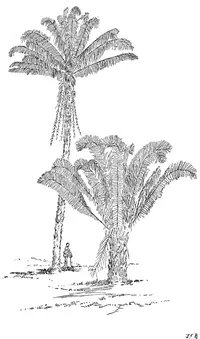
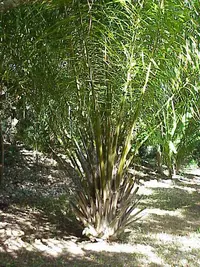
Acuri palm, Attalea phalerata, is a large, single-trunk palm native to tropical South America, especially the Brazilian Pantanal and surrounding regions. It forms an impressive crown of long, arching fronds that create deep shade beneath the canopy.
In nature, this palm often grows in open savanna or seasonally flooded areas and produces clusters of large, oil-rich fruits valued by wildlife and local communities. It is a slow to moderate grower and ultimately reaches substantial size, so it suits spacious gardens in warm climates more than small indoor spaces.
Understanding how to care for Acuri Palm starts with replicating its preference for bright light, consistent warmth, and evenly moist but well-drained soil.

Care Difficulty
Hard Care

Light Preference
Full Sun

Water Requirements
Regular Water

Temperature Preference
Tropical / Frost Sensitive

Hardiness Zone
11–12

Soil Texture
Sandy, Loamy, Organic-rich

Soil pH
Acidic (5.5–6.5), Slightly acidic (6.5–7.0)

Soil Drainage
Moist but well-drained

Fertilization
Minimal (feed rarely)
Scan your plant to receive care tips personalized for your specific plant
Available on iOS and Android
This large tropical palm requires strong light to develop a full, healthy crown.
This species prefers consistently moist but not saturated soil, especially in warm climates.
This palm is adapted to warm, frost-free climates and suffers damage from cold snaps.
This palm prefers moderately humid air but tolerates brief drier periods if watered correctly.
Attalea phalerata prefers deep, fast-draining, slightly sandy substrates with stable moisture.
This species can be grown in containers for its juvenile phase, but it becomes very large and heavy over time.
Attalea phalerata benefits from modest, consistent nutrition during active growth in warm months.
Attalea phalerata needs minimal pruning focused on safety, health, and access around the palm.
This large palm is usually grown in the ground, so care centers on transplanting young specimens rather than frequent repotting.
Attalea phalerata is propagated almost exclusively from seeds, which germinate slowly and need warm, stable conditions.
This tropical palm is frost sensitive and needs thoughtful winter care in most temperate regions.

Plant Health Check
Not sure what's wrong with your plant? Check your plant's health inside the app.
The large oily fruits are a major food resource for wildlife in southwestern Amazonia, especially for macaws, tapirs, peccaries, and other mammals that can crack or carry the heavy drupes.
This palm often grows in seasonally burned savanna-forest mosaics and can resprout after fire because the main growing point is protected within the stem, allowing populations to persist despite recurrent burning.
Local communities use the long, durable leaves for roofing thatch and rely on the strong leaf fibers and midribs to make brooms, baskets, and other household items.

In parts of Bolivia and adjacent regions, dense stands of this species form nearly monospecific palm groves called palmares, which structure the entire landscape and strongly influence which animals and understory plants can live there.
Growth is slow to moderate. In suitable tropical or subtropical outdoor conditions, this species can eventually reach 10–20 m tall with a broad crown, but it takes many years before forming a substantial trunk.
Keep your plants happy and healthy with plant identification, disease detection, and easy care guidance.