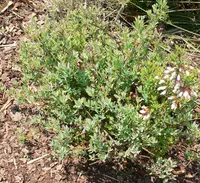
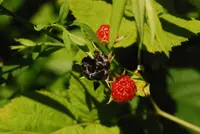
Provide strong support
Install sturdy wires or a trellis early in the plant’s life and loosely tie new canes as they grow so the long, scrambling stems are carried off the ground and easier to manage and harvest.

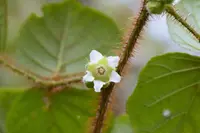
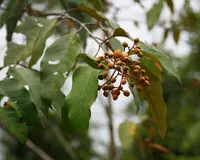
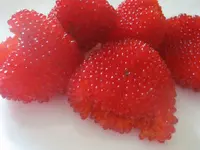
Rubus wallichianus is a vigorous bramble species in the rose family, related to blackberries and raspberries. It usually grows as a scrambling or arching shrub with prickly stems.
The plant is native to the Himalayas and nearby regions, where it occupies forest edges, thickets, and open slopes. Its growth habit can be quite fast and sprawling, which makes space management important in gardens.
This species is generally robust and adaptable, tolerating a range of soils as long as drainage is reasonable. It usually prefers sun to light shade and consistent soil moisture, and these traits influence how to care for Rubus wallichianus in cultivation.

Care Difficulty
Moderate Care

Light Preference
Full Sun

Water Requirements
Regular Water

Temperature Preference
Cool Climate

Hardiness Zone
6–9

Soil Texture
Sandy, Loamy, Organic-rich

Soil pH
Acidic (5.5–6.5), Slightly acidic (6.5–7.0)

Soil Drainage
Moist but well-drained

Fertilization
Minimal (feed rarely)
Scan your plant to receive care tips personalized for your specific plant
Available on iOS and Android
This scrambling bramble prefers bright outdoor conditions with some protection from harsh midday sun.
This species prefers consistently moist but not waterlogged soil, supported by sharp drainage.
This hardy bramble thrives in temperate climates with cool winters and mild to warm summers.
This species handles a wide humidity range but prefers moderately moist air.
Rubus wallichianus grows best in deep, loose, moisture-retentive but free-draining soil.
This bramble can be grown in containers if the pot is large, stable, and drains very efficiently.
This vigorous bramble needs only modest feeding in average garden soil.
Thoughtful pruning keeps Rubus wallichianus productive and manageable.
This species is usually grown in the ground and benefits most from careful transplanting rather than frequent repotting.
Rubus wallichianus is commonly propagated vegetatively to maintain desirable traits.
This bramble is generally cold hardy in temperate climates and needs minimal winter care.

Plant Health Check
Not sure what's wrong with your plant? Check your plant's health inside the app.
This species naturally occurs on rocky slopes, forest margins, and open scrub in the Himalayas, where it often scrambles over shrubs and low trees rather than forming neat hedgerows.
Its slender stems carry strongly curved, hook-like prickles that help the plant latch onto surrounding vegetation and rock surfaces, giving it support on steep or unstable terrain.
Leaves can range from simple to 3–5-foliate on the same plant, a morphological variability that has contributed to taxonomic confusion with related Himalayan bramble species.
This species spreads vigorously by arching canes that root where they touch the ground and by suckers from the base. In suitable climates it can form dense thickets, so edging, root barriers, and regular pruning are important.
Keep your plants happy and healthy with plant identification, disease detection, and easy care guidance.