Rubus urticifolius Care

Rubus urticifolius

About Rubus urticifolius

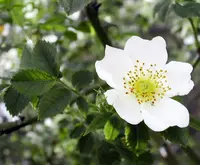
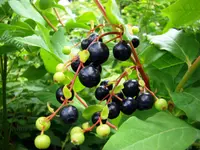
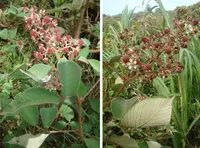
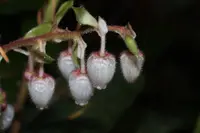
Rubus urticifolius is a shrubby bramble in the rose family, related to raspberries and blackberries. It forms arching, often prickly canes with divided green leaves. In suitable climates it may produce small white to pinkish flowers followed by dark aggregate fruits. It typically grows in forest edges, thickets, and disturbed slopes in parts of Central and South America. This species tends to be vigorous and spreading, which can make it robust but also somewhat invasive in mild, moist regions. Well-drained, moderately fertile soil and regular moisture usually support healthy growth. Understanding how to care for Rubus urticifolius starts with providing enough light and space for its scrambling habit.

Main Plant Requirements

Care Difficulty

Moderate Care

Light Preference

Partial Sun

Water Requirements

Moderate Water

Temperature Preference

Warm Climate

Hardiness Zone

8–11

Soil Texture

Loamy, Sandy, Organic-rich

Soil pH

Acidic (5.5–6.5), Slightly acidic (6.5–7.0)

Soil Drainage

Moist but well-drained

Fertilization

Minimal (feed rarely)

Get Personalized Care Plan

Scan your plant to receive care tips personalized for your specific plant

Available on iOS and Android

How to Care for the Rubus urticifolius

This shrub prefers bright outdoor conditions with several hours of direct light daily for strong growth and fruiting.

  • Aim for 4–6 hours of direct sun, ideally morning sun with light afternoon shade, to reduce leaf scorch while supporting flowering and fruit set.
  • Tolerates partial shade, but in less than 3–4 hours of sun per day Rubus urticifolius may produce fewer, weaker canes and smaller crops.
  • In hot summers, provide filtered or dappled light during the harshest midday hours, and avoid reflective heat from walls or paving that can overheat foliage.

This bramble prefers consistently moist but not waterlogged soil, with modest drying at the surface between waterings.

  • Check soil by hand and water when the top 3–5 cm feels dry, aiming for deep soaking rather than light splashes that only wet the surface.
  • Use well-drained, loamy soil or raised beds so excess water can drain; persistent sogginess, sour smell, or yellowing leaves suggest overwatering and root stress.
  • In spring and summer, expect faster drying, while in cool or rainy seasons watering intervals lengthen; drooping, dull leaves and dry, crumbly soil indicate underwatering.

This hardy shrub tolerates a broad temperature range but grows best in mild, temperate conditions.

  • Optimal growth occurs around 60–75°F (16–24°C), supporting steady cane development and reliable flowering during the main growing season.
  • Established plants often survive down to about 10–15°F (-12–-9°C), but young canes and buds benefit from mulch to reduce freeze damage in colder winters.
  • Heat above 90°F (32°C), especially with dry wind, can stress foliage, so combine soil moisture management with light afternoon shade during heatwaves to limit scorch.

This species tolerates a wide humidity range and rarely needs special humidity management outdoors.

Rubus urticifolius prefers deep, moist but well-drained loam that stays airy and does not compact.

  • Use a loamy structure made from roughly 50% garden soil, 30–40% compost, and 10–20% coarse sand or fine gravel to support rooting and drainage.
  • Keep pH slightly acidic to neutral, around 6.0–7.0, to optimize nutrient uptake and prevent micronutrient lockout.
  • In heavier clay sites, mix in coarse sand, fine gravel, or composted bark to improve aeration and speed water movement through the upper 20–30 cm.
  • Avoid waterlogged, shallow, or highly compacted ground, which encourages root rot and weak, disease-prone canes.

This bramble can be grown in containers if the pot is large and stable enough for its vigorous root system and canes.

  • Choose a wide, heavy container at least 40–50 cm deep to prevent tipping as canes lengthen and fruit develops.
  • Use a free-draining mix combining compost with coarse bark or grit so water drains quickly but the root zone stays slightly moist.
  • Position the pot where canes can be tied to a trellis or railing so wind does not rock and loosen the container.

This vigorous shrub usually performs well in average garden soil but benefits from light feeding when actively growing.

  • Apply a thin layer of garden compost or well-rotted manure around the root zone in early spring to support new growth.
  • Use a balanced NPK granular or slow-release fertilizer at 1/2 strength once in spring for Rubus urticifolius.
  • Avoid high-nitrogen products that drive excess leafy growth at the expense of flowers and fruit.
  • Do not feed in late fall or winter, as plants are dormant and extra nutrients are unnecessary.

Thoughtful pruning maintains plant health, controls spread, and supports good flowering and fruiting.

  • Schedule main pruning in late winter or very early spring before buds break.
  • Remove dead, diseased, or storm-damaged canes first, cutting back cleanly to healthy wood with sharp bypass pruners or loppers.
  • Thin crowded canes by taking out the oldest or weakest stems at ground level to improve light and air flow.
  • Shorten overly long flowering laterals to shape the plant and keep Rubus urticifolius within its allotted space.

This species is usually grown in the ground, so transplanting is more common than container repotting.

  • Plan moves for late fall or early spring when growth is slow and soil is workable.
  • Look for signs such as poor vigor, overcrowded thickets, or roots circling inside a pot if container-grown.
  • Dig widely around the root mass, lifting with as much soil attached as possible to limit root disturbance.
  • Replant at the same depth in a prepared hole, water thoroughly, then keep soil evenly moist until new growth resumes.

Rubus urticifolius is straightforward to multiply and can spread quickly if given suitable conditions.

  • Use tip layering in spring or early summer by pegging a low, flexible cane into moist soil until roots form, then detach.
  • Take semi-ripe cuttings in summer, place in a free-draining mix, and keep humid and lightly shaded until rooted.
  • Divide suckering plants in early spring or fall, ensuring each division has healthy shoots and a good root section.
  • Sow fresh seed outdoors in fall or use cold stratification, as many Rubus seeds need chilling to break dormancy.

This shrub is generally cold hardy in many temperate regions and needs only modest winter attention.

  • Tolerates typical light to moderate frosts once established, though very young plants appreciate extra care.
  • Apply a 5–8 cm layer of organic mulch around the root zone in late fall, keeping it slightly away from stems.
  • In very cold or exposed sites, tie canes loosely together and shelter from harsh wind to reduce breakage.

Care Tips

Install sturdy support

Provide a strong trellis, wire fence, or post-and-wire system before canes elongate so new growth can be tied in loosely with soft ties and kept off the ground for easier harvest and reduced disease pressure.

Cane renewal management

After fruiting, cut out old, woody canes at ground level and keep only the strongest new canes spaced 10–15 cm apart to maintain airflow and concentrate energy into productive, accessible growth.

Mulch for cane stability

Apply a 5–8 cm layer of coarse organic mulch in a 60–90 cm band along the row, keeping stems just clear, to stabilize soil moisture, reduce weed competition, and protect shallow feeder roots from disturbance.

Targeted pest scouting

Inspect flower clusters and developing berries weekly in warm weather for aphids, cane borers, and fruit-feeding insects, and remove or prune out small infested sections early rather than relying on broad pesticide use.

Winter cane protection

In colder regions, gently bend and secure flexible canes closer to the ground and mulch the crown area more heavily in late fall to reduce freeze damage and improve overwinter survival when growing Rubus urticifolius.

Common Pests and Diseases

Raspberry leaf spot

This disease causes small, round, light tan to gray spots on leaves that can merge and lead to premature defoliation. Symptoms include weakened canes and reduced fruiting over time.

Solution

Remove and destroy heavily spotted leaves and any fallen debris to reduce spore levels, and prune canes to improve airflow and faster drying of foliage. If the problem recurs, apply a labeled copper or chlorothalonil fungicide in early spring and after harvest, following local guidelines for Rubus urticifolius care instructions.

Raspberry cane blight

This disease produces dark, sunken lesions on canes, often beginning at pruning wounds or damaged areas, and can cause sudden wilting of lateral shoots. Symptoms include brittle, dead cane sections that break easily at the lesion edge.

Solution

Cut out and discard infected canes well below the damaged area during dry weather, disinfecting tools between cuts. Avoid injuring canes, time pruning for dry conditions, and maintain wider spacing so canes dry quickly after rain, which reduces further infection.

Raspberry anthracnose

This disease causes small, purple spots on young canes that develop into gray, sunken lesions with raised margins, and leaves may show shot-hole type damage. Over time, affected canes become stunted and yield fewer, smaller fruits.

Solution

Prune and remove old, weak, and heavily infected canes at ground level, and clear plant debris from around the base. Improve sun exposure and airflow, avoid overhead watering, and consider a preventive fungicide spray at bud break in sites with a history of this disease.

Raspberry aphids

These insects cluster on the undersides of young leaves and shoot tips, sucking sap and causing leaf curling, yellowing, and distorted new growth. This pest can also transmit virus diseases between canes and nearby Rubus plants.

Solution

Regularly inspect young shoots and wash colonies off with a firm stream of water, repeating as needed. Encourage natural predators like lady beetles, use reflective mulches if practical, and apply insecticidal soap or horticultural oil to the undersides of leaves when populations build.

Spotted wing drosophila

This pest is a small fruit fly whose females lay eggs in ripening, soft fruit, leading to collapsing berries that leak juice and may show tiny breathing holes. Larvae develop inside the fruit, making berries unmarketable and shortening storage life.

Solution

Harvest fruit frequently and completely, removing and destroying overripe or infested berries so larvae cannot develop. Use fine-mesh netting where possible, hang vinegar or yeast-based monitoring traps, and follow local recommendations for targeted insecticide sprays timed to beetle activity if monitoring shows high pressure.

Interesting Facts

Andean cloud-forest bramble

This species is native to high-elevation Andean cloud forests from Colombia southward, where it grows along forest edges, landslides, and stream banks in cool, humid conditions.

Stinging-nettle lookalike

Its leaves and young stems closely resemble those of stinging nettles (Urtica), an appearance that inspired the species name urticifolius, meaning with nettle-like leaves.

Bird-dispersed colonizer

The dark, aggregated fruits are eaten by birds, which disperse the seeds into disturbed or open areas, helping this bramble rapidly colonize gaps in montane forests.

FAQs about Rubus urticifolius

This species spreads by arching canes that root where they touch soil and by suckering from the base. In favorable conditions it can form dense thickets, so use root barriers and regular pruning to keep it contained.

Grow Healthy Plants with Botan Care

Keep your plants happy and healthy with plant identification, disease detection, and easy care guidance.

Botan plant care app — identify plants on mobile

Explore More Plants