balsam torchwood Care (Amyris balsamifera)

balsam torchwood

About balsam torchwood

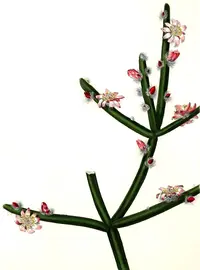
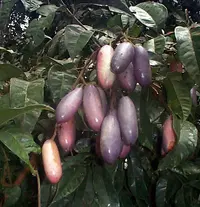
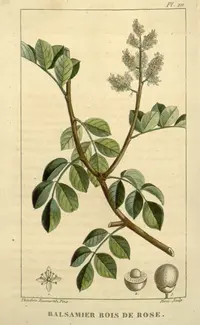
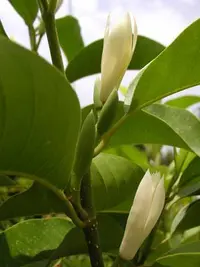
Balsam torchwood (Amyris balsamifera) is a small, slow-growing evergreen tree or large shrub from the Caribbean and parts of Central America. It belongs to the citrus family and produces small white flowers followed by dark berries.

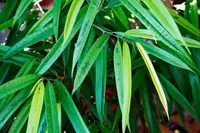
The plant has fine, aromatic foliage and a naturally branching, somewhat irregular crown, which makes it more suited to naturalistic or dry gardens than formal designs. Its resinous wood and leaves release a pleasant scent when crushed.

This species is adapted to hot, dry, rocky habitats and poor soils, which makes it relatively drought-tolerant once established but slow to recover from damage. In cultivation it prefers full sun, good drainage, and low to moderate moisture, and these traits shape how to care for balsam torchwood.

Main Plant Requirements

Care Difficulty

Easy Care

Light Preference

Full Sun

Water Requirements

Low Water

Temperature Preference

Tropical / Frost Sensitive

Hardiness Zone

10–11

Soil Texture

Sandy, Loamy, Rocky

Soil pH

Slightly acidic (6.5–7.0), Neutral (7.0)

Soil Drainage

Well-drained

Fertilization

Minimal (feed rarely)

Get Personalized Care Plan

Scan your plant to receive care tips personalized for your specific plant

Available on iOS and Android

How to Care for the balsam torchwood

Amyris balsamifera thrives in bright, warm conditions with consistent sun exposure.

  • Provide 6–8 hours of direct sun daily; full sun promotes dense growth and higher resin production in balsam torchwood.
  • Tolerates light afternoon shade, especially in very hot climates, but prolonged shade causes leggy stems and sparse foliage.
  • In summer, young plants may benefit from filtered light during the hottest hours; in winter, avoid shading from buildings or taller vegetation to maximize limited sun.

This drought-tolerant shrub prefers infrequent, deep watering rather than frequent light applications.

  • Outdoors in the ground, allow the top 5–8 cm of soil to dry before watering; established plants in well-drained soil may not need supplemental water once roots are deep.
  • Use fast-draining, sandy or rocky soil to prevent waterlogging, which leads to yellowing leaves, soft stems, and possible root rot.
  • Increase watering slightly in the first growing season and during prolonged drought; curled, crisp leaves indicate underwatering, while persistent wilting in damp soil suggests overwatering.

This species is adapted to warm subtropical to tropical climates with mild winters.

  • Optimal growth occurs around 70–90°F (21–32°C), with steady warmth supporting active shoot and resin production.
  • Tolerates brief drops to about 30–32°F (-1–0°C), but repeated frosts damage young tips and can kill seedlings.
  • Handles dry heat up to 100°F (38°C) if soil is not waterlogged; in cooler regions, plant in a sheltered microclimate to reduce cold wind exposure and frost risk.

This species handles a wide humidity range but benefits from moderately dry air.

  • Target 30–50% humidity, similar to typical indoor and outdoor conditions in many warm regions.
  • Dry air is usually tolerated, but leaf tip browning or slow growth can indicate prolonged humidity below about 25%.
  • Increase humidity slightly in very arid homes with a nearby pebble tray or grouping plants, but avoid misting foliage regularly to reduce fungal risk.

Amyris balsamifera prefers lean, mineral soils that drain rapidly and do not stay wet.

  • Use a sandy or gritty loam with a loose structure so water moves through quickly and roots receive steady air supply.
  • Aim for slightly alkaline to neutral pH around 7.0–8.0, avoiding strongly acidic mixes designed for ericaceous plants.
  • Blend coarse sand, fine gravel, and a modest amount of compost to create a fast-draining mix that still retains some nutrients.
  • Avoid heavy clay, peat-heavy, or compacted substrates that hold water, as these increase risk of root rot and poor establishment.

This species can be grown in containers when provided with deep, well-drained, and stable pots.

  • Choose a deep, heavy container that resists tipping as the woody stems elongate and gain biomass over time.
  • Use a very fast-draining mix and keep the drainage holes fully open so rain or irrigation water clears the pot within seconds.
  • Position the container where it receives strong sun without constant wind tunneling that can desiccate the limited root volume.

This drought-tolerant native tree usually needs minimal feeding, especially when planted in the ground on lean soils.

  • For container-grown balsam torchwood, use a balanced slow-release fertilizer or liquid 10-10-10 at 1/2 strength.
  • Apply once in late spring and again mid-summer during active growth, avoiding very hot, dry periods.
  • Do not fertilize in fall or winter, when growth naturally slows or pauses.
  • On established in-ground plants, rely mainly on a thin layer of compost over the root zone if foliage looks pale.

Pruning Amyris balsamifera is mainly for structure, access, and removing weak wood rather than for size control.

  • Carry out main pruning in late winter or very early spring before strong new growth starts.
  • Remove dead, diseased, crossing, or storm-damaged branches first, cutting back to healthy wood.
  • Thin congested interior shoots to improve light penetration and airflow, keeping a balanced, open crown.
  • Use clean, sharp bypass pruners or a pruning saw, making smooth cuts just outside the branch collar.

This species is usually grown in the ground; transplanting young trees carefully is more important than frequent repotting.

  • Transplant in late winter to early spring, while growth is slow and temperatures are mild.
  • Look for signs such as roots circling the pot, dense root mass, or decline in vigor on potted plants.
  • Move to a container 1–2 sizes larger or into a well-drained, sunny site, keeping the root flare at soil level.
  • Water deeply after planting, shade lightly for 1–2 weeks, and maintain even moisture to reduce transplant shock.

Amyris balsamifera is usually propagated from seed, with stem cuttings used less often for specialized production.

  • Collect ripe fruits, clean off pulp, and sow fresh seeds in late spring or early summer for better germination.
  • Use a sharply drained, sandy mix kept warm at 70–80°F and just evenly moist, not wet.
  • Semi-ripe cuttings taken in early summer root best in a humid environment with bottom warmth and indirect light.
  • Apply a rooting hormone to cuttings, insert into a sterile medium, and avoid disturbance until new growth appears.

This subtropical tree is frost-sensitive and benefits from thoughtful winter management outside its warm native range.

  • In-ground plants tolerate only light, brief chills; sustained freezes can damage foliage and young wood.
  • Apply a 5–8 cm mulch layer over the root zone, keeping it slightly back from the trunk to reduce rot risk.
  • Wrap young trunks with breathable frost cloth during cold snaps to limit bark injury.
  • Move container plants indoors or into a bright, frost-free space when temperatures approach 35–40°F.

Care Tips

Wind-form training

In exposed coastal or windy sites, lightly stake young plants and gradually loosen ties over 1–2 seasons so they develop a strong, tapered trunk able to withstand steady trade winds without snapping.

Oil harvest pruning

If grown for aromatic foliage or oil, time heavier harvest prunings to late spring or early summer flushes, always leaving at least 1/3 of the leafy shoots intact so the plant can rapidly replace biomass and maintain vigor.

Calcareous soil adaptation

On alkaline, rocky, or limestone soils, incorporate coarse mineral grit or crushed limestone into the planting area rather than organic-rich compost, which keeps conditions closer to the dry, calcareous habitats this species naturally prefers.

Firewise spacing

In fire-prone regions, maintain 1.5–3 m spacing between shrubs and remove dead twigs inside the canopy once a year to reduce fine fuel build-up while still preserving shelter and structure for wildlife.

Salt spray management

In gardens directly exposed to ocean salt spray, periodically hose off foliage with fresh water after storms to prevent salt crust on leaves and young stems, which can reduce photosynthesis and slow growing balsam torchwood.

Common Pests and Diseases

Leaf spot

This disease causes small brown to dark purplish spots on leaves that may coalesce and lead to premature leaf drop in humid or poorly ventilated conditions.

Solution

Remove and destroy affected leaves, avoid overhead watering, and thin surrounding vegetation to improve airflow; in persistent, wet conditions a copper-based fungicide labeled for ornamental woody plants can be applied according to label directions as part of Amyris balsamifera care.

Sooty mold

This disease appears as a black, soot-like coating on leaves and stems, usually developing on the sugary honeydew excreted by sap-feeding insects such as scales or aphids.

Solution

Rinse foliage with a steady stream of water to remove mold and honeydew, then control the underlying insect infestation using horticultural oil or insecticidal soap, repeating treatments as needed until new growth stays clean.

Scale insects

These insects attach firmly to twigs and leaves as small, rounded or oval bumps and feed on sap, which can cause yellowing foliage, reduced vigor, and honeydew that encourages sooty mold.

Solution

Prune out heavily infested twigs, then treat remaining foliage and stems with horticultural oil during mild weather, ensuring thorough coverage of all surfaces; for light infestations, scraping off individual scales or wiping stems with an alcohol-dampened cloth can also be effective.

Borer larvae

This pest tunnels into woody stems and branches, leading to dieback of shoots, frass-filled holes, and weakened structure in stressed or poorly sited trees.

Solution

Prune and destroy affected branches back to healthy wood, maintain plant vigor through appropriate watering and site selection to reduce stress, and use trunk or branch wraps and timing of pruning to avoid attracting adult borers during peak egg-laying periods.

Interesting Facts

Caribbean dry-forest specialist

This species is native to dry tropical forests and coastal thickets of the Caribbean and parts of Central America, where it is adapted to shallow, rocky, nutrient-poor soils and seasonal drought.

Resin with balsamic aroma

The wood and bark produce a fragrant resin rich in sesquiterpenes, which gives off a warm, balsamic, slightly vanilla-like scent and has long been used in perfumery and incense blends.

Dense, fine-grained wood

Its wood is heavy, hard, and fine-grained, burns slowly with a pleasant scent, and has traditionally been used both as high-quality firewood and for small carved objects in its native range.

Botan icon

Did you know?

In some Caribbean regions, this species functions as a minor nurse plant, where its shade and leaf litter slightly improve soil moisture and structure, allowing more sensitive tree seedlings to establish in otherwise harsh, exposed dry-forest sites.

FAQs about balsam torchwood

This shrub is highly attractive to many pollinators. Its small, fragrant white flowers produce nectar that supports bees, butterflies, and other beneficial insects, making it a valuable choice for wildlife-friendly and low-maintenance landscapes in warm regions.

Grow Healthy Plants with Botan Care

Keep your plants happy and healthy with plant identification, disease detection, and easy care guidance.

Botan plant care app — identify plants on mobile

Explore More Plants