Heart-leaved pelagonium Care (Pelargonium cordifolium)

Also known as: heart leaf geranium, Heartleaf Storksbill
Heart-leaved pelagonium

About Heart-leaved pelagonium

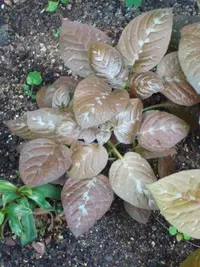
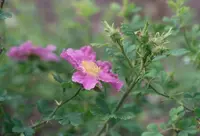
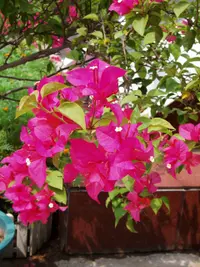
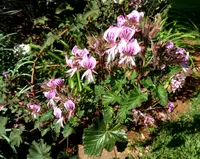
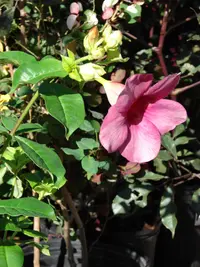
Heart-leaved pelagonium (Pelargonium cordifolium) is a shrubby, scented-leaf geranium native to South Africa. It forms loose, branching stems with soft, heart-shaped leaves and clusters of pink to mauve flowers.

This species is usually grown as an ornamental container plant or in mild outdoor climates, valued for its foliage fragrance and long blooming season. It is considered moderately easy to grow if given good light, reasonably well-drained soil, and protection from frost.

Understanding how to care for Heart-leaved pelagonium mainly involves providing bright conditions, avoiding heavy, waterlogged substrates, and allowing the plant some airflow to reduce the risk of fungal problems.

Main Plant Requirements

Care Difficulty

Moderate Care

Light Preference

Full Sun

Water Requirements

Moderate Water

Temperature Preference

Tropical / Frost Sensitive

Hardiness Zone

10–11

Soil Texture

Sandy, Loamy, Organic-rich

Soil pH

Slightly acidic (6.5–7.0), Neutral (7.0)

Soil Drainage

Well-drained

Fertilization

Light (every 4–6 weeks)

Get Personalized Care Plan

Scan your plant to receive care tips personalized for your specific plant

Available on iOS and Android

How to Care for the Heart-leaved pelagonium

This shrub pelargonium prefers bright, direct light for strong growth and flowering.

  • Provide 4–6 hours of direct sun daily, ideally morning sun with light afternoon shade, especially in hot, dry climates.
  • It tolerates light or open shade for part of the day, but prolonged low light reduces flowering and produces weak, leggy stems in Heart-leaved pelagonium.
  • In summer, protect from harsh mid-afternoon sun to avoid leaf scorch; in winter, move plants to the brightest available position to compensate for shorter days.

This drought-tolerant species prefers thorough but infrequent watering in well-drained soil.

  • Let the top 3–5 cm of soil dry before watering again; the pot or bed should feel noticeably lighter and the surface no longer dark and moist.
  • During active growth in spring and summer, water when leaves lose slight firmness, but avoid soggy soil, which can cause root rot and yellowing lower leaves.
  • In autumn and winter, especially in cool conditions, reduce watering volume and frequency while ensuring Pelargonium cordifolium does not stay bone dry for long periods.

This species prefers mild, frost-free conditions and does best with stable, moderate temperatures.

  • Aim for 60–75°F (16–24°C) for active growth; short periods up to 80–85°F (27–29°C) are tolerated if soil does not stay wet and roots are shaded.
  • Protect from cold; growth slows below 50°F (10°C), and damage occurs near 32°F (0°C), so avoid frost exposure or provide cover in the garden.
  • In regions with cold winters, overwinter plants in a sheltered, bright spot kept around 50–55°F (10–13°C) to reduce stress and prevent freezing.

This species grows well in relatively dry household air and does not need special humidity control.

  • Aim for 30–50% humidity, similar to typical indoor conditions, avoiding very damp rooms.
  • Dry air is generally tolerated; only prolonged heated air that causes leaf edges to crisp indicates stress.
  • If leaves curl and brown at the tips, move the Heart-leaved pelagonium away from heat sources and group with other plants to slightly raise local humidity.

This plant prefers a light, well-aerated, fast-draining mix to protect its roots from prolonged moisture.

  • Use a sandy or loamy mix with structure, such as 2 parts peat-free potting mix, 1 part coarse sand, and 1 part perlite.
  • Ensure very sharp drainage so water runs through quickly; the root zone should dry moderately between waterings.
  • Target slightly acidic to neutral pH, around 6.0–7.0, which suits Pelargonium cordifolium in containers and raised beds.
  • Avoid heavy clay, compacted, or waterlogged substrates; add extra perlite or fine bark to improve aeration if the mix feels dense.

This species adapts well to container growing when the pot supports its shrubby, sometimes top-heavy habit.

  • Choose a wide, relatively heavy pot to prevent tipping as stems lengthen and foliage mass increases on one side.
  • Select a pot depth that allows a broad, shallow root system, avoiding overly tall, narrow containers that trap moisture at the base.
  • Use a pot material with moderate porosity, such as terracotta or thick ceramic, to balance moisture loss and root cooling in sunny positions.

This Heart-leaved pelagonium responds well to modest, consistent feeding during its active growing season.

  • Use a balanced liquid fertilizer (around 10-10-10 or 20-20-20) diluted to 1/2 strength for container plants.
  • Feed every 2–3 weeks in spring and summer when growth and flowering are strongest.
  • Stop or reduce feeding to once every 6–8 weeks in fall and winter when growth slows.
  • Compost or a slow-release granular fertilizer can be mixed into the potting mix at the start of the season.

Pruning Pelargonium cordifolium maintains a compact shape, encourages bushy growth, and improves flowering.

  • Prune in late winter or early spring before vigorous new growth begins.
  • Remove dead, damaged, or diseased stems first, then thin out weak or crossing shoots.
  • Shorten long, leggy stems by 1/3 to create a denser, better-branched plant.
  • Use clean, sharp scissors or pruners and make cuts just above a leaf node.

This species adapts well to containers but benefits from occasional repotting to refresh soil and manage root growth.

  • Check for roots circling the pot, protruding from drainage holes, or slowed growth as signs it needs a larger container.
  • Plan to repot every 2–3 years in late winter or early spring, just before active growth resumes.
  • Choose a pot 2–5 cm wider with free-draining mix, and handle roots gently to limit stress.
  • Water lightly after repotting, keep in bright but indirect light for 3–5 days, and avoid heavy feeding until new growth appears.

Pelargonium cordifolium is most commonly propagated from stem cuttings taken during the active growing season.

  • Take 7–10 cm non-flowering tip cuttings in late spring or summer, cutting just below a node.
  • Remove lower leaves, let cut ends dry for a few hours, then insert into a free-draining mix of perlite and potting soil.
  • Keep cuttings in bright, indirect light at 65–75°F and maintain slightly moist, not wet, substrate.
  • Seed propagation is possible but slower; sow in warm, bright conditions and use a light, sterile seed-starting mix.

This pelargonium is frost-sensitive and needs protection in regions with cold winters.

  • Move container plants indoors before temperatures drop below 40°F, placing them in bright light.
  • In mild climates, mulch the root zone with 5–8 cm of dry organic material to buffer temperature swings.
  • Reduce watering in winter so the soil dries slightly between waterings, avoiding prolonged saturation.
  • Inspect indoor plants for pests and provide good air circulation to limit fungal issues during cool months.

Care Tips

Pinch for Bushiness

Pinch out soft shoot tips above a leaf node every 3–4 weeks in spring and summer to encourage a denser, more compact plant with more flowering stems.

Selective Stem Renewal

Each year after main flowering, remove 1–3 of the oldest, woodiest stems at the base to gradually renew the framework and maintain vigorous, leafy growth.

Container Size Management

Keep the plant in a slightly snug pot and step up only 1–2 in at a time, as slight root restriction supports stronger flowering and reduces weak, leggy growth.

Cool-Season Resting

Provide a cooler, brighter spot around 50–60°F in winter and reduce watering frequency to give the plant a mild rest period that supports better flowering the following season.

Pest Monitoring Routine

Inspect the undersides of leaves and soft shoot tips weekly for aphids, whiteflies, or spider mites, and treat early with insecticidal soap or horticultural oil to keep pests from becoming established when growing Heart-leaved pelagonium.

Common Pests and Diseases

Geranium budworm

This pest tunnels into flower buds and young shoots, causing chewed petals, misshapen blooms, and buds that fail to open.

Solution

Hand-pick caterpillars in the evening, prune off infested buds, and dispose of them in the trash. For heavier infestations, use a targeted biological control such as Bacillus thuringiensis (Bt) on buds and new growth, and reduce outdoor night lighting that attracts adult moths near Pelargonium cordifolium plants.

Aphids

These insects cluster on tender shoot tips and undersides of leaves, sucking sap and causing curled, sticky, and distorted foliage.

Solution

Rinse colonies off with a firm stream of water and pinch back heavily infested shoot tips. If needed, apply insecticidal soap or a light horticultural oil to all aboveground parts, repeating weekly until new growth is clean and the Pelargonium cordifolium plant care conditions are stable.

Whiteflies

This pest forms small, white, moth-like adults that fly up when the plant is disturbed, along with sticky honeydew and yellowing leaves.

Solution

Use yellow sticky traps around the plant to catch adults and regularly vacuum or shake foliage to reduce populations. Treat leaf undersides with insecticidal soap or horticultural oil, and improve ventilation and spacing to reduce whitefly buildup, especially in greenhouses or sunrooms.

Botrytis blight

This disease causes brown, water-soaked spots on leaves and petals, often covered by a gray, fuzzy mold, especially in cool, damp conditions.

Solution

Remove and discard affected leaves, flowers, and plant debris, and avoid overhead watering so foliage dries quickly. Improve airflow around plants, reduce humidity, and in persistent cases use a fungicide labeled for ornamental Botrytis control, focusing on dense flowering stems and interior foliage.

Bacterial blight

Symptoms include sudden blackened stems, brown water-soaked leaf spots with yellow halos, and rapid wilting or collapse of shoots, often starting on lower leaves.

Solution

Immediately remove and destroy infected stems and leaves, sterilizing cutting tools between cuts, and discard severely affected plants rather than composting them. Keep foliage dry, avoid splashing water between plants, space plants for good airflow, and purchase only healthy, certified stock to prevent introducing the bacteria.

Interesting Facts

Heart-shaped aromatic foliage

This species has distinctly heart-shaped, softly hairy leaves that release a strong resinous, spicy scent when touched due to abundant oil glands in the leaf tissue.

Cape fynbos native

It is naturally distributed in the fynbos and coastal scrub of South Africa’s Western and Eastern Cape, where it grows on rocky slopes and bush margins in a Mediterranean-type climate with winter rainfall.

Nectar guides for pollinators

Its pale pink to mauve flowers often show darker streaks on the upper petals, which function as nectar guides, visually directing local insects such as long-tongued bees to the nectar source and improving pollination efficiency.

Botan icon

Did you know?

In its native South African range, this shrub-forming species can reach around 2 m in height and form dense, woody stands that act as a structural component of low fynbos vegetation, providing shelter and foraging sites for insects and small animals.

FAQs about Heart-leaved pelagonium

This species performs best outdoors in mild, frost-free climates where it receives bright light and good air movement. Indoors it can be grown in bright sunrooms or greenhouses, but plants often become leggier and flower less.

Grow Healthy Plants with Botan Care

Keep your plants happy and healthy with plant identification, disease detection, and easy care guidance.

Botan plant care app — identify plants on mobile

Explore More Plants