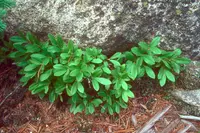
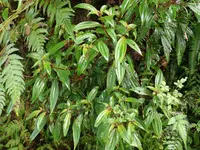
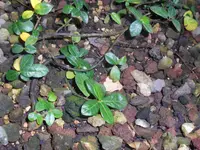
American black elderberry Care (Sambucus canadensis)

Also known as: black elderberry, common elderberry, common elder, American elder, desert elderberry, Canadian Elder
American black elderberry

About American black elderberry

American black elderberry, Sambucus canadensis, is a fast-growing deciduous shrub native to eastern and central North America. It often forms dense thickets along streams, woodland edges, and roadsides.

The plant typically reaches a multi-stemmed, bushy form with soft green compound leaves and large flat clusters of creamy white flowers in early summer. These are followed by heavy crops of small, dark purple to black berries.

It is considered relatively easy to grow, as it tolerates a range of soils and partial shade, but performs best in moist, well-drained ground with good light. Understanding how to care for American black elderberry helps maintain strong growth, regular flowering, and reliable fruiting.

Main Plant Requirements

Care Difficulty

Easy Care

Light Preference

Full Sun

Water Requirements

Regular Water

Temperature Preference

Cold Hardy

Hardiness Zone

3–9

Soil Texture

Loamy, Clay, Organic-rich

Soil pH

Acidic (5.5–6.5), Slightly acidic (6.5–7.0)

Soil Drainage

Moist but well-drained

Fertilization

Minimal (feed rarely)

Get Personalized Care Plan

Scan your plant to receive care tips personalized for your specific plant

Available on iOS and Android

How to Care for the American black elderberry

This shrub prefers consistent sun exposure to support strong flowering and fruiting.

  • Provide 6–8 hours of sun daily, with best performance in full sun; light afternoon shade is helpful in hotter regions to reduce leaf scorch.
  • American black elderberry tolerates partial shade (4–5 hours), but expect fewer flowers and fruits and slightly looser growth.
  • Ensure young plants receive more direct light in spring and fall, and protect from intense midsummer afternoon sun with nearby taller plants or dappled shade.

This species prefers evenly moist, not soggy, soil throughout the growing season.

  • Water when the top 3–5 cm of soil feels dry, then soak the root zone deeply so moisture reaches 20–30 cm down.
  • Use rich, well-drained soil; puddling for more than 1–2 hours after watering signals poor drainage and higher root rot risk for Sambucus canadensis.
  • In summer heat, watch for drooping leaves by midday as a sign to water; yellowing, soft leaves and a sour smell in soil indicate overwatering.

This hardy shrub tolerates a wide range of outdoor temperatures once established.

  • Active growth and best flowering occur around 65–80°F (18–27°C), typical of late spring and early summer conditions.
  • Mature plants withstand winter cold down to about -20°F (-29°C) when fully dormant, especially with mulch over the root zone.
  • During heat above 90°F (32°C), growth slows; provide soil moisture and mulch to limit stress, as repeated extreme heat can scorch leaves and reduce fruit set.

This species handles a wide humidity range and usually does not need special humidity management outdoors.

  • Optimal humidity is around 40–60%, which is typical of most temperate outdoor environments in the US.
  • American black elderberry tolerates short periods of drier air but may show leaf edge browning and faster wilting in prolonged hot, dry winds.
  • In unusually dry, exposed sites, reduce humidity stress by mulching the root zone 5–8 cm deep to keep soil moisture more even.

Sambucus canadensis prefers moist, aerated soil that stays evenly damp without remaining waterlogged.

  • Use a deep, loamy substrate combining garden soil with 30–40% compost to provide organic matter and stable moisture retention.
  • Aim for pH 5.5–7.5; mildly acidic to neutral soil supports nutrient availability and healthy root development.
  • In heavier clay, improve structure and drainage by working in coarse sand or fine gravel plus well-rotted compost through the top 20–30 cm.
  • Avoid compacted, poorly drained areas and sites that form standing water, which increase risk of root rot and weak growth.

This species is marginally suitable for large containers and is best used in tubs or half-barrels rather than small pots.

  • Choose a container at least 45–60 cm wide and deep so the extensive root system can spread and anchor the tall, multi-stemmed shrub.
  • Select a heavy, stable pot material such as thick terracotta or wood to reduce tipping from vigorous top growth and wind exposure.
  • Ensure large, unobstructed drainage holes and elevate the pot slightly on feet or bricks to let excess water escape quickly after heavy rain or irrigation.

Sambucus canadensis benefits from moderate, targeted feeding but adapts to average garden soil.

  • Apply a balanced slow-release fertilizer (around 10-10-10) at half strength once in early spring to support new growth.
  • In richer soils, use compost or well-rotted manure as a light topdressing instead of granular fertilizer.
  • During the main growing season, 1–2 light feeds are usually enough for caring for American black elderberry.
  • Stop feeding by late summer and do not fertilize in fall or winter, when the plant is dormant.

Thoughtful pruning keeps Sambucus canadensis healthy, productive, and well-shaped.

  • Prune in late winter or very early spring before buds break, when branch structure is easy to see.
  • Remove dead, damaged, crossing, or inward-growing stems with clean, sharp bypass pruners or loppers.
  • Thin crowded older canes at the base to improve airflow and encourage strong, flowering new shoots.
  • Shorten overly long stems to shape the shrub, maintaining an open, vase-like habit.

This species is usually grown in the ground, so care focuses on transplanting rather than long-term container culture.

  • Transplant young shrubs in early spring or fall, when temperatures are mild and soil stays evenly moist.
  • Move plants when growth slows, roots circle the container, or the shrub becomes unstable in its pot.
  • Choose a hole 2–3 times wider than the root ball, set the plant at the same depth, and backfill with native soil.
  • Water deeply after planting, keep soil evenly moist for several weeks, and apply mulch to reduce root stress.

New Sambucus canadensis plants are most often produced from cuttings, with seeds used less frequently.

  • Take softwood cuttings in late spring to early summer or hardwood cuttings in late fall to winter.
  • Use 10–15 cm cuttings with several nodes, remove lower leaves, and insert into moist, well-drained medium.
  • Maintain high humidity and moderate light, keeping the rooting mix just moist until roots develop.
  • Sow cleaned seeds outdoors in fall or cold-stratify indoors for 2–3 months before spring germination.

This shrub is cold hardy across much of the US and usually needs minimal winter care in the ground.

  • Tolerates freezing temperatures once established, though young plants benefit from extra attention.
  • Apply a 5–8 cm mulch layer around the root zone in late fall, keeping mulch slightly away from stems.
  • For container plants, move pots into an unheated garage or sheltered area where roots stay above about 20°F.

Care Tips

Install sturdy support

Set strong stakes or a low wire fence around young plants in windy or exposed sites so heavy, berry-laden branches stay upright and do not split at the base.


Selective sucker management

Each spring, remove the weakest basal shoots at ground level and keep 6–10 of the strongest canes so the plant puts energy into productive, accessible fruiting wood.

Bird protection strategy

Drape wildlife-safe netting over the shrub just as berries begin to turn from green to deep purple, securing it at the base so birds cannot strip the crop before harvest.

Planned renewal cycle

Mark canes by age and remove the oldest, thickest 1⁄3 of stems every 2–3 years to maintain vigorous new growth and stable yields when growing American black elderberry.

Efficient harvest timing

Harvest only fully black, soft clusters in the cool morning and use clean shears to snip entire umbels, which reduces damage to younger fruit and lowers disease entry points.

Common Pests and Diseases

Elder shoot borer

This pest is a caterpillar that tunnels inside young elderberry stems, causing wilting and dieback of new shoots.

Solution

Prune out and destroy wilted or hollow stems as soon as damage is noticed, cutting several inches below the tunneling to remove larvae. Maintain good plant vigor through proper watering and fertilization so new shoots replace damaged growth, and avoid leaving pruned stems or plant debris near the shrub, which can shelter pupating larvae when trying to grow Sambucus canadensis.

Eriophyid mites

These insects are microscopic mites that feed on foliage and flower clusters, sometimes causing leaf distortion, bronzing, or reduced bloom quality.

Solution

Prune and dispose of heavily affected shoots or flower clusters to physically remove mites and reduce their numbers. Encourage natural predators by minimizing broad-spectrum insecticides, and if infestations are persistent, use a labeled horticultural oil or insecticidal soap applied thoroughly to leaf undersides and new growth during cooler parts of the day.

Powdery mildew

This disease produces white or gray powdery growth on leaves, especially in shaded, humid conditions, and can lead to premature leaf drop.

Solution

Increase sunlight and airflow by thinning competing branches and nearby vegetation, and avoid overhead watering that keeps foliage damp. Remove and discard heavily infected leaves or shoots, and if needed, apply a labeled fungicide or sulfur-based product at the first sign of symptoms, repeating as directed during humid periods.

Cane and twig blight

This disease causes dark, sunken lesions on stems, leading to wilting and dieback of individual canes, often following mechanical injury or stress.

Solution

Cut out and destroy infected canes, pruning well below the lowest visible lesion and disinfecting pruning tools between cuts with a 10% bleach or 70% alcohol solution. Reduce plant stress through consistent watering and mulching, and avoid wounding stems with lawn equipment to limit new infection sites.

Leaf spot

Symptoms include small brown or purple spots on leaves that can merge into larger blotches, sometimes leading to early defoliation in wet seasons.

Solution

Clean up and remove fallen leaves in autumn to reduce the amount of fungus that survives to the next year, and space plants to improve air circulation. If leaf spot recurs severely, use a labeled fungicide early in the season when new leaves emerge, especially during extended wet weather, and avoid overhead irrigation that leaves foliage wet for long periods.

Interesting Facts

Native floodplain specialist

This species is naturally adapted to moist, nutrient-rich floodplains and stream banks across eastern North America, where it helps stabilize soil and tolerate periodic flooding better than many shrubs.

Bird-dispersed berry clusters

Its dark purple berry-like drupes form in large, heavy clusters that are rapidly eaten by birds such as robins, cedar waxwings, and catbirds, making this shrub an important wildlife food source and seed disperser.

Summer-blooming umbels

Large, flat-topped clusters of small cream-white flowers typically open in early to mid-summer, providing nectar and pollen for a wide range of native bees, hoverflies, and other pollinating insects when some spring flowers have already declined.

Botan icon

Did you know?

Genetic and morphological studies indicate that this plant, long treated as a subspecies or variety of the European elderberry Sambucus nigra, is now widely accepted as a distinct species native to North America, reflecting its separate evolutionary history and adaptation to local ecosystems.

FAQs about American black elderberry

The flat clusters of creamy flowers are rich in nectar and pollen, so they attract many native bees, hoverflies, and some butterflies. This makes the shrub useful for supporting local pollinator populations in mixed wildlife gardens.

Grow Healthy Plants with Botan Care

Keep your plants happy and healthy with plant identification, disease detection, and easy care guidance.

Botan plant care app — identify plants on mobile

Explore More Plants