Wind-firm training
In the first 2–3 years, tip-prune the top 10–15 cm after each strong growth flush to encourage a lower, broader crown that is more stable in wind-exposed sites.

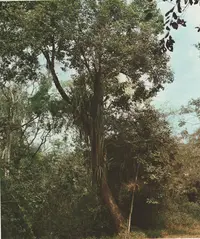
Tamanqueiro (Alchornea glandulosa) is a fast-growing tropical tree native to riparian and wetland areas in South America, especially Brazil and surrounding regions. It often forms part of secondary forests and riverbank vegetation.
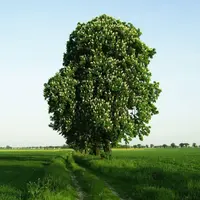
The tree typically develops a straight trunk with a rounded crown and broad, simple leaves that create dense shade. Its small flowers are not showy, but it can produce many seeds.
Alchornea glandulosa tolerates periodic flooding and poor soils, which makes it useful for reforestation and erosion control. This toughness also means it adapts reasonably well in managed landscapes when moisture needs are met.
Those looking to learn how to care for tamanqueiro should note its preference for warm conditions, consistent moisture, and well-drained but fertile soil in a bright, open spot.

Care Difficulty
Moderate Care

Light Preference
Full Sun

Water Requirements
Regular Water

Temperature Preference
Tropical / Frost Sensitive

Hardiness Zone
10–12

Soil Texture
Loamy, Clay, Organic-rich

Soil pH
Acidic (5.5–6.5), Slightly acidic (6.5–7.0)

Soil Drainage
Moist but well-drained

Fertilization
Minimal (feed rarely)
Scan your plant to receive care tips personalized for your specific plant
Available on iOS and Android
Alchornea glandulosa prefers bright, indirect light similar to open woodland edges.
This species prefers consistently moist but not waterlogged soil throughout the growing season.
This tropical tree grows best in warm, frost-free conditions with mild seasonal variation.
This species prefers moderately humid air but tolerates a range of conditions in cultivation.
Alchornea glandulosa grows best in moist, well‑structured soil with reliable drainage.
This species can be grown in containers when given ample root volume and careful water management.
Alchornea glandulosa, known as tamanqueiro, grows well in fertile soil and benefits from light, balanced feeding in managed landscapes.
Pruning Alchornea glandulosa is mainly done to maintain structure, remove damaged parts, and manage size.
Alchornea glandulosa is usually grown in the ground, so management focuses on transplanting young trees from containers with minimal stress.
Propagation of Alchornea glandulosa is usually done in nurseries by seeds or semi-hardwood cuttings under controlled conditions.
Alchornea glandulosa is a tropical to subtropical tree and is not tolerant of hard frost, so basic winter precautions are helpful in cooler regions.

Plant Health Check
Not sure what's wrong with your plant? Check your plant's health inside the app.
This species is a fast-growing pioneer tree commonly found along riverbanks and disturbed wet areas in South America, where it helps stabilize soil and initiate forest regeneration after flooding or clearing.
The leaves bear small glands that can secrete sugary substances, attracting ants; these ants may in turn offer some protection against leaf-eating insects, an example of a mutualistic interaction.
Its small, capsule-like fruits and seeds are eaten by a variety of birds and small mammals in Atlantic Forest and riparian habitats, contributing to local food webs and seed dispersal dynamics.

This species shows notable tolerance to periodic flooding and waterlogged soils in riparian zones, which allows it to colonize river margins and seasonally inundated areas where many other tree species fail to establish.
This species is generally fast-growing in warm, humid climates, often adding 60–120 cm of height per year. In suitable outdoor conditions it can develop into a medium to large tree, forming a broad, rounded crown.
Keep your plants happy and healthy with plant identification, disease detection, and easy care guidance.