Ficus vaccinioides Care

Ficus vaccinioides

About Ficus vaccinioides

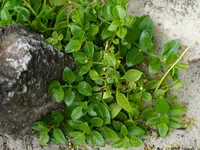
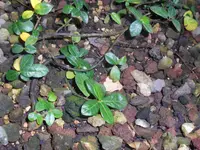
Ficus vaccinioides is a small-leaved creeping fig species, often used as a dense groundcover or trailing plant in pots and hanging baskets. Its tiny, oval, glossy leaves create a fine-textured mat that can drape over edges or climb supports with aerial roots.

This species is native to Taiwan, where it grows in warm, humid environments on rocks and tree trunks. It is generally considered moderate in difficulty, as it dislikes extremes in drying or waterlogging and reacts poorly to sudden changes in light.

Those who want to care for Ficus vaccinioides should know it prefers bright, indirect light, evenly moist but not soggy soil, and a sheltered indoor or patio spot protected from cold drafts.

Main Plant Requirements

Care Difficulty

Moderate Care

Light Preference

Partial Sun

Water Requirements

Moderate Water

Temperature Preference

Tropical / Frost Sensitive

Hardiness Zone

10–11

Soil Texture

Sandy, Loamy, Organic-rich

Soil pH

Acidic (5.5–6.5), Slightly acidic (6.5–7.0)

Soil Drainage

Well-drained

Fertilization

Light (every 4–6 weeks)

Get Personalized Care Plan

Scan your plant to receive care tips personalized for your specific plant

Available on iOS and Android

How to Care for the Ficus vaccinioides

This species favors bright, indirect light and adapts reasonably well to partial shade.

  • Provide 4–6 hours of bright, filtered light daily, such as near an east- or north-facing exposure with sheer curtains if sun is intense.
  • Tolerate only mild direct morning sun; prolonged midday or afternoon sun can scorch leaves, causing pale patches and crisp edges.
  • In winter, when days are shorter and light is weaker, move Ficus vaccinioides closer to brighter windows or supplement with a full-spectrum grow light.

This plant prefers evenly moist but not saturated soil, with slight drying between waterings.

  • Water when the top 2–4 cm of soil feels dry, using enough water so some drains through, then discard excess to prevent root rot.
  • In spring and summer, expect to water more often as growth and evaporation increase; reduce frequency in fall and winter as growth slows.
  • Watch foliage for cues: yellowing, soft leaves and a sour soil smell suggest overwatering, while crisp leaf edges and slow growth indicate underwatering.

This species grows best in stable, warm conditions without sudden temperature swings.

  • Aim for 65–80°F (18–27°C) for active growth, maintaining consistent conditions to avoid stress and leaf drop.
  • Protect the plant from temperatures below 50°F (10°C); brief dips may cause damage, and hard frost can kill stems and roots.
  • Ficus vaccinioides tolerates short periods around 85–90°F (29–32°C) if humidity and soil moisture are adequate, but avoid hot, drying winds or heat sources.

This scrambling fig prefers moderate to high humidity and reacts quickly to very dry air.

  • Aim for 50–70% humidity to keep foliage dense and minimize leaf drop.
  • It tolerates brief dips to 35–40%, but prolonged dry air causes crispy edges and yellowing, then leaf shed.
  • Increase humidity with a nearby humidifier, grouped plants, or a pebble tray, rather than misting, to avoid leaf-spotting.

This species grows best in a loose, fast-draining mix that stays slightly moist but never waterlogged.

  • Use a mix of 40% peat or coco coir, 40% pine bark fines, and 20% perlite to create a light, airy structure.
  • Target slightly acidic to neutral pH around 6.0–7.0, avoiding strongly alkaline mixes that can reduce nutrient uptake.
  • Ensure water drains freely within seconds, with no pooling; add extra perlite or bark if the mix feels heavy or compacts.
  • Avoid dense garden soil, high-clay mixes, or potting blends with heavy wetting gels, which increase the risk of root rot in Ficus vaccinioides.

This plant is well-suited to container growing due to its compact, trailing habit.

  • Choose a wide, shallow pot to give lateral root spread and keep the plant stable as stems trail over the rim.
  • Select a relatively heavy ceramic or clay container if grown on shelves or stands, to prevent tipping as growth lengthens.
  • Ensure large, unobstructed drainage holes so water exits rapidly, preventing soggy lower layers that encourage root disease.

This species grows slowly and needs only light feeding in containers to stay healthy.

  • Use a balanced liquid fertilizer (for example 10-10-10) at 1/4–1/2 strength for Ficus vaccinioides in active growth.
  • Feed every 4–6 weeks from mid-spring to late summer for plants in pots.
  • Skip fertilizer or feed at half the usual frequency in fall and winter when growth slows.
  • Flush the pot with plain water every few months to reduce salt buildup from fertilizer.

Pruning helps maintain a compact, tidy form and encourages dense branching.

  • Carry out structural pruning in late winter or early spring before strong new growth starts.
  • Remove dead, damaged, crossing, or inward-growing stems to improve light and air movement.
  • Shorten overly long shoots to shape the plant and promote bushier side branches.
  • Use clean, sharp scissors or bypass pruners and make cuts just above a leaf node.

Container-grown plants benefit from periodic repotting to maintain root health and stable growth.

  • Check for roots circling the pot, growing from drainage holes, or unexplained slow growth as cues to repot.
  • Plan repotting for spring, every 2–3 years, moving to a pot only 2–5 cm wider with drainage holes.
  • Gently loosen circling roots, trim any rotten sections, and set the plant in fresh, well-drained potting mix.
  • Water thoroughly after repotting, then keep in bright, indirect light and slightly drier soil for 1–2 weeks to limit stress.

This shrub is most often propagated from semi-ripe stem cuttings taken during the warm season.

  • Take 7–10 cm tip cuttings in late spring or summer from healthy, non-flowering shoots.
  • Remove lower leaves, leaving 2–3 at the tip, and optionally dip the base in a rooting hormone powder.
  • Insert cuttings into a moist, free-draining medium such as 50% perlite and 50% peat or coco coir.
  • Maintain high humidity, gentle bottom warmth around 70–75°F, and bright, indirect light until roots form.

This species is frost sensitive and needs protection in regions with cold winters.

  • Keep outdoor plants only in mild climates where temperatures stay above about 30–32°F.
  • Move container plants indoors or into a cool greenhouse before the first hard frost.
  • Provide bright, indirect light indoors and reduce watering while growth is slow.
  • If grown outdoors in marginal areas, mulch the root zone with 5–8 cm of organic material to buffer temperature swings.

Care Tips

Use trailing support

Guide young stems along hooks, soft ties, or a low trellis so the plant can create a dense, even mat instead of hanging in sparse, uneven strands.

Pinch for branching

Lightly pinch or trim soft stem tips every few inches during active growth to encourage side shoots and a fuller, more compact habit rather than long, bare runners.

Rotate for symmetry

Rotate the container 90° every 1–2 weeks so light reaches all sides evenly, which helps keep foliage coverage uniform across the entire trailing or cascading display.

Monitor stem lignification

Check periodically where stems are beginning to turn woody and prune just above a leaf node on semi-woody sections to maintain flexibility and reduce the risk of older, brittle stems snapping under their own weight.

Quarantine and scout

When caring for Ficus vaccinioides, keep new plants separate for 2–3 weeks and inspect undersides of leaves and stem joints with a hand lens so pests like scale or mealybugs are detected before they spread.

Common Pests and Diseases

Scale insects

This pest commonly colonizes woody stems and the undersides of leaves, sucking sap and causing yellowing, leaf drop, and weak growth.

Solution

Wipe stems and leaves with a cotton pad dipped in diluted alcohol or insecticidal soap, then rinse gently; for heavier infestations on established plants, apply a systemic insecticide labeled for ornamental figs and repeat treatments every 7–14 days until no new scale appears.

Mealybugs

These insects hide in leaf axils and along stems, forming white cottony clusters that stunt growth and excrete sticky honeydew that can attract sooty mold.

Solution

Isolate the plant, remove visible clusters with a cotton swab dipped in alcohol, then treat the whole plant with insecticidal soap or a neem-based spray, repeating weekly until new growth is clean and monitoring closely in dense, trailing sections typical for this species.

Spider mites

This pest thrives on Ficus vaccinioides in warm, dry indoor air, causing fine webbing, pale stippling on leaves, and gradual leaf drop.

Solution

Increase humidity around the plant, shower the foliage with lukewarm water to wash off mites, then use a miticide or insecticidal soap labeled for spider mites, making sure to cover leaf undersides and repeating several times at 5–7 day intervals.

Sooty mold

This disease grows on the sugary honeydew left by sap-sucking insects, coating leaves and stems with a black, powdery film that reduces light reaching the foliage.

Solution

Control the underlying pests such as scale or mealybugs, then gently wipe or rinse affected leaves with lukewarm water and mild soap, improving air movement and light so new foliage stays clean; this also supports long-term Ficus vaccinioides care.

Interesting Facts

Native creeping fig

This species is a naturally creeping or trailing shrub from lowland areas of Taiwan, where it grows over rocks and forest edges rather than climbing high into trees like its close relative Ficus pumila.

Blueberry‑like foliage

The small, thick, oval leaves resemble those of Vaccinium (blueberries), which is the origin of the species name vaccinioides and reflects its adaptation to bright, exposed sites with limited water.

Tiny but true figs

Although often grown mainly for foliage, the plant produces very small, paired fig fruits typical of the Ficus genus, each containing a hidden cluster of tiny flowers inside the fig structure.

Botan icon

Did you know?

In its native range in Taiwan, this species can form dense, mat‑like ground cover on rocky slopes and coastal bluffs, helping stabilize shallow soils against erosion while tolerating wind and high light exposure.

FAQs about Ficus vaccinioides

This species typically performs better outdoors in warm, frost-free climates, where it receives bright light and space to spread. Indoors it can be grown, but growth is slower and plants stay smaller and denser.

Grow Healthy Plants with Botan Care

Keep your plants happy and healthy with plant identification, disease detection, and easy care guidance.

Botan plant care app — identify plants on mobile

Explore More Plants